Before we move on to the flight simulation news, today’s episode of our “Can You Guess this Airport?” video series is out. Make sure to post your guesses in the comments.
Without further ado, I leave you with today’s flight simulation news.
Boeing 787 for Microsoft Flight Simulator 2024 by Vector Gets Extensive Development Update and Screenshots
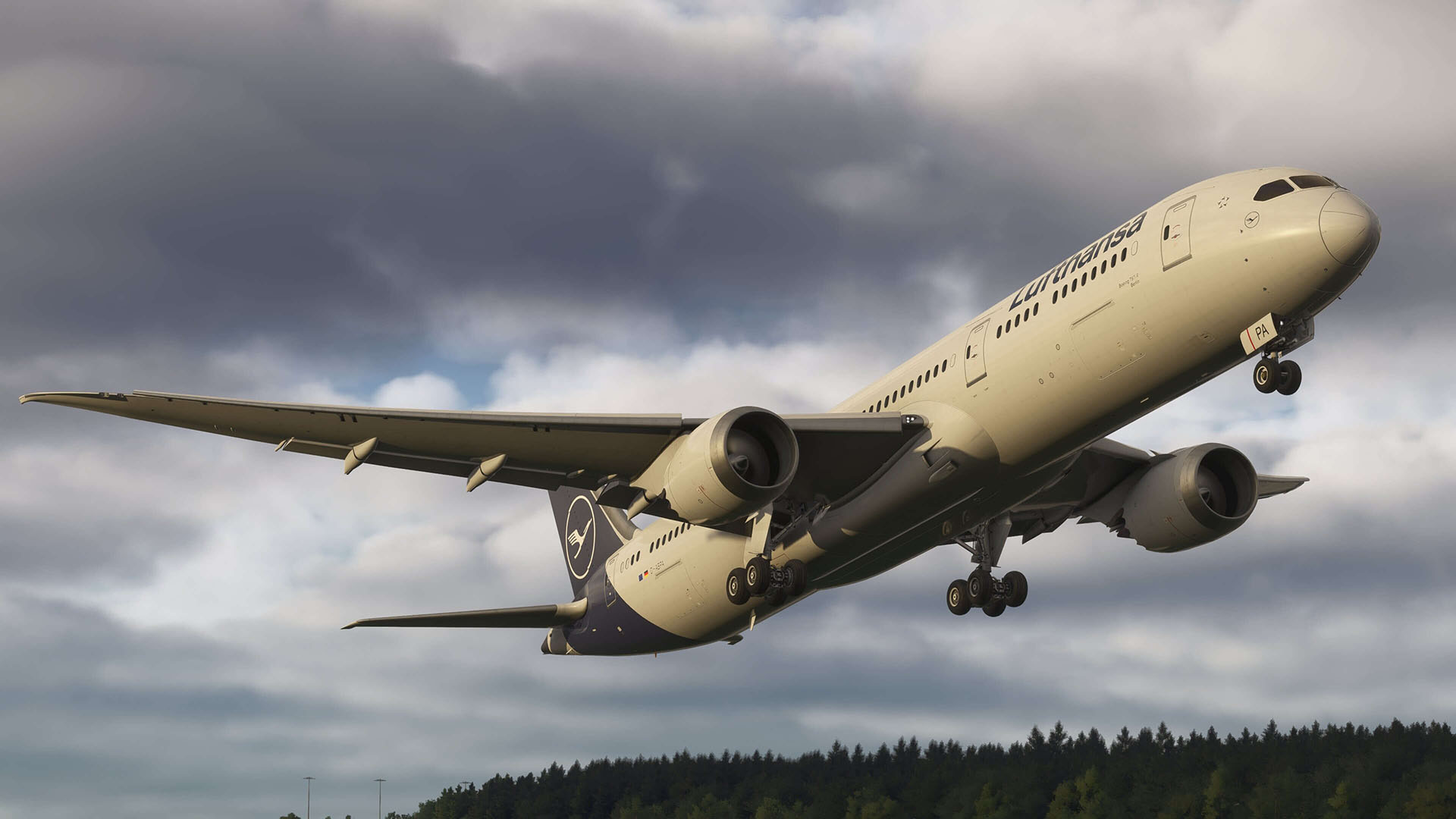
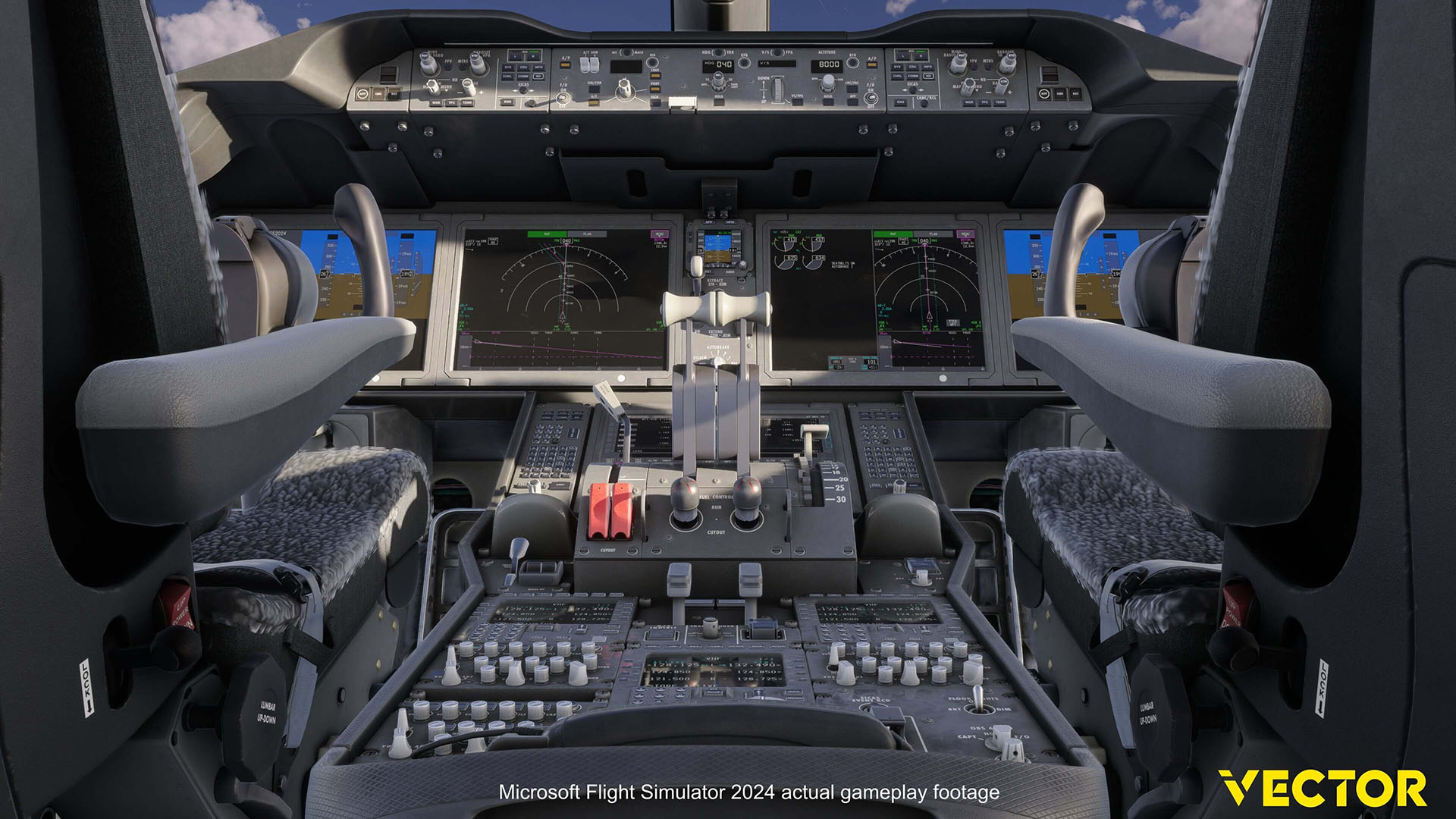


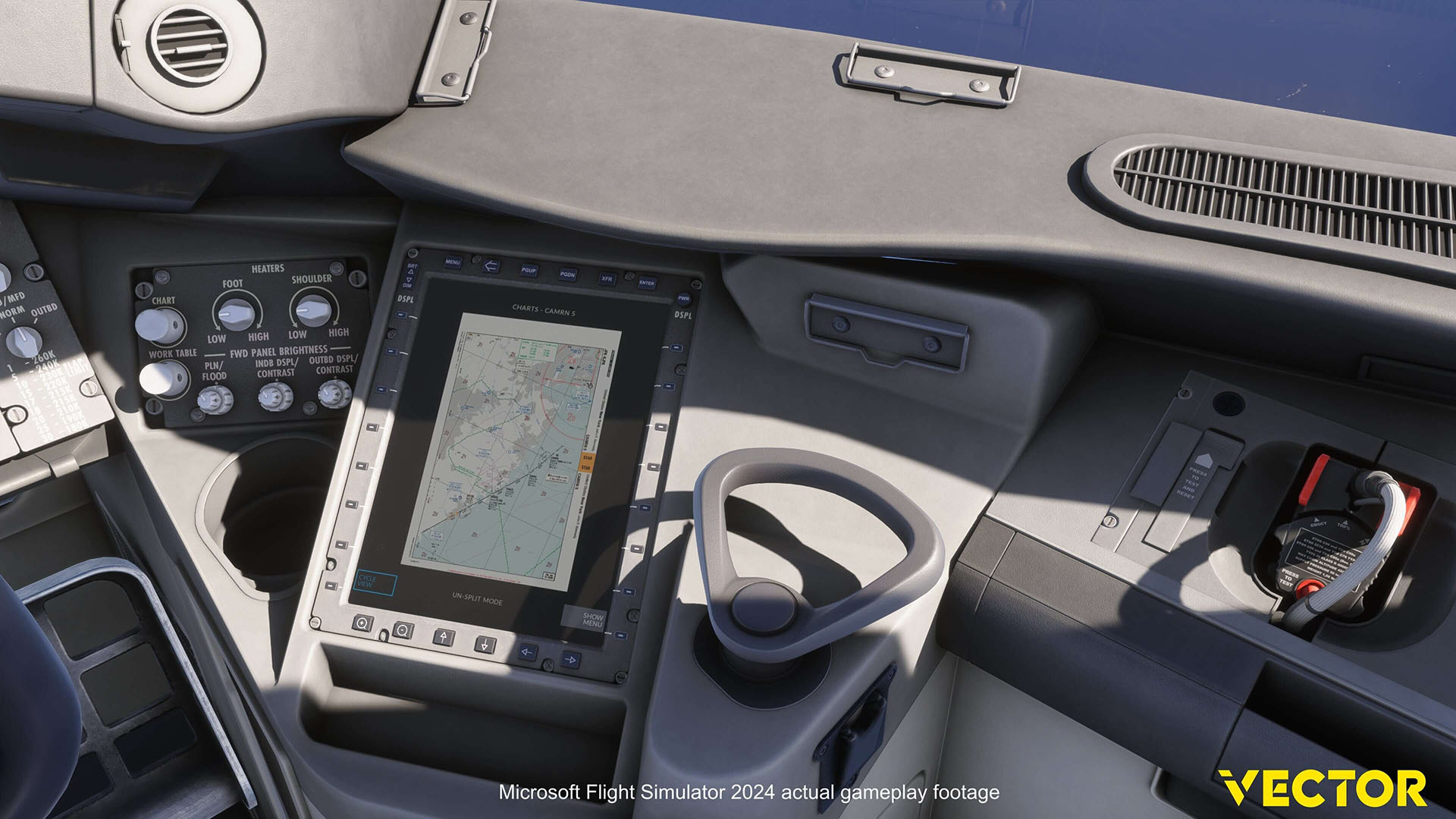

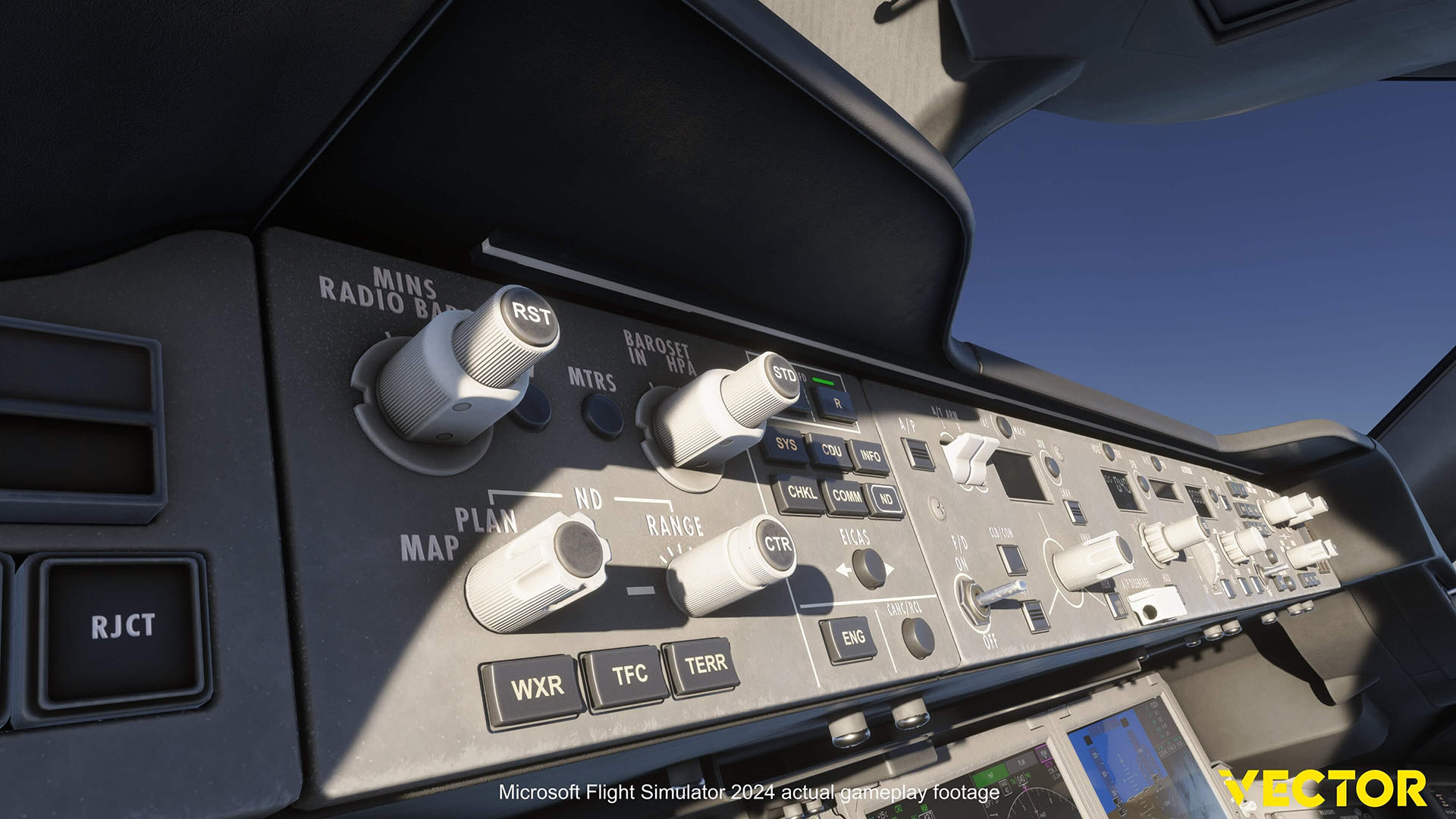
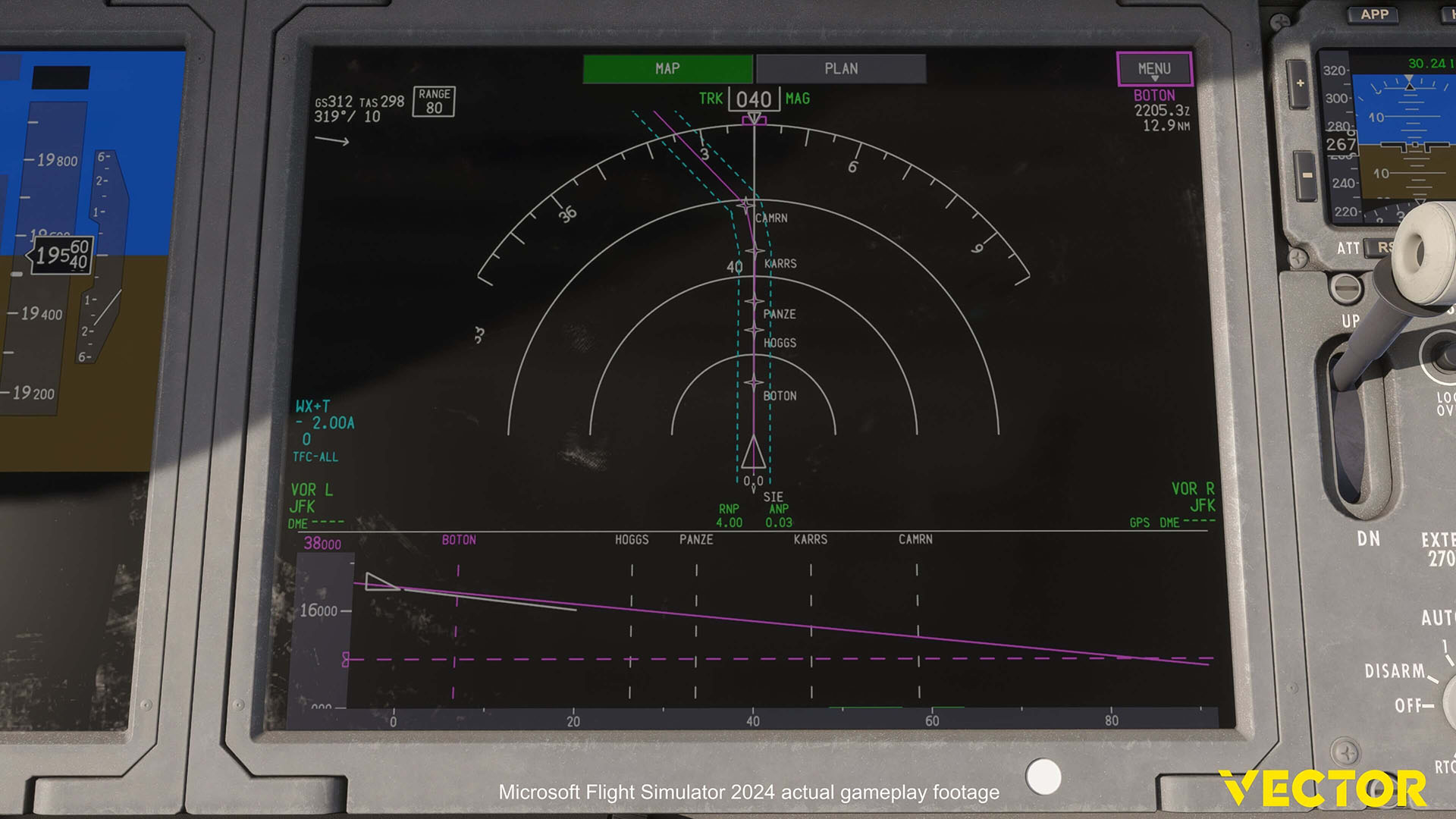
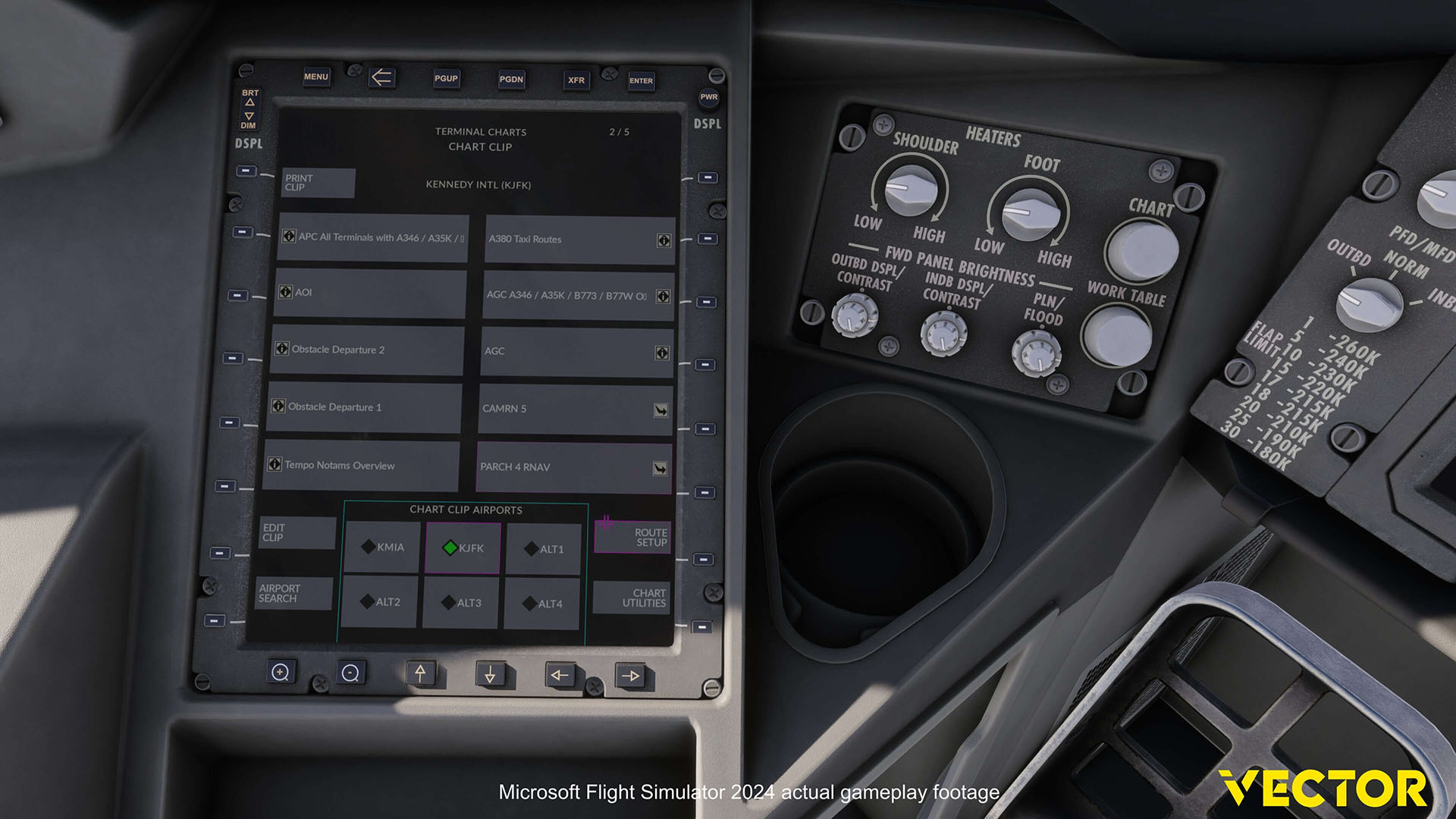
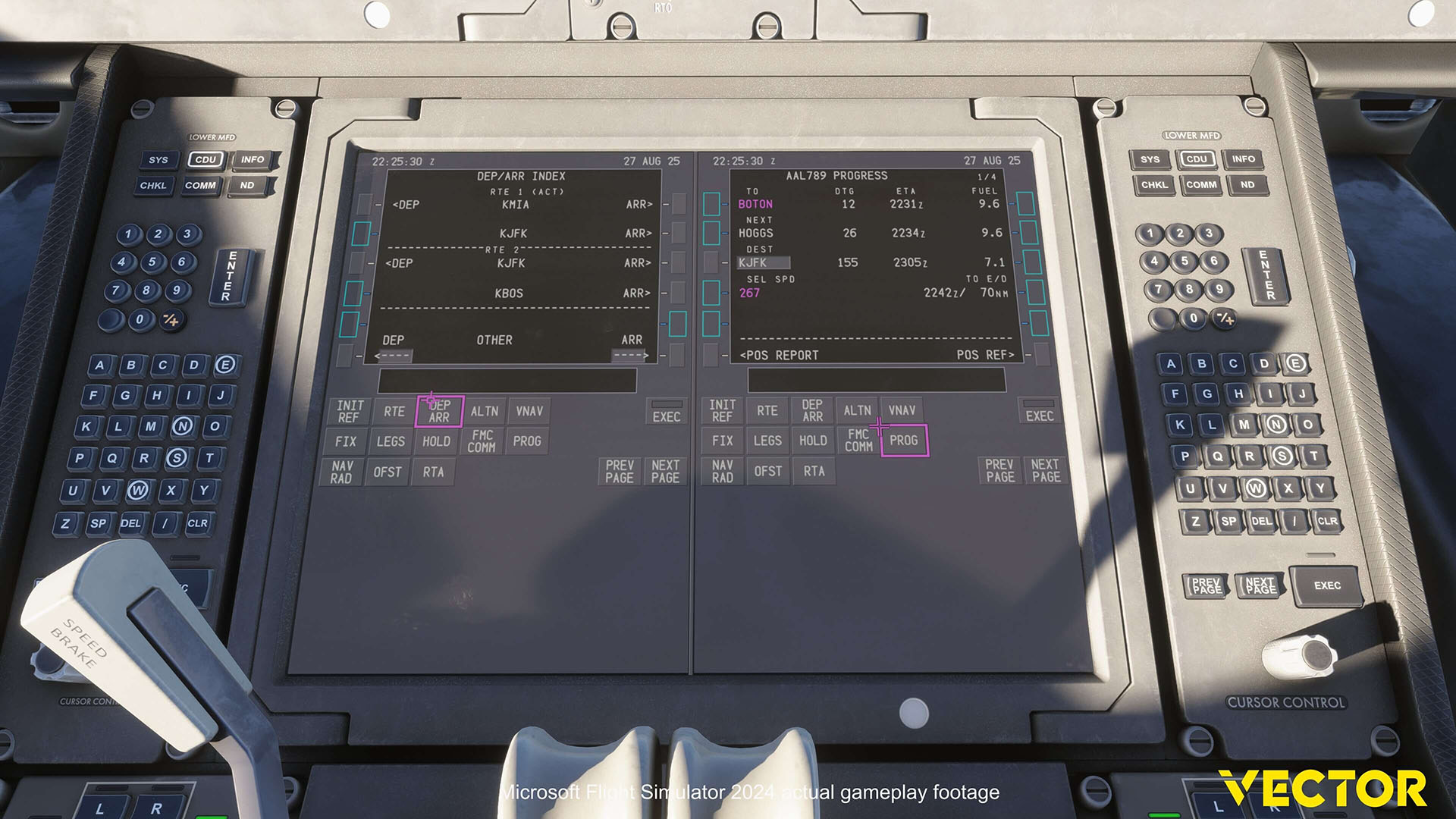
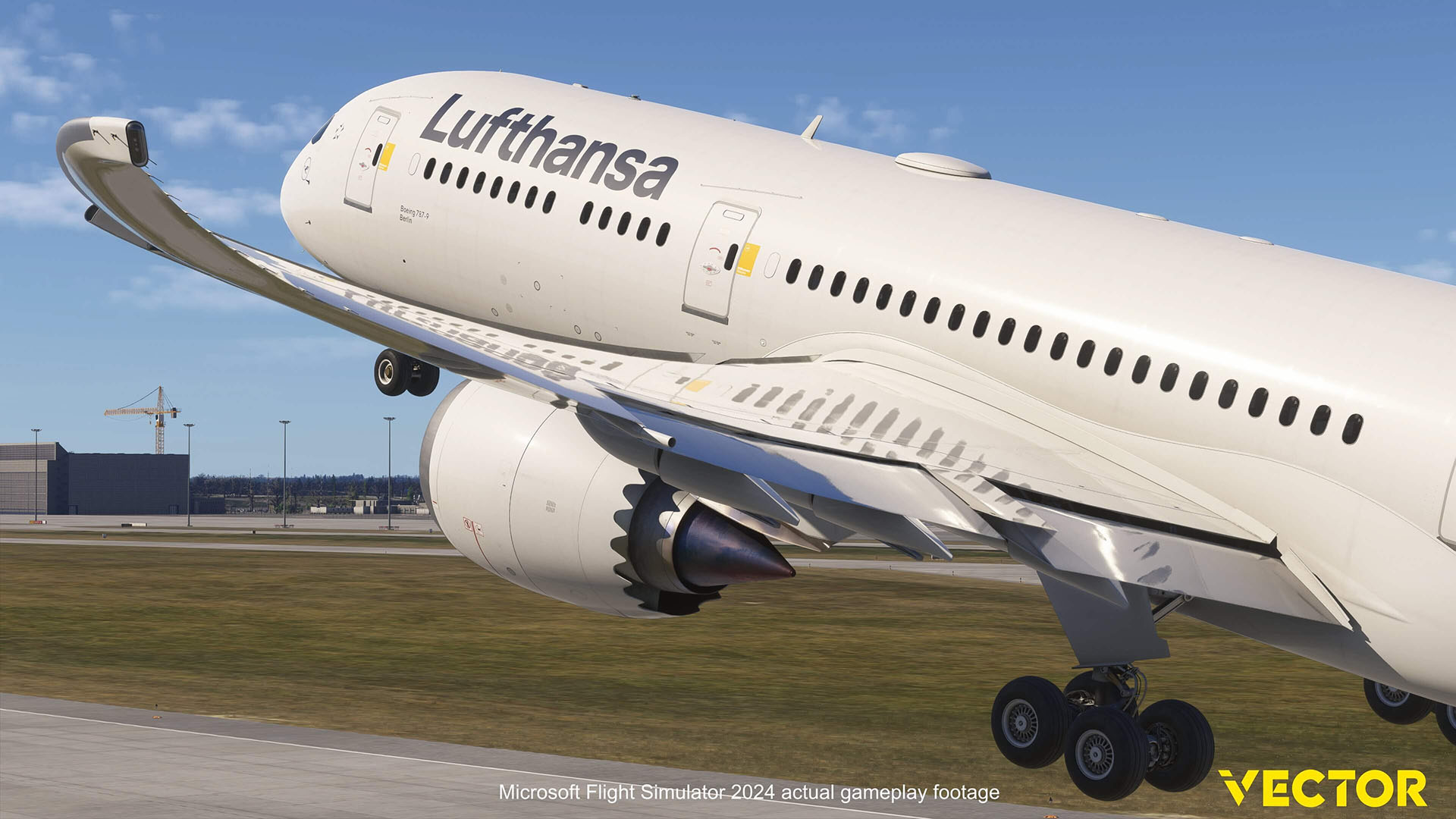
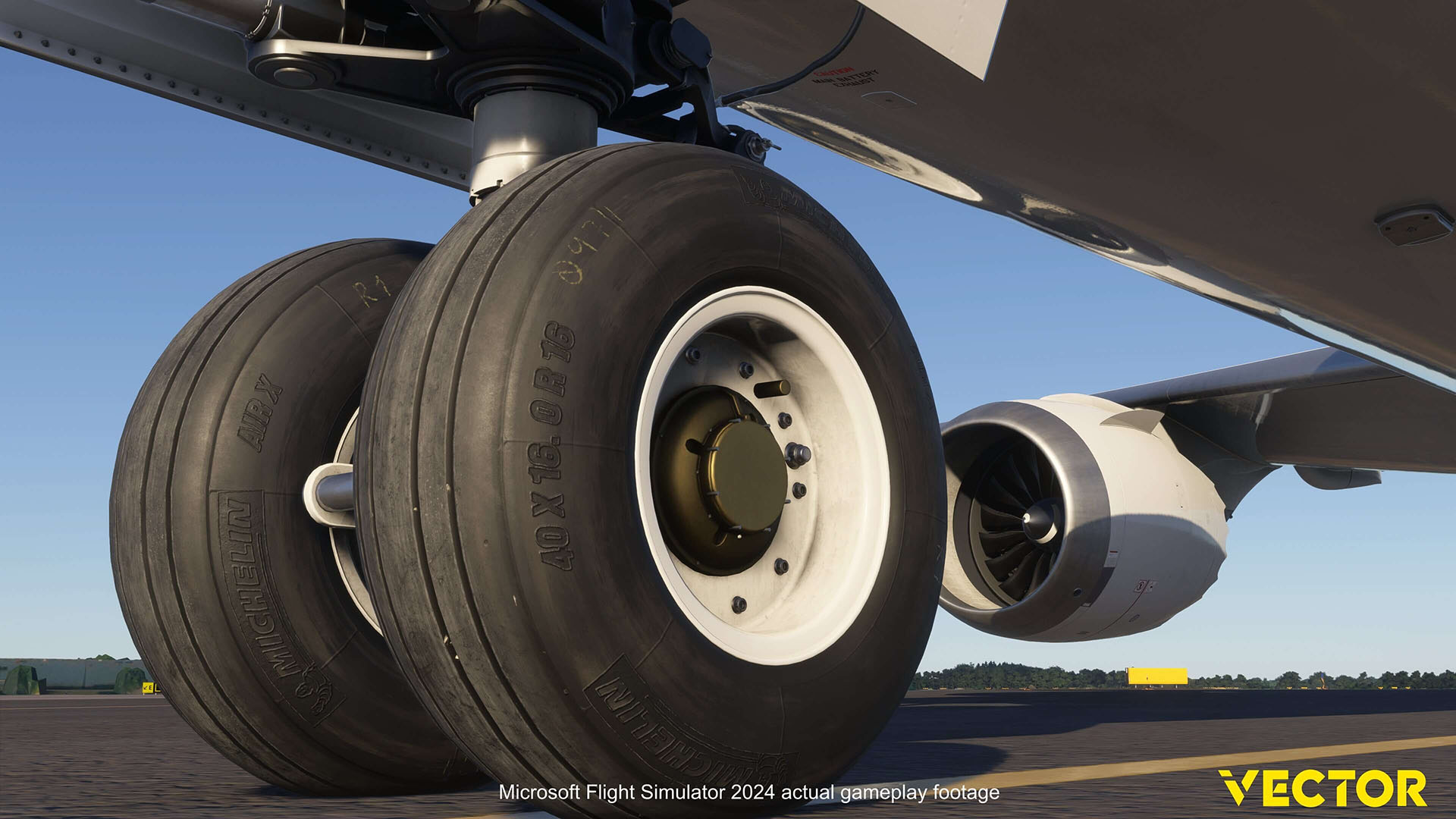


Vector Studio provided an extensive development update with plenty of screenshots about its upcoming Boeing 787 for MSFS 2024, also providing several screenshots that you can enjoy above.
You can also read the full update below. It’s so full of details that summarizing it would not do it justice, especially considering that it’s the first that Vector provides.
The update we’re sharing today marks a very significant milestone for us in the development of the Vector 787-9.
For the first time, we can truly bring together the two core worlds that define this aircraft: deep systems simulation and visual fidelity, alongside all the sub-branches that support and connect these worlds together.
When we first announced the project on 26.2.2026, we knew we were introducing a very different vision for what a 787-9 simulation could be. From day one, our focus was simple: build the aircraft the right way, stay transparent throughout development, and let the aircraft speak for itself.
Just like you, we are simmers too. Some of us have been part of this world for decades, while many members of the actual development team are real-world 787 pilots, 737 pilots, 787 mechanics, aerospace engineers, programmers, and artists deeply connected to aviation and simulation.
Before a single line of code was written, we spent more than six months researching and deeply studying the aircraft, building on the enormous amount of combined real-world and simulation experience within the team itself. We gathered technical material and built on decades of combined real-world aviation and simulation experience across the team itself.
Throughout development, we also gained ongoing access to real 787 aircraft from five airlines around the world, allowing us to inspect, measure, and study countless systems, behaviours, and tiny details with an extreme level of precision.
Our philosophy was simple: not to “fake” systems and not to simply simulate results, but to build the aircraft from the ground up at a true schematic level.
For us, this means systems are not just visual representations or simplified logic running in the background. They are designed to behave, interact, and respond like their real-world counterparts in a way that brings the aircraft to life throughout the entire simulation environment.
Across the aircraft, thousands of monitored parameters and sensor-driven data points continuously feed the wider aircraft environment, from flight controls, engines, hydraulics, electrical, and fuel systems through to landing gear, environmental control systems, navigation, avionics, cabin systems, and aircraft health monitoring.
Take the fuel system, for example. In our aircraft, fuel is not just a number running in the background. Fuel physically (well, virtual physics 😊) flows through pipes, valves, and pumps exactly like it does in the real aircraft. If you close a fuel valve or shut down the engines, the flow may stop, but fuel remains inside the system and the pipes. That affects aircraft behaviour and system logic as well.
The same applies to the hydraulic system, electrical systems, pressures, temperatures, sensors, aircraft automation, and the actual behaviours of the aircraft itself. All of this is visually represented on the synoptic and maintenance pages in real time, just like in the real aircraft.
The 787 is an extremely advanced aircraft, and many actions that pilots manually perform in older aircraft are handled automatically behind the scenes in the Dreamliner. We modelled those behaviours fully and accurately as well, including response times, dependencies between systems, and failures that can occur exactly as they do in the real aircraft.
If you walk over to the cockpit oxygen masks and press the test button, the oxygen quantity inside the aircraft tanks will actually decrease. Keep doing it long enough and the system will eventually no longer be available later in the flight (We’re fairly certain at least one person out there will eventually try exactly that…)
Yes, we are that obsessed with the small details.
Core avionics systems, computers, cabinets, and flight deck logic including the CDU, EFIS, MCP, FMC, TCAS, CPDLC, and many others have all been recreated at schematic level by a team deeply familiar with how these aircraft truly operate in the real world.
The AFDS autopilot system, including LNAV and VNAV, was built entirely from scratch, and we are already deep into extensive fine tuning to ensure the aircraft behaves exactly like the real 787, with all its strengths, characteristics, and limitations.
The FMC has been built entirely from the ground up, featuring the full range of pages, functions, and capabilities expected from a real-world 787, while also replicating the nuances and operational limitations that define the real system. Route management, for example, follows authentic aircraft constraints, including the real-world limit of 149 waypoints per route. Exceed that threshold and the FMC will respond with the familiar “ROUTE FULL” message, leaving no additional room for further waypoint entries.
Boeing’s integrated EFB received the same level of attention, fully researched, mapped, and recreated including system behaviour, loading times, symbology, performance calculators, and additional operational tools exactly like the real EFB in the aircraft.
Want to review airport charts, monitor enroute progress, or operate directly through the integrated Boeing EFB without relying on external subscriptions? You can. Speed conversion, weight conversion, time zone conversion, fuel conversions, scratchpad, stopwatch, calculator, and many other pilot utilities are all available to you.
That said, we also developed our own tablet, which we call the Vpad. We are extremely loyal to the real aircraft and intentionally separated the authentic aircraft systems from the Vpad itself, which is designed to serve as the quality-of-life layer for the simulation experience. As simmers ourselves, we understand the importance of having those options available without compromising realism.
SimBrief integration, Navigraph charts, accelerated refuelling times, accelerated IRS alignment, door options, jetway connection, lighting options, GSE services, aircraft loading states, and much more are all available through the Vpad. We’ll dive deeper into that in a future Spotlight.
The checklist system, consisting of around 700 pages, was mapped with an extraordinary level of attention to detail, to the point where several real-world 787 pilots and team members involved throughout development told it could genuinely serve as a strong training tool for real simulator sessions.
Even the way systems load and appear on the displays matches the behaviour of the real aircraft. Push the battery switch and connect ground power, then expect several minutes before the aircraft fully comes alive. A perfect time to begin your exterior walk-around.
On the visual side, we also left no corner untouched. From the way aircraft doors close and report to onboard systems, to cargo and passenger compartments, natural dirt and wear, realistic usage marks, and the unique electronic dimmable window system of the 787, every area of the aircraft was built with the same philosophy and obsession for detail.
Our presenter for today’s Spotlight, for the exteriors, is Lufthansa Boeing 787-9 D-ABPA.
The flight model itself was built entirely from scratch to make the aircraft feel exactly like a modern heavy widebody should. You will feel its weight during taxi, take-off, in flight, and especially during landing.
The aircraft will not “slide” across the runway, but instead behave with the true presence and mass real 787 pilots expect to feel.
One of the most iconic characteristics of the 787 is its composite wing structure wing flex, giving the aircraft one of the most distinctive silhouettes in modern aviation and here too we built a full physical simulation system from scratch to accurately model wing behaviour and flexibility based on speed, loads, weather conditions, and aircraft movement.
But perhaps the most important sentence in this entire post is this one:
Everything we are showing here already exists, is already developed, and is already working. There will be NO “planned features,” no “coming later,” and no placeholders. Upon release the aircraft is complete from end to end.
Now let’s get into the scenario we are showing today: a ferry flight from Miami (KMIA) to New York (KJFK) with KBOS as an alternate airport.
You join us toward the end of our flight on approach into KJFK via the iconic CAMRN arrival into New York, with the Navigation Displays presenting both lateral (LNAV) and vertical (VNAV) profile information as the aircraft progresses toward one of the world’s most recognizable approaches. If you look closely you can see the terrain profile lines on the VSD, even though it’s fairly flat out here and we are zoomed out to 80nm.
Everything shown across the flight deck is driven by live aircraft data in real time across the network. The NDs are not isolated visual displays, but part of a fully interconnected aircraft environment continuously reacting to aircraft state, navigation inputs, and flight management logic.
Every phase of the arrival is actively calculated and updated as the aircraft progresses through its flight profile into JFK.
Let’s check our approach into JFK on the EFB Terminal Charts page. We already configured our departure from Miami and arrival into New York, and selected KJFK for our charts. We’re currently on page 2 of 5 and reviewing the CAMRN 5 arrival. Everything is looking good.
With some thunderstorms in the New York area, it’s starting to slow arrivals. We’re carrying plenty of contingency fuel, however we’ve set up the diversion route to KBOS, our alternative airport, in Route 2 in case the weather gets worse. You can see on the DEP/ARR page both routes are entered and ready to be activated if we decide to divert. You can see that Route 2 has already been configured by the First Officer and is ready for activation, including origin, destination, predicted STAR, routing, and legs.
Once ready, we simply press Activate and Execute, and Route 2 immediately becomes the active flight plan, with all ND symbology updating dynamically in real time.
Of course, we couldn’t leave you with cockpit shots alone.
From rotation and climb-out through to close-up structural detailing, these exterior screenshots continue to showcase the scale, flexibility, and physical presence of the 787 throughout flight.
As mentioned earlier, the 787’s distinctive composite wing profile and flex characteristics remain one of the defining visual signatures of the aircraft. Across each departure sequence, the wing structure progressively unloads and flexes dynamically as lift increases through rotation and climb.
Alongside the wider aircraft profile, close-up detailing across the landing gear, wheel assemblies, engine surfaces, and tail structure continues to evolve throughout the aircraft exterior. From material variation and weathering through to mechanical structure and surface layering, every area was designed to contribute toward a more authentic long-haul aircraft environment.”
The developer concludes by mentioning that the target is still to release the aircraft toward the end of 2026, with development progressing “exactly according to plan.”
Atlanta Airport for Microsoft Flight Simulator 2024 Gets New Trailer
Orbx released a new trailer for the upcoming Hartsfield–Jackson Atlanta International Airport (KATL) in the United States for MSFS 2024.
The last information we had involved a release this month, so unless plans change, it should come really soon.
Airbus A340-600 by Aerosoft and Toliss for MSFS Teases Upcoming Updates


Aerosoft announced on its Discord server that an upcoming update currently in testing will restore the Airbus A340-600‘s Taxi Camera on MSFS 2024, which was broken by Sim Update 5.
The aircraft will also move to a native MSFS2024 modular simobject structure and feature a custom turbulence model that users will be able to configure.
The patch should be ready to ship soon if all goes to plan, and a new 3D model will follow in a future update.
Korea: IL-2 Series Showcases Museum Mode
1C Game Studios released a new video of its upcoming Korea: IL-2 Series.
Specifically, we take a look at the Museum Mode, which will let you enjoy all the units included in the simulator and their 3D models, across air, land, and sea.
If you’d like to read more flight simulation news, you can find plenty in our previous roundup article from yesterday.
If you want to go further back, we have a handy overview video of the major flight simulation news in the past week. You can watch it below. As usual, leaving a like and a comment and subscribing to our growing YouTube channel is extremely helpful.
While Simulation Daily is owned and financed by Orbx Simulation Systems, its staff is afforded full editorial independence and will strive to cover products from all companies and developers impartially. Check out our editorial policy.