Today, Frontier Developments shared a behind-the-scenes look at Planet Zoo 2, offering new details on the sequel’s features.
The latest Dev Diary highlights the new aquarium system and the technology behind fully aquatic animals, addressing one of the community’s most requested features.
Fish, turtles, and marine mammals have been at the top of player wish lists, but their addition required new systems for movement, behavior, and habitat management. Aquatic species move through fully three-dimensional environments, leading the team to redesign AI and navigation specifically for aquarium habitats.
The research process for aquatic animals in Planet Zoo 2 relied on fishing industry data, since ocean ecosystems are harder to study than land environments. Species were chosen with conservation and modern zoo husbandry in mind to ensure suitability for aquarium habitats.


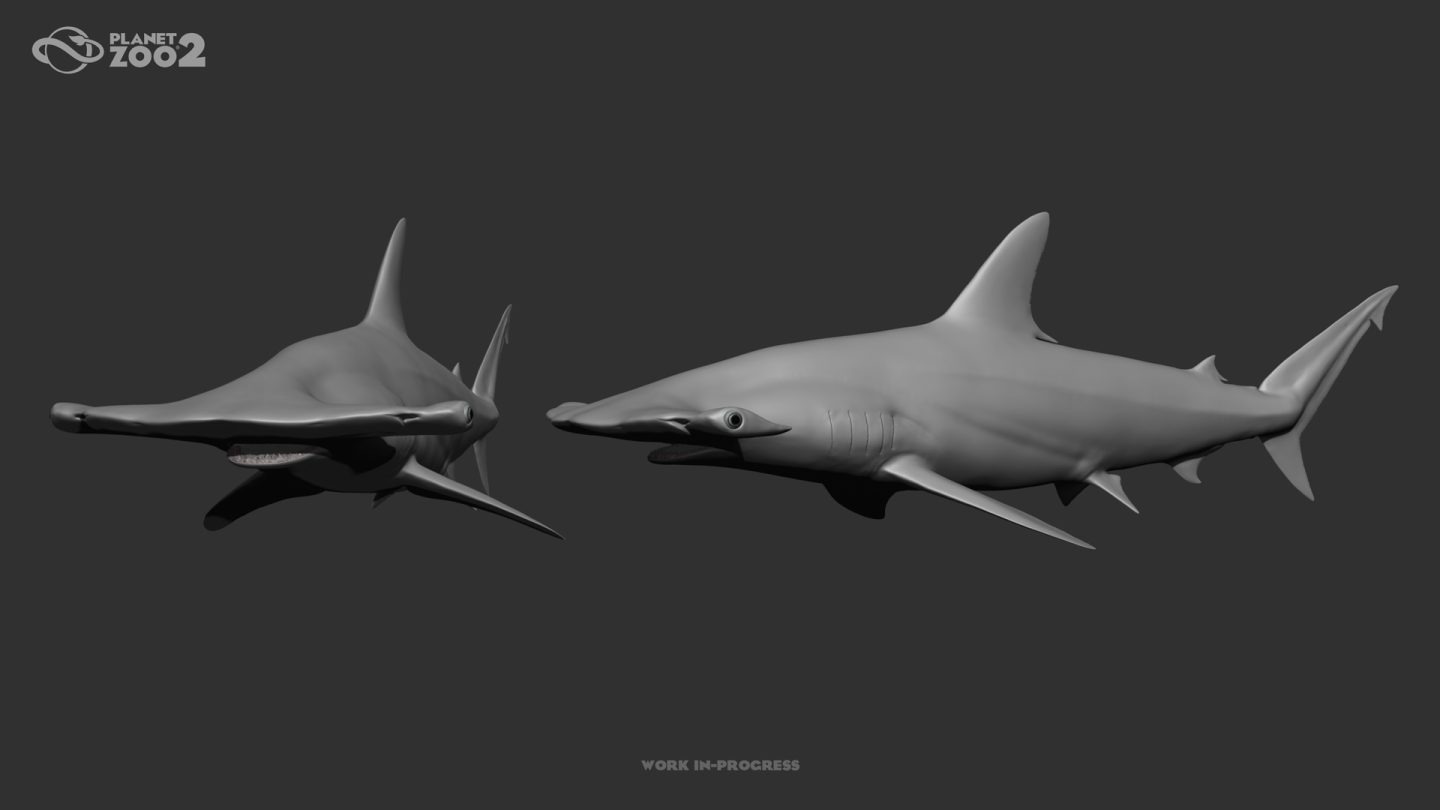
Movement was a major development challenge, and aquatic animals now have preferred swimming depths based on real-world behavior. Blacktip reef sharks, for example, swim near the surface, while great hammerhead sharks stay at deeper levels in the aquarium.
Developers built new navigation systems so aquatic animals can move naturally around the seafloor, rocks, coral, and enrichment objects.
Testing animal behavior overnight revealed another challenge: fish kept swimming nonstop after dark. Developers added a new hover state, letting many species drift slowly during rest. Species that rest on the seafloor also use the new underwater navigation system.
To recreate schools of fish without impacting performance, Planet Zoo 2 introduces shoals that act as a single managed entity instead of simulating hundreds of individual animals. The system uses boid behavior to create realistic schooling movements while reducing computational load.
Shoals react dynamically to their environment, tightening together and swimming faster when predators approach, or moving aside for larger aquatic animals and staff divers. Larger marine animals use individual behavior systems similar to terrestrial species.
For example, blacktip reef sharks, which must keep swimming to breathe, initially moved erratically in aquariums. After studying real aquarium design, developers added a new pathing system that encourages sharks to follow aquarium walls, replicating the real-world behavior called window surfing.
Other large species, such as sunfish, also follow the edges of aquariums at times, giving guests better viewing opportunities. Aquatic animals share many welfare requirements with land animals, such as nutrition, stress, and space, but also introduce new aquarium-specific management systems.
Players must maintain water filtration networks and monitor salinity, temperature, and cleanliness to keep marine animals healthy. Keepers can deploy free-floating underwater feeders if players do not place dedicated feeding stations. Some species can also forage from aquatic plants.
Aquarium construction also emphasizes vertical design rather than the wide layouts commonly used for terrestrial habitats. This will challenge players to create deep environments that meet animal welfare needs while offering clear viewing opportunities for guests.
Planet Zoo 2 is scheduled to launch in October for PC (Steam), PlayStation 5, and Xbox Series X|S, with preorders now available. The new Planet Zoo title will have several new features compared to the first title, including safari animals and habitats, as well as flying animals and the habitats to house them.