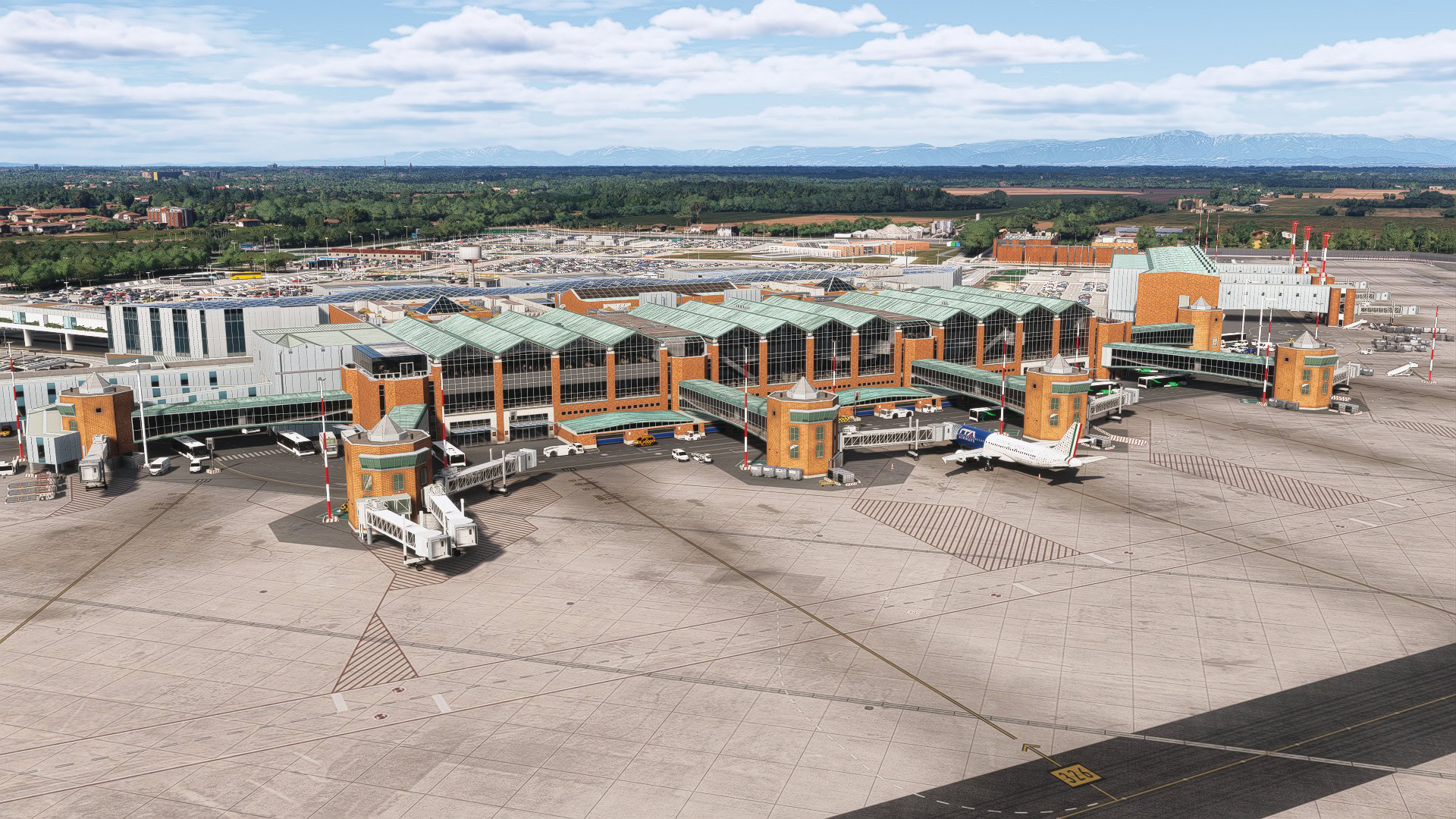
Flight simulation developers shared news today, including scenery and aircraft for Microsoft Flight Simulator 2024, MSFS 2020, and DCS World.
Simulation Daily publishes a roundup every day of all the news across the flight simulation field, helping you keep up to date with the ins and outs of the industry.
Before we move on to the flight simulation news, make sure to check out today’s episode of our “Can You Guess this Airport?” video series. Below, you can also find a flight simulation story that received its own individual coverage.
Without further ado, I leave you with today’s flight simulation news.
Hong Kong City Times 2026 Update Gets New Screenshots



SamScene3D released a few screenshots of a big update coming for its Hong Kong City Times scenery.
You can check it out in the gallery above.
Airbus A380 for MSFS 2024 Gets New Screenshots
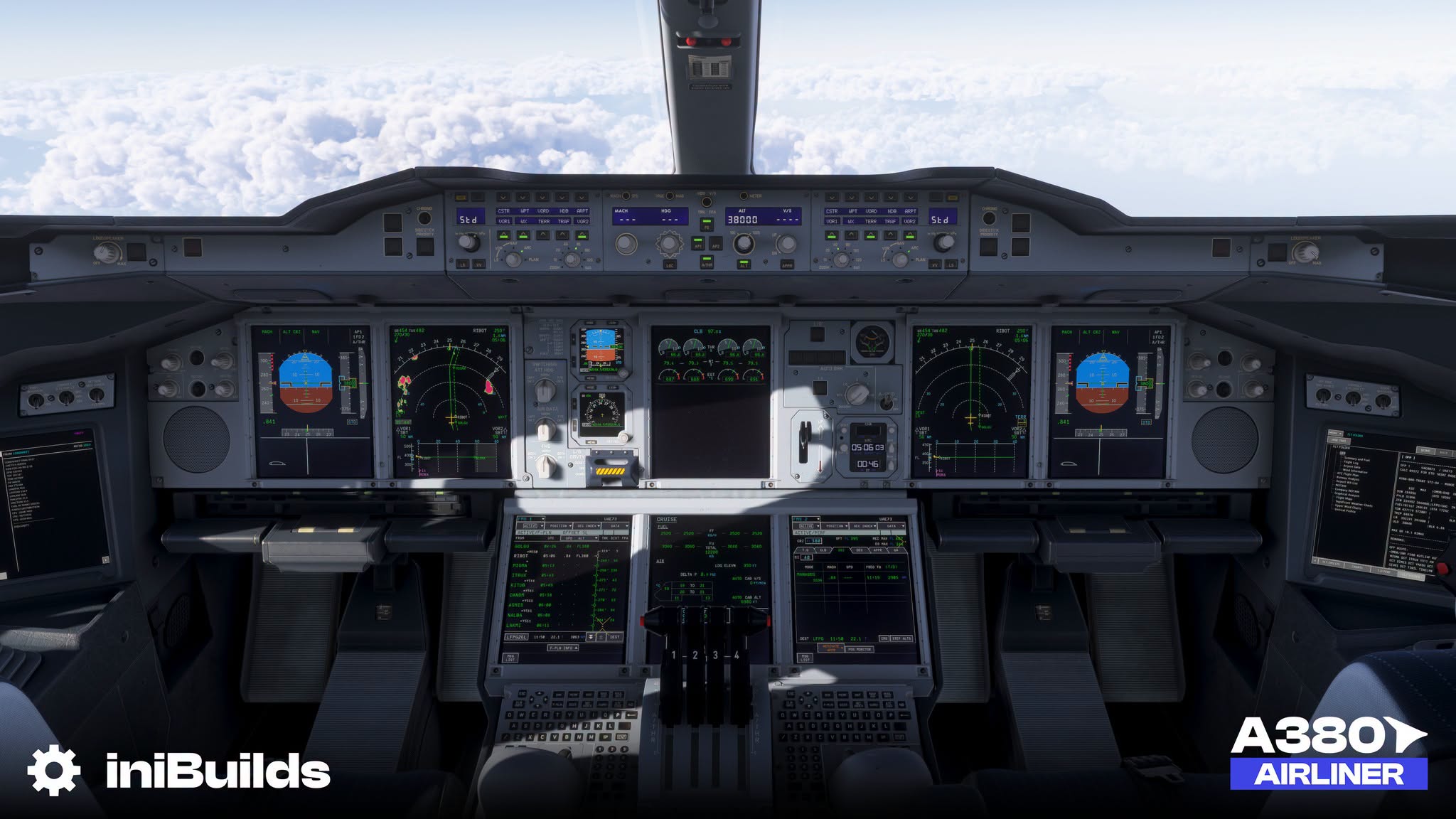

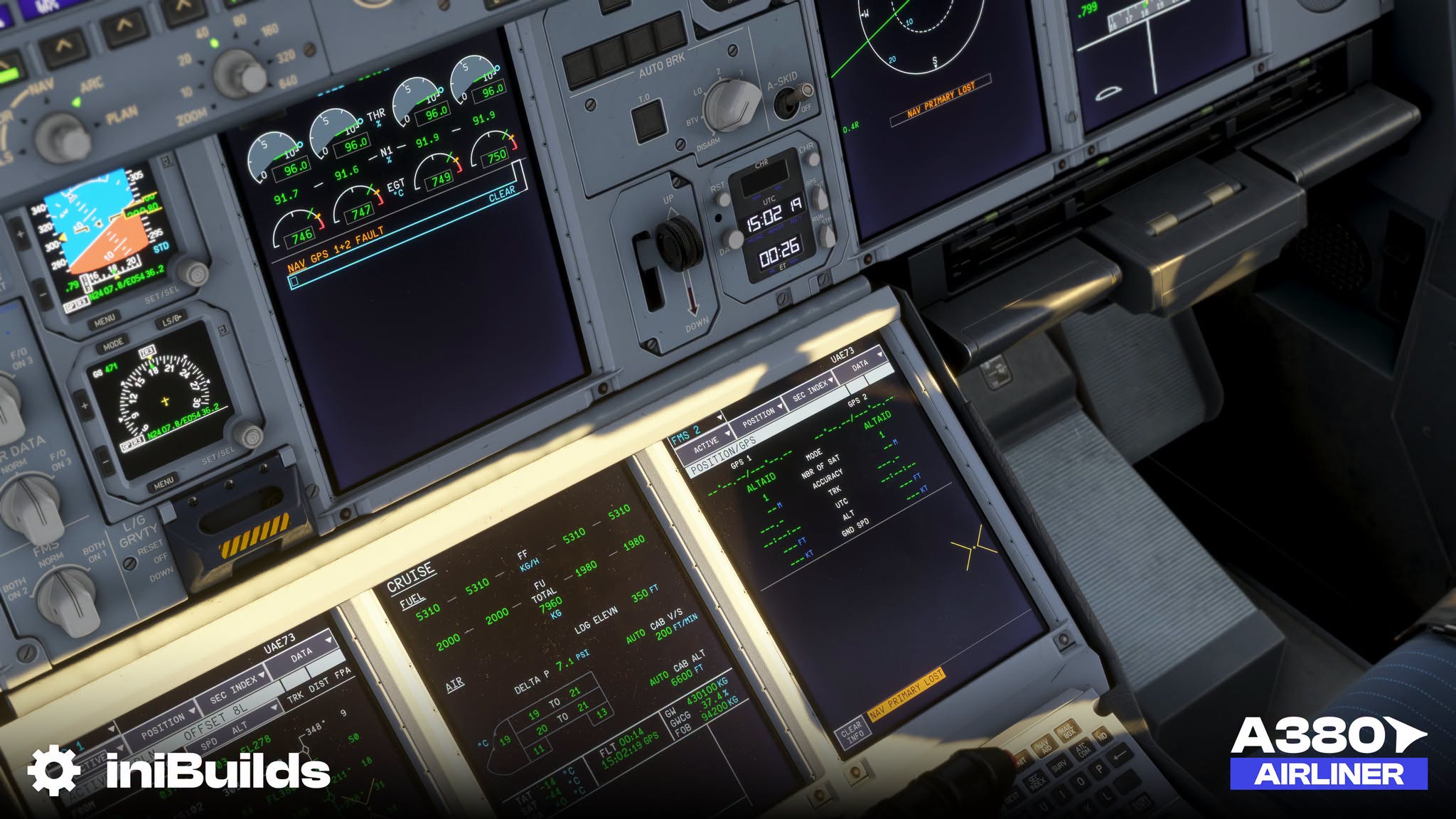

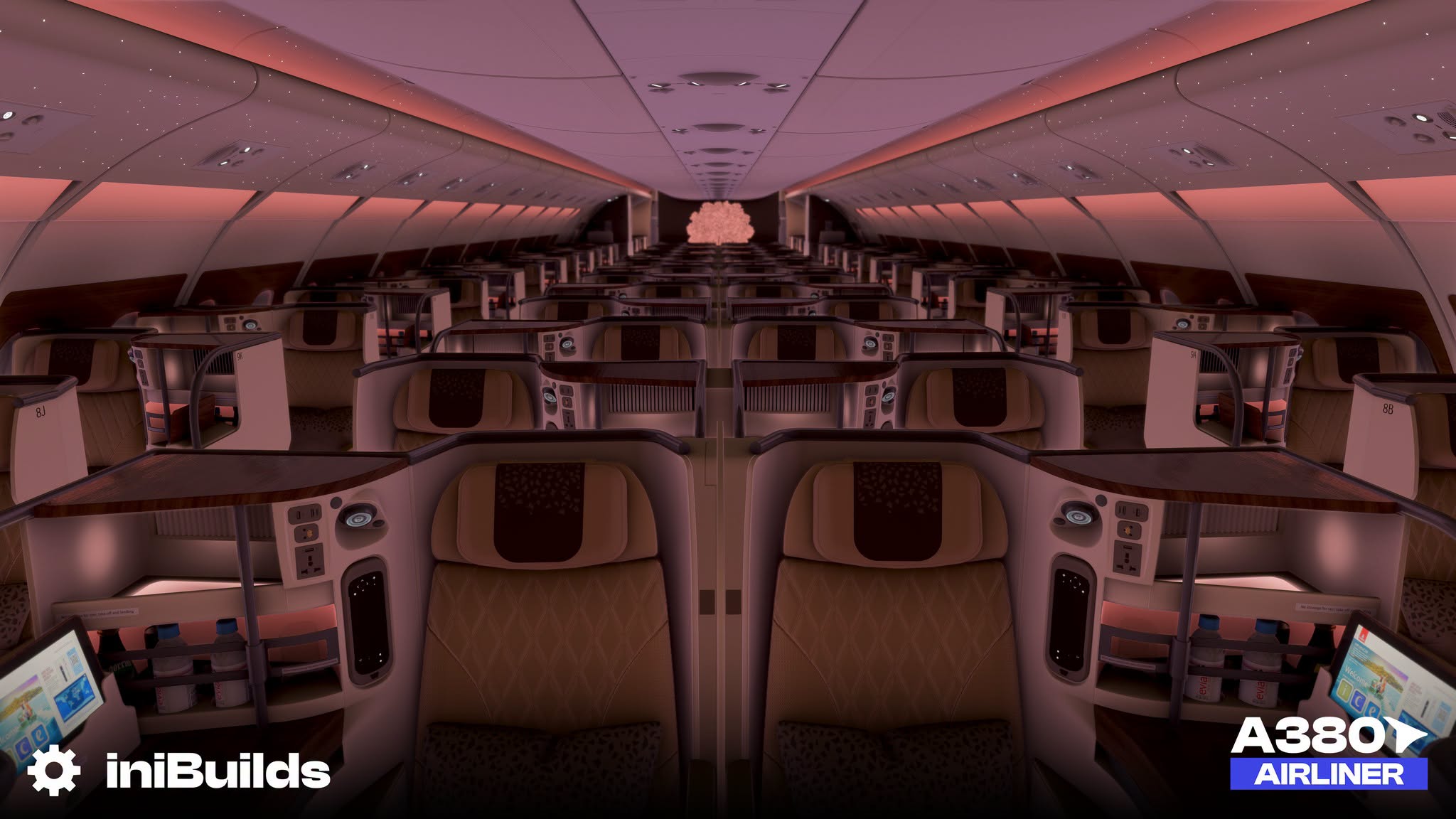


iniBuilds provided a new gallery of screenshots of the Airbus A380, showing the flight deck, its systems, and the cabin lighting.
You can check it out above.
El Hierro Airport Released for MSFS 2024
We stay with iniBuilds, which released El Hierro Airport (GCHI) in the Canary Islands for MSFS 2024.
It’s available on the developer’s store for $13.5. It includes the following features.
- Hand-made ground textures with, bespoke texture sets for runways, aprons, paths, and roads
- Custom ground textures
- High Quality Buildings Interiors
- Detailed recreation of landside area with custom models
- Modeled and positioned dynamic airport lighting for enhanced realism
- Custom Taxiway Signs
- High-quality, optimized textures
- Custom models of surrounding buildings
- Hand crafted terminals with crisp textures providing a fresh, modern appearance
Fiat G.91R for DCS World Gets Development Update

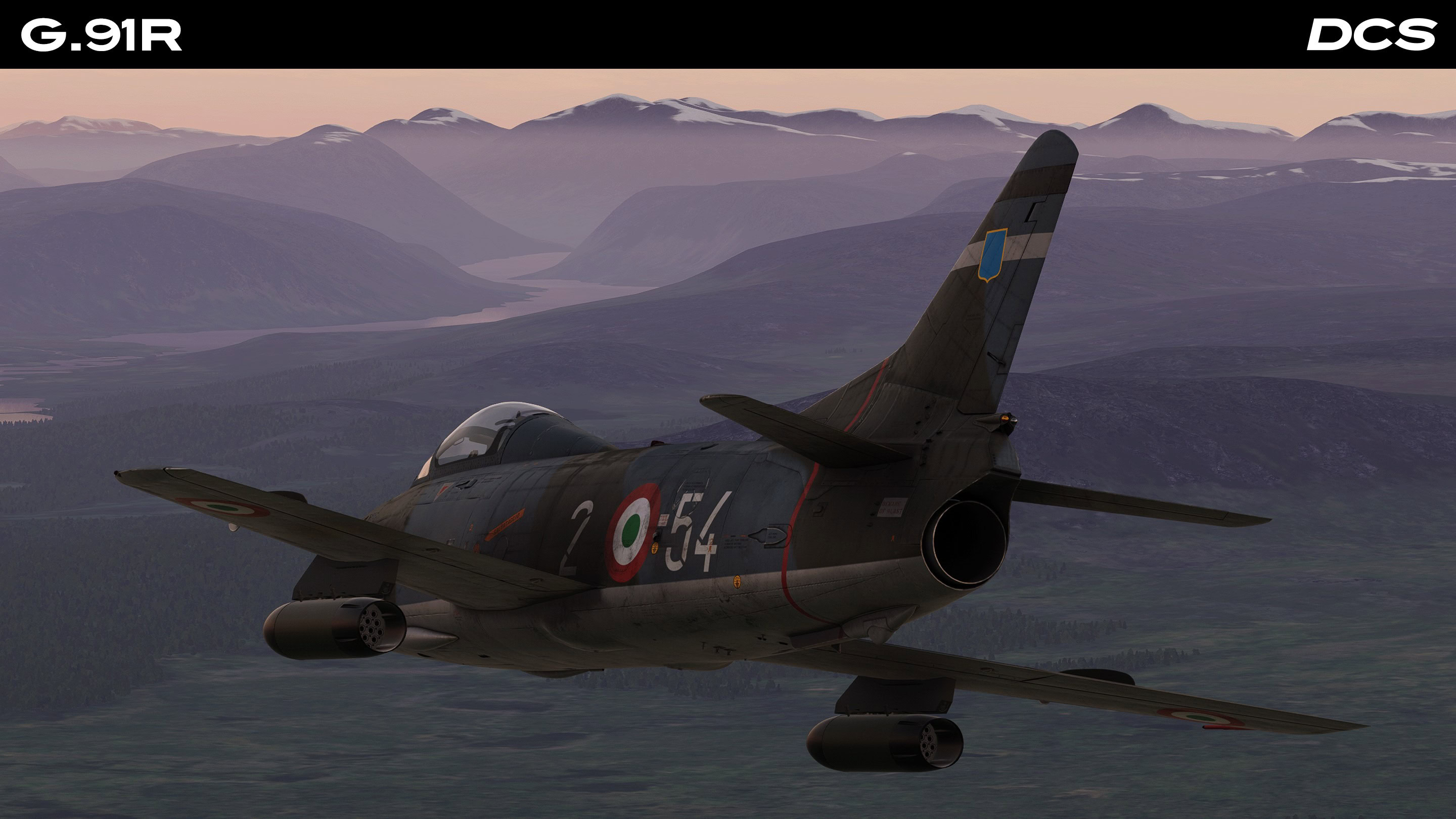
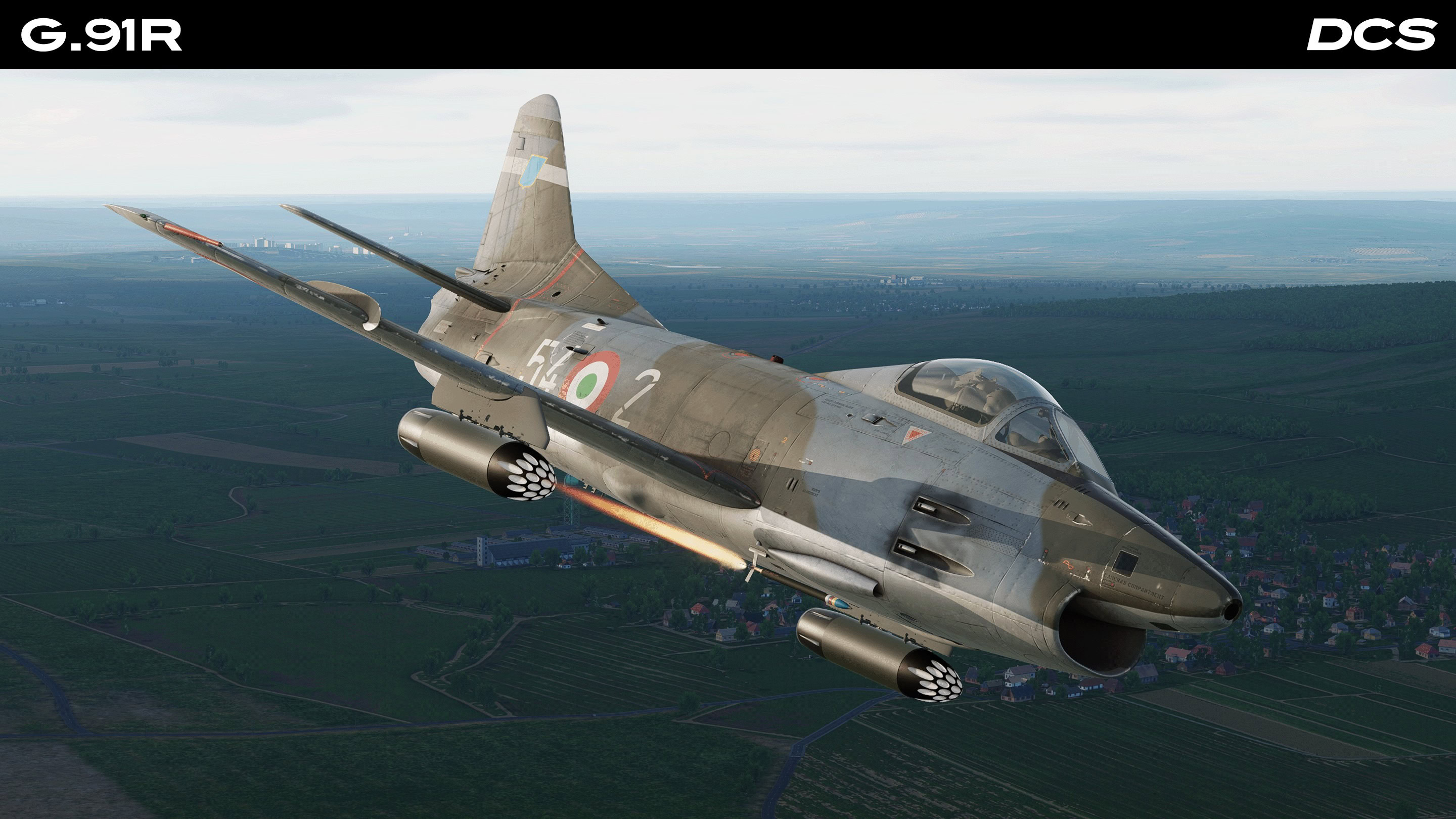
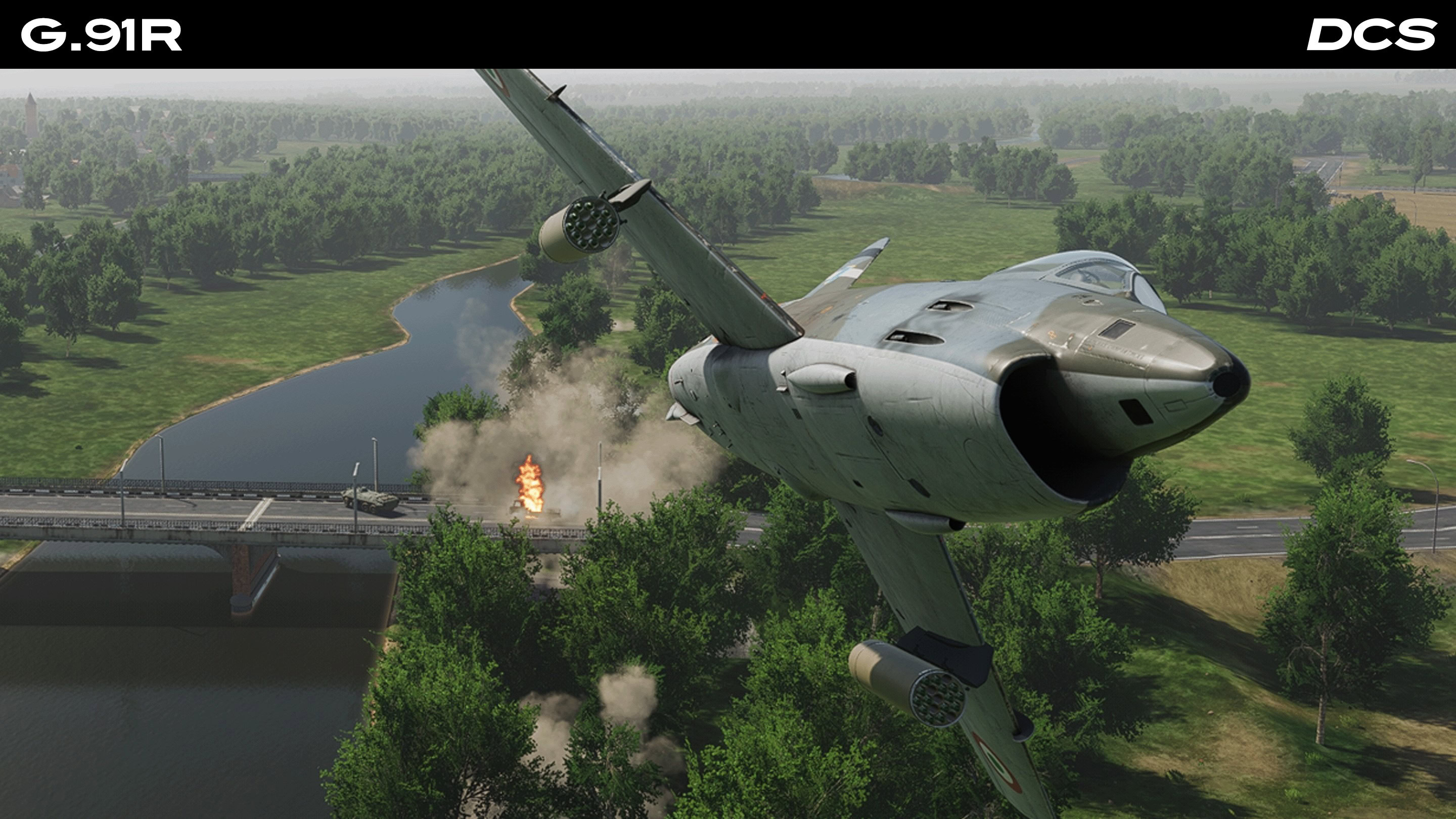
IndiaFoxtExcho released a development update of its Fiat G.91R jet fighter.
Flight Model
The DCS: G.91R features a fully custom External Flight Model built around the aircraft’s individual aerodynamic surfaces. Wings, tail, fuselage, flaps, landing gear and airbrakes all contribute independently to the forces acting on the aircraft. This allows configuration changes, asymmetric loads and local damage to affect handling naturally.
The model includes progressive stall behaviour, wing drop, autorotation, spin tendencies, ground effect and transonic changes. Control effectiveness and aerodynamic damping evolve with speed and airflow, helping the aircraft feel light and agile without becoming artificial or predictable.
The result is a jet that communicates with the pilot. It rewards smooth flying, but it can also become demanding when pushed beyond its limits.
Orpheus Engine and JATO
The Bristol Siddeley Orpheus simulation has continued to mature. Engine response is influenced by altitude, airspeed, inlet conditions and pilot handling. RPM and Jet Pipe Temperature evolve progressively, while aggressive manoeuvres or poor inlet conditions can produce compressor disturbances, surges and flameouts. Abnormal operation is also transmitted through cockpit vibration, giving the pilot physical feedback before the instruments tell the whole story.
The G.91R/1B now includes a complete four-rocket JATO installation. The system has its own electrical controls, READY indication, ignition sequence, cockpit vibration and jettison logic. Each rocket contributes thrust from its actual location and orientation on the aircraft. Lighting four JATO rockets beneath a small tactical jet makes for one of the most dramatic experiences currently available in the module—and certainly one of the loudest.
Aircraft Systems
IndiaFoxtEcho Visual Simulations has also made major progress on the electrical, hydraulic, and fuel systems. Cockpit controls are connected to the systems they operate rather than acting as isolated animation triggers. Electrical buses, switches, relays and circuit protection determine whether equipment is genuinely available.
The hydraulic simulation now supports flight-control servos, landing gear, flaps, wheel brakes, emergency braking and accumulator-powered emergency functions. Loss of electrical power does not necessarily prevent a mechanical control from moving, but it may prevent the associated system from responding.
The fuel system now models the main tanks, pumps, transfer paths and supply logic, allowing fuel delivery to the engine to depend on the actual state and configuration of the system rather than on a simple global fuel quantity.
Normal and emergency operation are therefore becoming meaningful parts of flying the aircraft, rather than simple scripted events. Cockpit instrumentation has expanded alongside these systems, including engine, trim, flap, airbrake, hydraulic-pressure, fuel and flight-condition indications. Cold-and-dark and hot-start configurations also establish the aircraft’s appropriate initial state.
Weapons with Period Personality
Weapon development has concentrated heavily on the G.91R/1B, currently the most complete test platform. Its internal guns, bombs, podded rockets and externally mounted rockets follow their dedicated cockpit circuits, selectors and release sequences. Bombs can be released individually or together, while rocket firing supports single, automatic and grouped modes with correct left-right sequencing.
Ground firing is inhibited by the landing-gear microswitch, while selective, salvo and emergency jettison functions follow their own operating rules.
The Nord AS-20 adds an entirely different kind of challenge. This early manually guided missile requires the pilot to launch, visually track and steer the weapon all the way to the target. It is demanding, unconventional and extremely satisfying when everything comes together. The R/4 also retains its dedicated Sidewinder capability, while the PAN, R/1B, R/3 and R/4 continue to receive separate equipment and system configurations appropriate to each version.
Structural Damage
The structural damage model has progressed from preparation into active integration. Instead of relying only on generic damage thresholds, the aircraft tracks loads acting on important parts of the airframe. High-G manoeuvres, asymmetric stores, excessive speed with flaps extended and battle damage can progressively reduce structural integrity. Damage can therefore influence the aircraft before complete failure occurs. A damaged wing or control surface may change the way the aircraft flies, forcing the pilot to adapt and carefully bring the jet home.
What Comes Next
The next stage of development by IndiaFoxtEcho Visual Simulations will focus on the PHI navigation system and ADF, while further expanding the pressurization and oxygen systems. Development of the damage model will also continue, extending beyond the aircraft structure to progressively include the surrounding systems and their interactions.
The G.91 is becoming much more than a small vintage fighter. It is shaping into a lively, hands-on tactical aircraft with guns, rockets, manually guided missiles, emergency systems—and four JATO rockets waiting beneath the fuselage.
If you’d like to read more flight simulation news, you can find plenty in our previous roundup article from yesterday.
If you want to go further back, we have a handy overview video of the major flight simulation news in the past week. You can watch it below. As usual, leaving a like and a comment and subscribing to our growing YouTube channel is extremely helpful.
While Simulation Daily is owned and financed by Orbx Simulation Systems, its staff is afforded full editorial independence and will strive to cover products from all companies and developers impartially. Check out our editorial policy.