Boeing 787 by Vector for MSFS 2024 Will Be Content Complete Next Week; External Beta Coming Soon



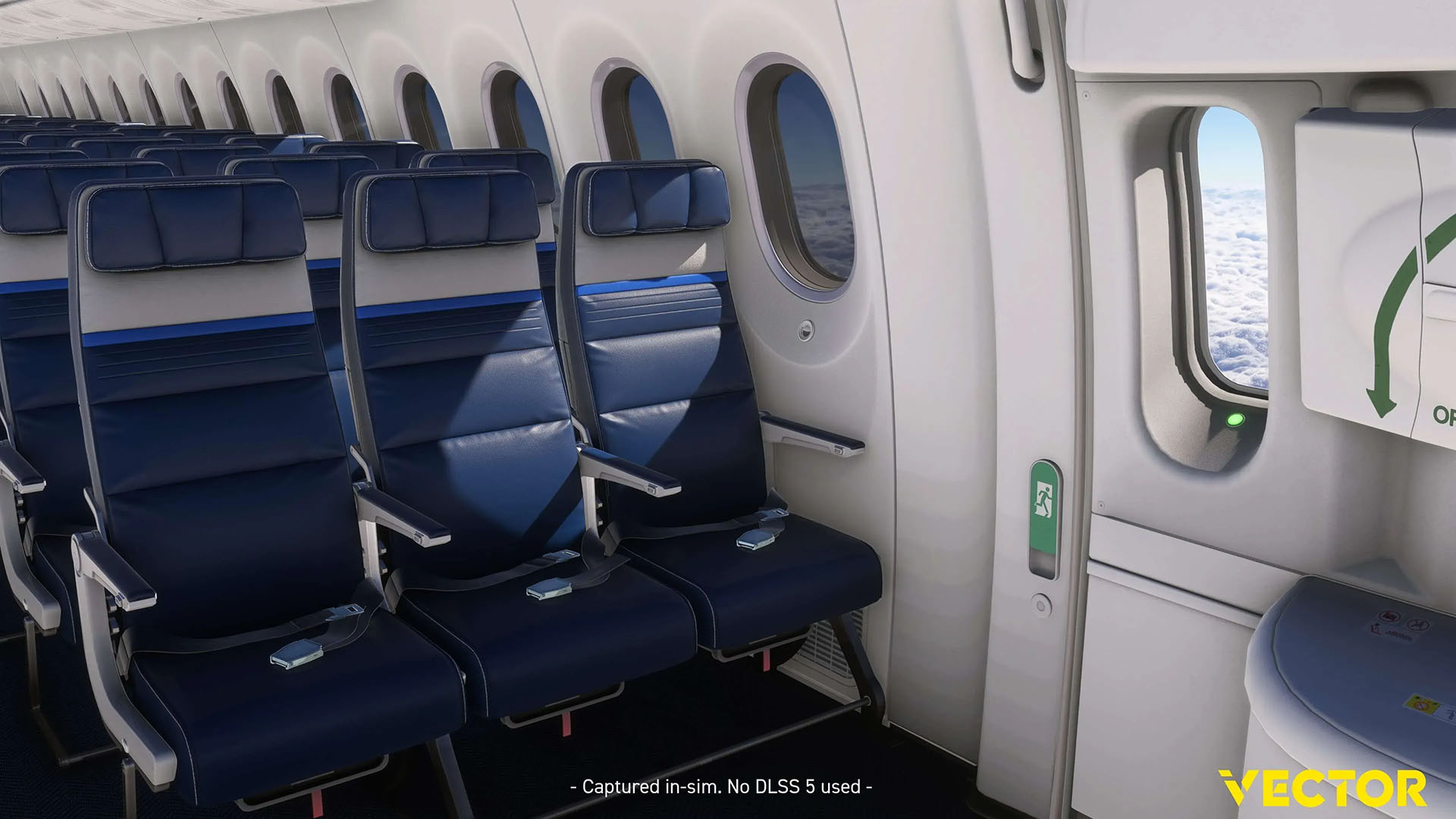
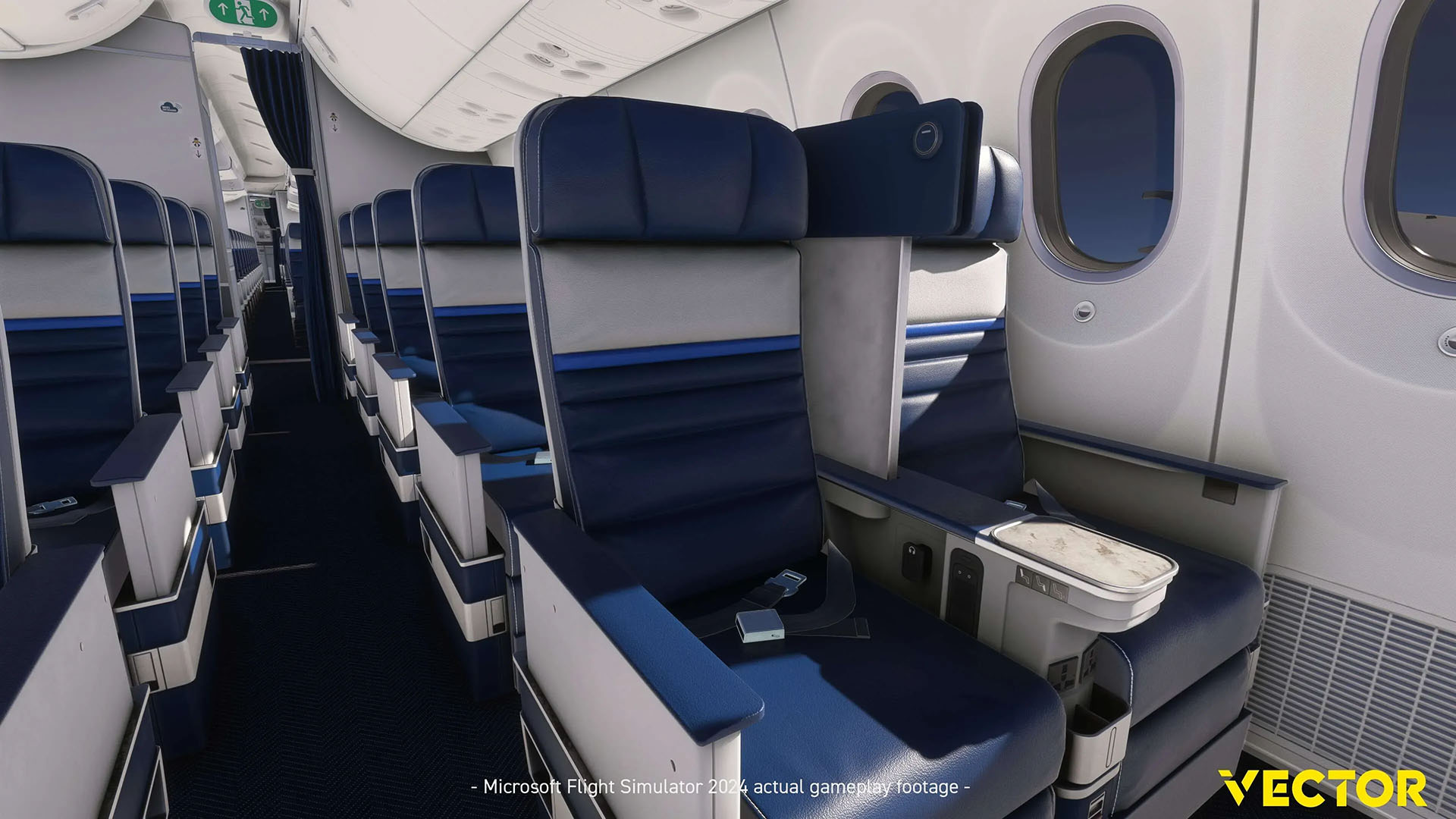
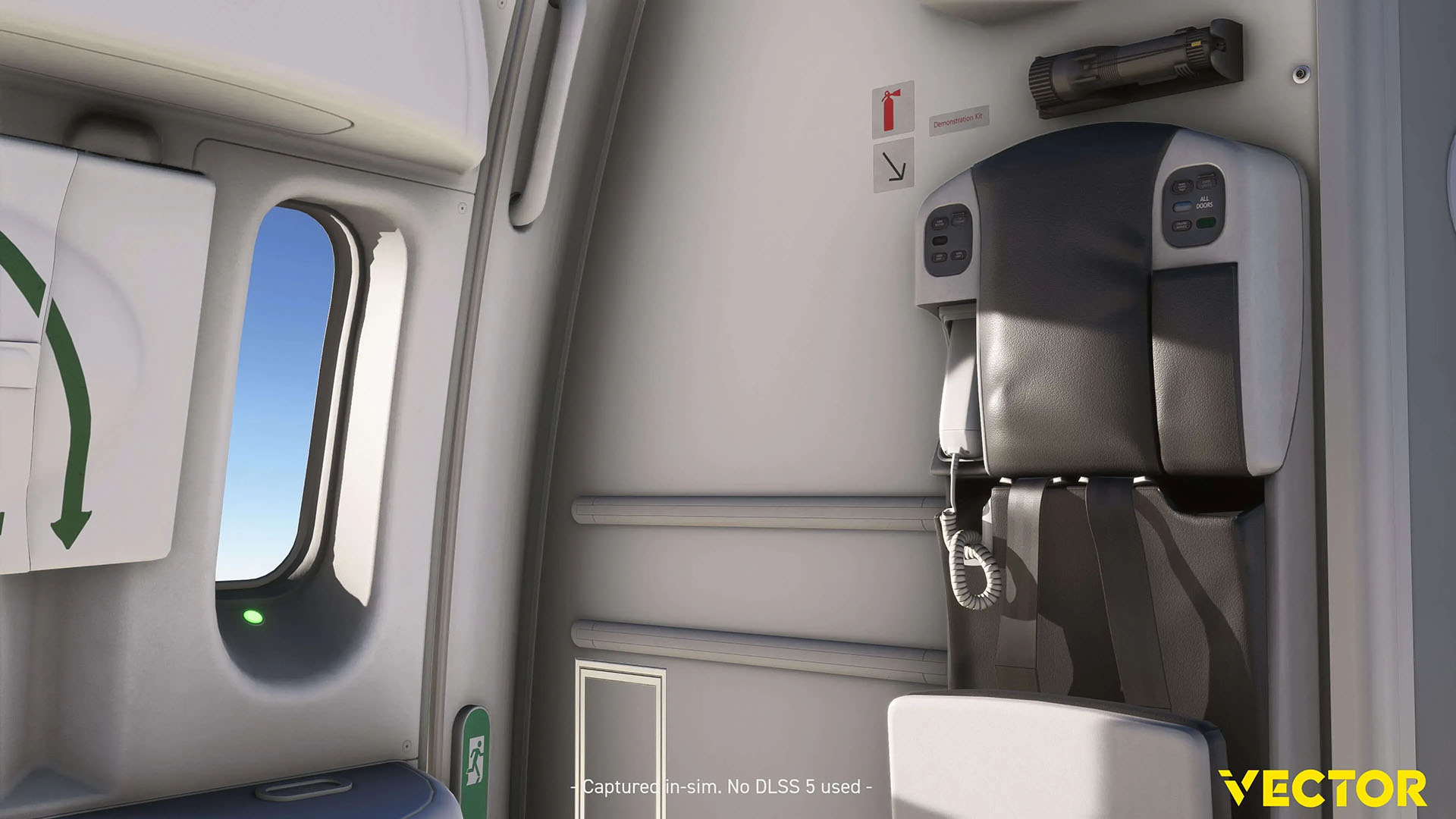

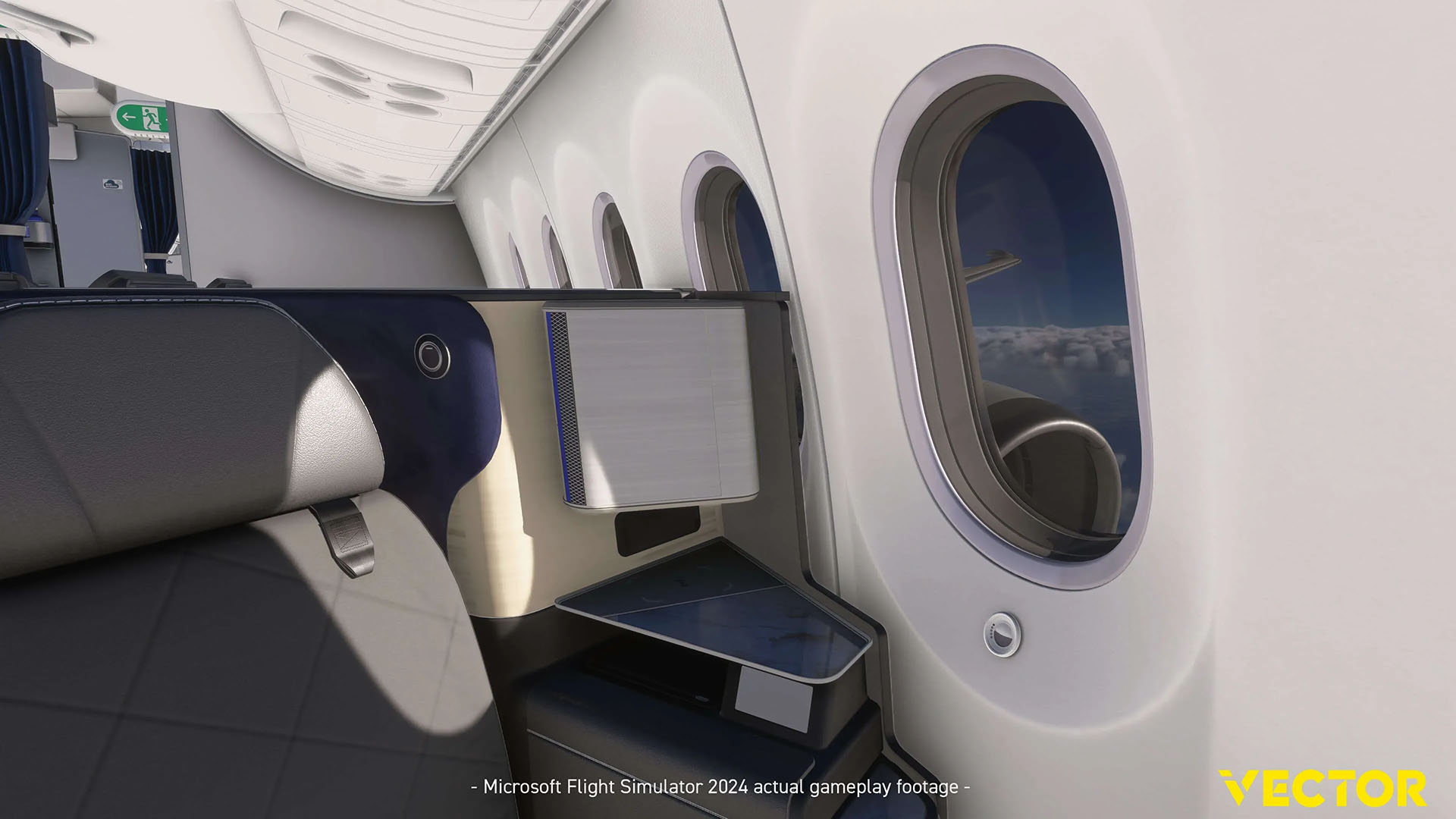


Vector Studio released an extremely extensive development update about its upcoming Boeing 787. Interestingly, we hear that the aircraft will be “content complete” next week.
This means that all the content and functionality for the aircraft will be implemented and then the focus will shift on testing and polishing.
The internal beta testing is well underway, and an external beta is coming soon, while Vector is also preparing to share a video.
It’s worth mentioning that the developer specifies that all the screenshots come directly from the simulator, with “no ReShade, custom shaders, or DLSS 5”
This is very important, considering that filters have become widespread among certain developers to make their products look better than they are, and some even started to use DLSS5, encouraged by certain dishonest YouTubers who have hyped the technology without clarifying that it literally falsifies the look of MSFS 2024, removing any realism from the lighting and more.
You can read the update in its entirety below or on the official site.
Development Status
This update touches almost every aspect of the aircraft: systems, flight dynamics, performance, art and modelling, animations, sound, lighting, Look Development, testing and optimization. It is not a short update, but then again, this project has always been about depth.
We are not going to walk through every individual system simply because the list is far too long. Everything in the VECTOR 787 has been built from the ground up, based on our own research, architecture, logic, modelling and implementation.
We expect to reach Content Complete next week, meaning all planned aircraft content and functionality will be in place. At that point, the focus shifts almost entirely to polish, fine-tuning, optimization, validation, testing, flying, testing again and flying again.
In parallel, work continues on the broader product experience, including documentation, tutorials, onboarding material and other supporting content designed to make the VECTOR 787 as complete and accessible as possible from day one.
Systems
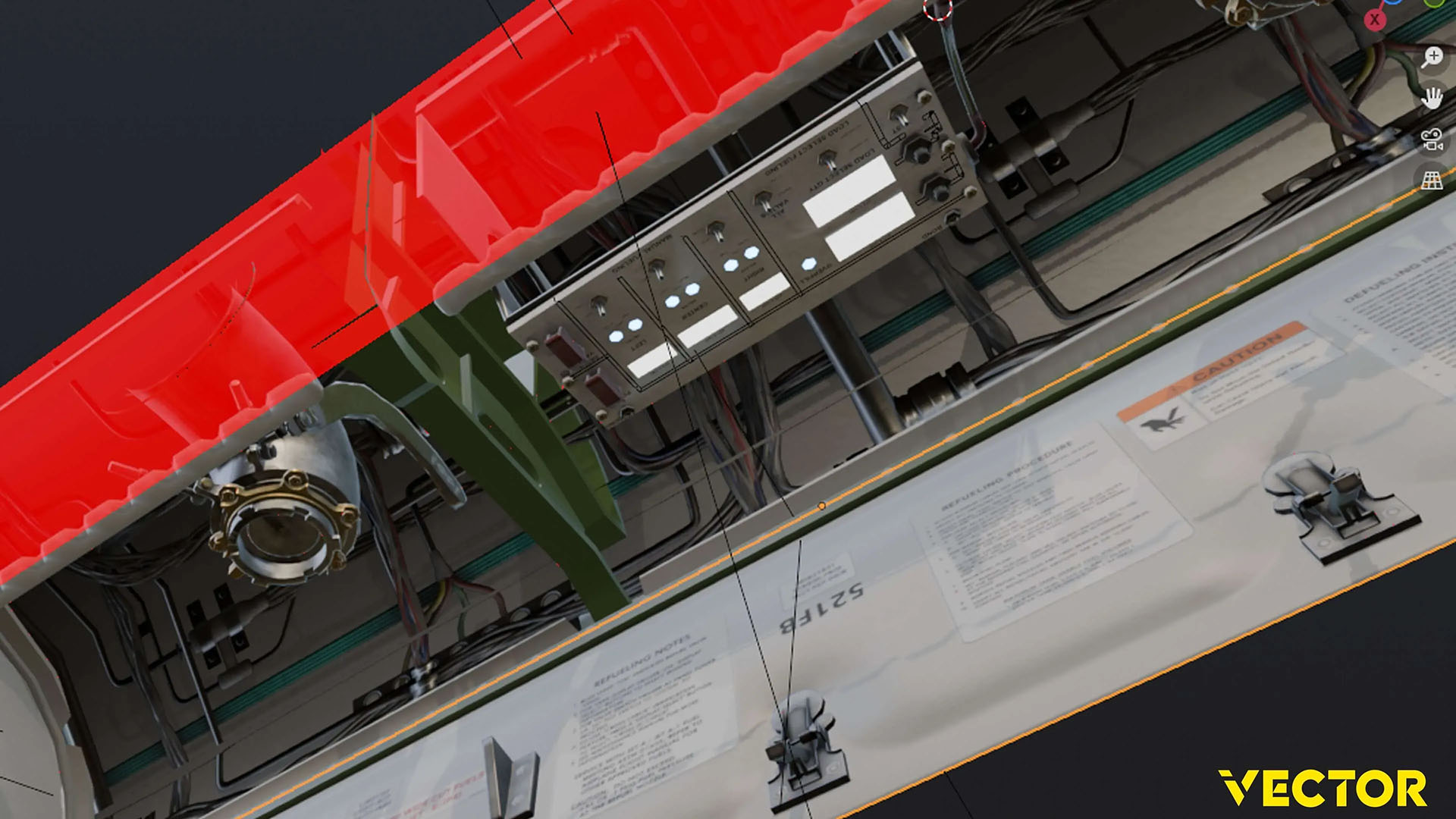
The Alpha phase is complete, and we are now deep into internal Beta testing. At this stage, the core aircraft systems are operational and being refined as one interconnected machine. Among many others, this includes the electrical system, hydraulics, fuel system, Airport Moving Map (AMM), Weather Radar, Terrain Radar, TCAS, checklists, maintenance environment and synoptics, all of which are now in place and undergoing final validation.
Increasingly, the focus is on system interaction and edge-case behaviour: how electrical availability affects downstream systems and load shedding, how hydraulic states influence aircraft configuration, how fuel logic responds through different phases of flight, and how all of that information is presented back to the crew through the displays, synoptics, EICAS alerts and maintenance pages.
At this point, our schematic-level approach becomes especially important. We are not only checking that each system works independently, but that the aircraft behaves correctly when those systems interact with, depend on, influence and respond to one another.
Beyond the underlying logic, equal attention is being given to how the aircraft communicates that logic to the crew: response times, page transitions, synoptic drawing times, fonts, symbology, display behaviour and even the small delays present in the real aircraft.
One good example is the Airport Moving Map, which uses Boeing-style symbology and is designed to operate across airports worldwide, whether you are parked at a highly detailed third-party airport or a generic airport from the simulator.
Another is the Weather Radar, which is fully integrated into the aircraft and works as expected whether you are using the simulator’s default weather system or a third-party weather add-on. Terrain and TCAS are similarly deeply integrated into the wider aircraft environment rather than treated as isolated display features.
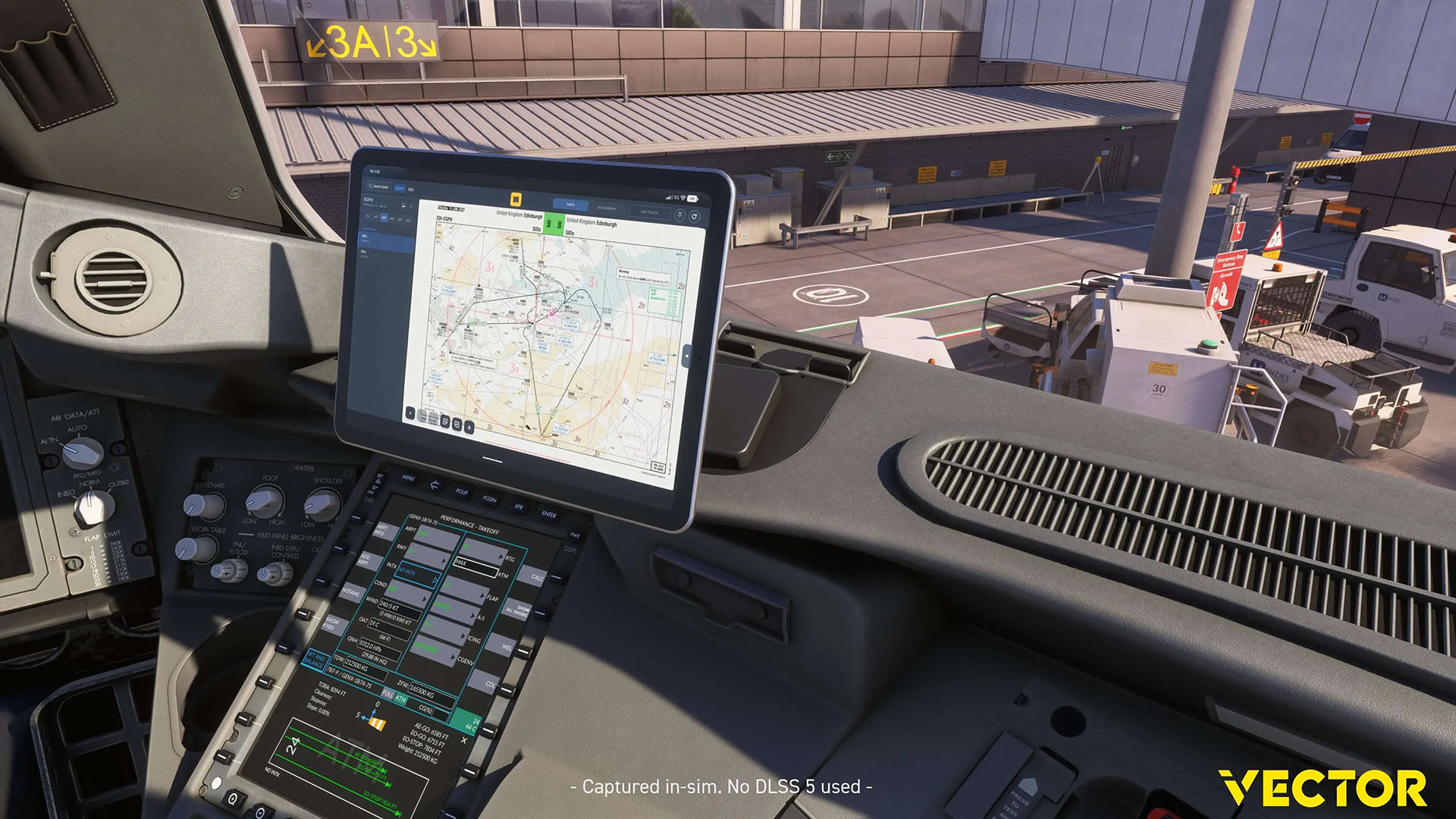
Boeing Built-In EFB
The Boeing built-in EFB deserves a little more attention because it is not simply another display. It is a complete aircraft system in its own right.
By modern standards, it is a relatively old piece of technology, but that is also part of what makes it so authentic and, frankly, pretty cool to use. Instead of modernising or simplifying it, we chose to reproduce the unit as it actually exists in the aircraft.
Our implementation was built from the ground up, using the original technical documentation for the real EFB as the foundation for its structure, workflows, logic and behaviour, supported by extensive day-to-day validation on the real unit together with our team members and exceptional technical advisors.
In total, the system currently includes 53 pages, covering a wide range of functions such as takeoff and performance calculations, aircraft configuration, warnings and recommendations, charts, navigation tools and other flight-planning aids.
Some of its characteristics may feel unusual compared with modern tablets, and that is entirely intentional. The enroute map, for example, runs at a relatively low visual resolution, exactly as it does in the real aircraft. Certain pages take time to load, some transitions are not instantaneous, and different functions respond at their own pace.
Those limitations are part of the real system, so they are part of ours too.
We are not trying to improve Boeing’s EFB. We are reproducing the one that is actually there.
As with many of the aircraft’s other systems and features, the EFB will also receive its own dedicated video tutorial and documentation, giving users a much deeper look at how it works and how to use it properly.
VPAD
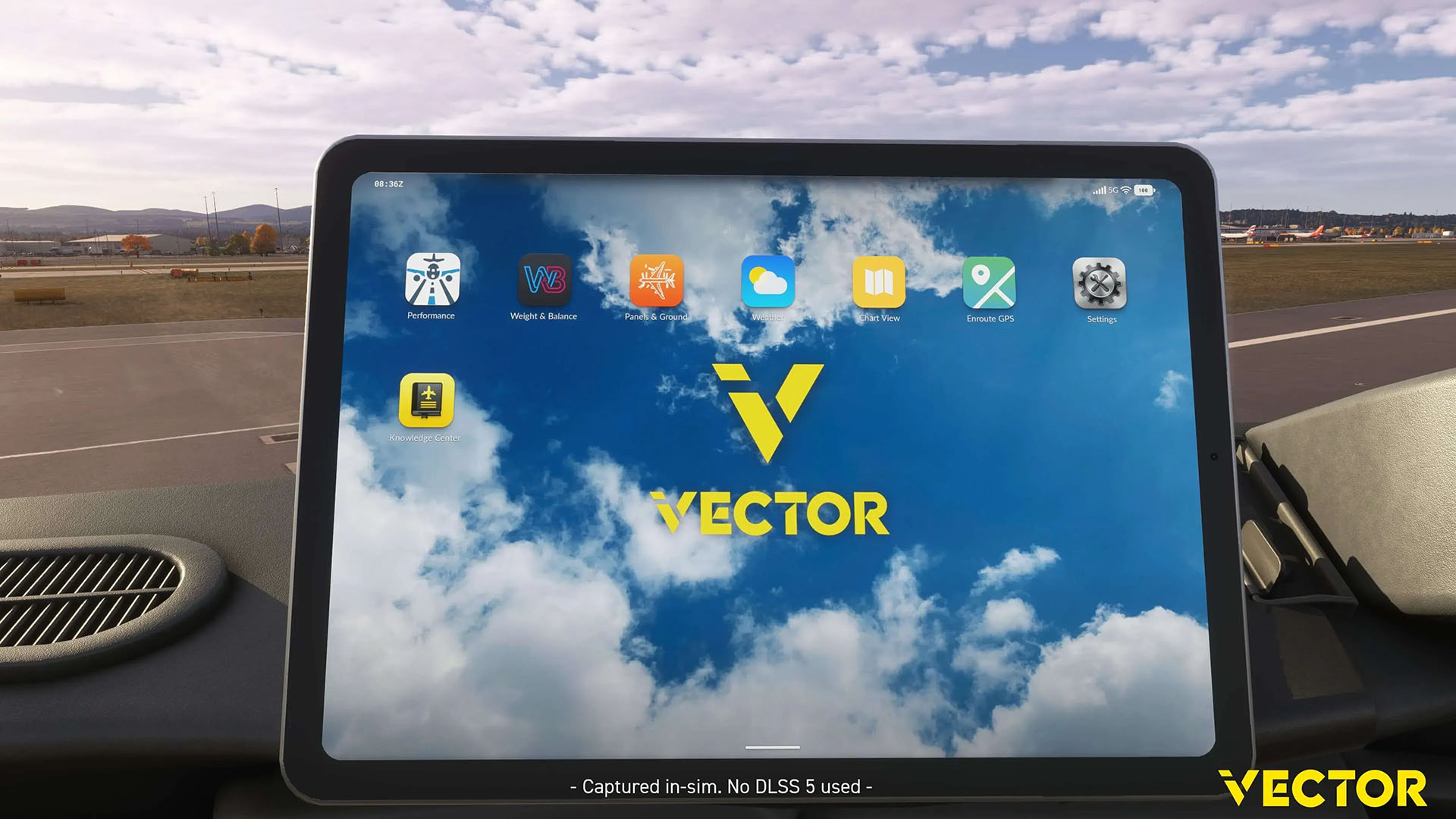
For the first time, we’re showing the VPAD where it belongs: fully integrated into the aircraft and running inside the simulator.
Built from the ground up, the VPAD has a very different purpose from the systems inside the aircraft. This is where we place the entire Quality of Life layer: tools and conveniences designed specifically for the home-simulator environment, without compromising the 1:1 simulation of the 787 itself.
That includes full SimBrief integration, Navigraph, LIDO charts through Microsoft Flight Simulator, MSFS flight-planning integration, keyboard input, door controls, ground services interaction, and a growing collection of additional tools and goodies. Features such as automatic step-climb assistance, pause at Top of Descent (TOD) and other simulator-focused conveniences also live here rather than inside the simulated aircraft.
Charts and flight-planning tools are accessible directly through the VPAD, with several options available depending on how you prefer to fly. Navigraph integration is there for users who have it, while Microsoft Flight Simulator and LIDO chart functionality provide a complete alternative without requiring an additional subscription or payment simply to make full use of the aircraft and its connected tools.
Where geographic referencing is available, supported charts can also display the aircraft position directly on the chart.
The philosophy behind the VPAD is very deliberate:
If it belongs to the real 787, we reproduce it in the aircraft. If it exists to make the simulation experience better, it belongs in the VPAD.
Flight Dynamics
Flight dynamics are now heavily focused on fine-tuning, and this is one of the most important parts of the entire project. Ultimately, every system, calculation and input has to come together here, in how the aircraft actually flies, behaves and feels.
Matching performance data is essential, but numbers alone are not enough. A 787 needs to feel like a wide-body aircraft. You should feel that mass while taxiing, through control inputs, during manoeuvring, on approach and, especially, when the aircraft settles onto the runway.
A landing should feel like a landing, not like sliding across ice. The aircraft has weight, inertia and movement, and its behaviour should change naturally with aircraft weight, weather, wind, runway conditions and surface characteristics. A heavier aircraft should feel heavier. Control response should feel appropriately slower and more deliberate, and that sense of mass should remain with you throughout every phase of flight.
That is why we are taking off, landing, and doing it again and again and again. Every circuit, approach and touchdown gives us another opportunity to calibrate the aircraft, compare its behaviour, refine the response and bring it closer to the authentic feel we are aiming for.
We are continuously refining this across different weights, configurations, runway conditions and phases of flight within the flight envelope, alongside LNAV and VNAV behaviour in real operational scenarios, as we all know just how important, and how tricky, these systems can be in MSFS.
Cockpit
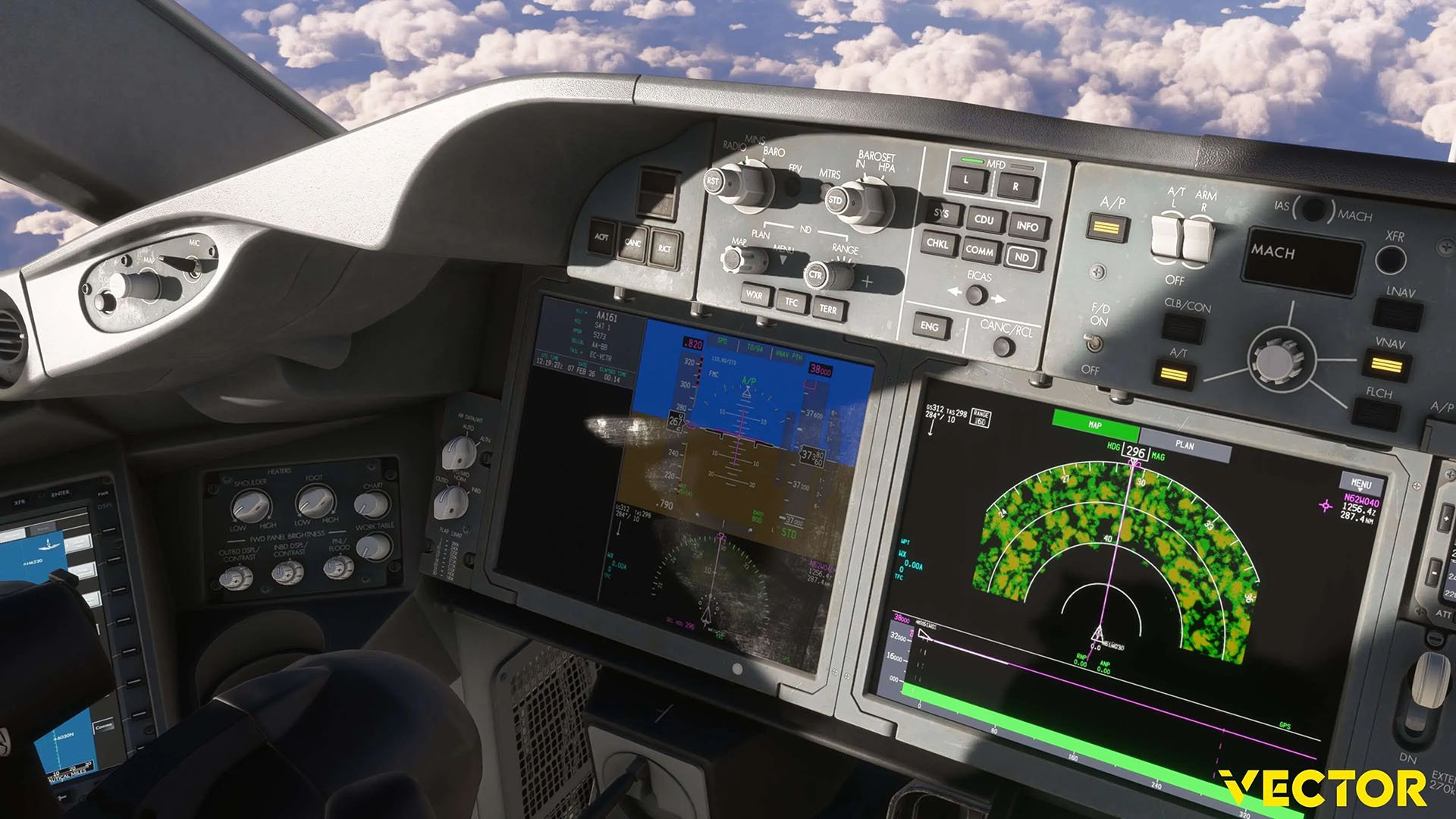
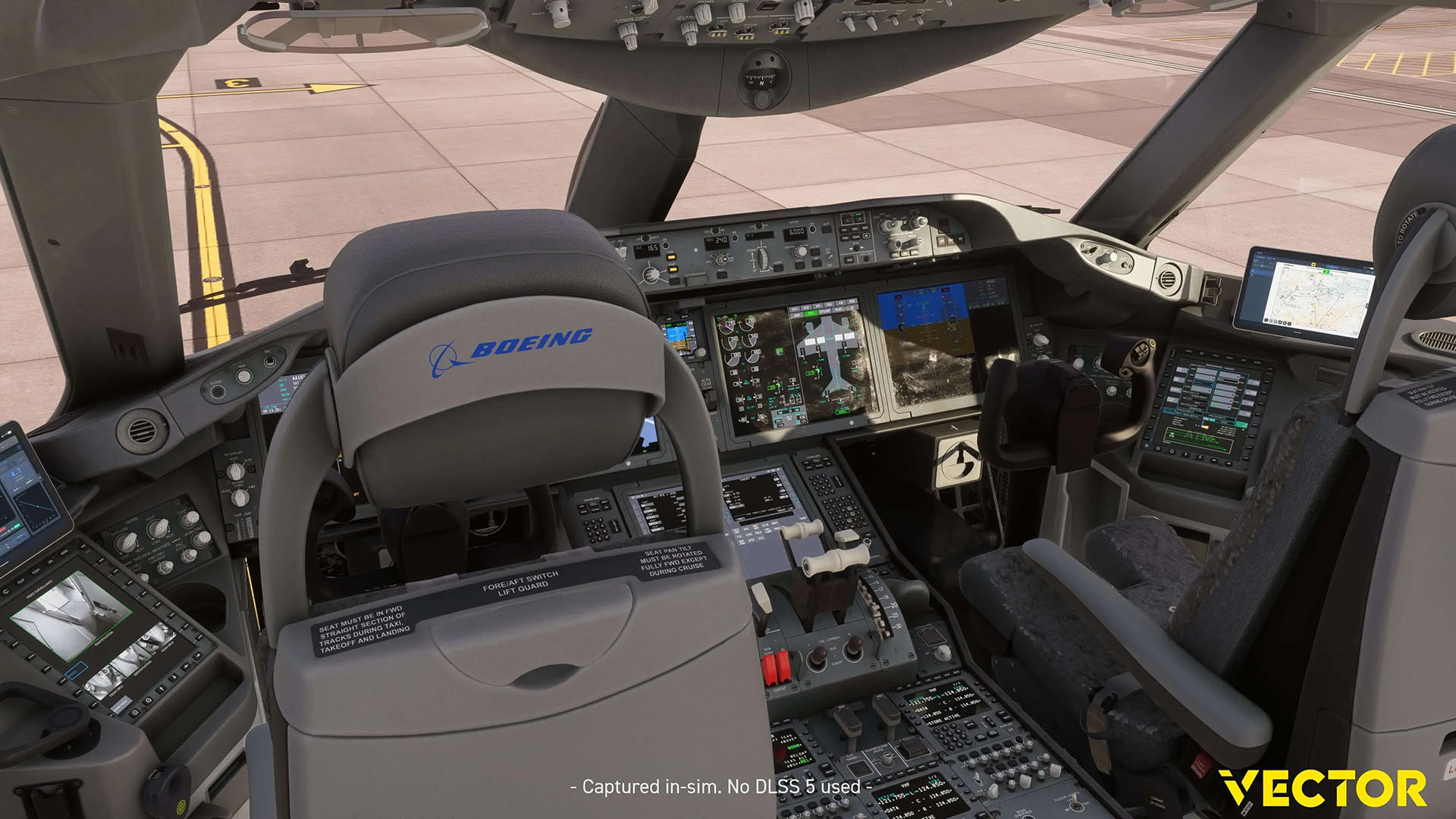
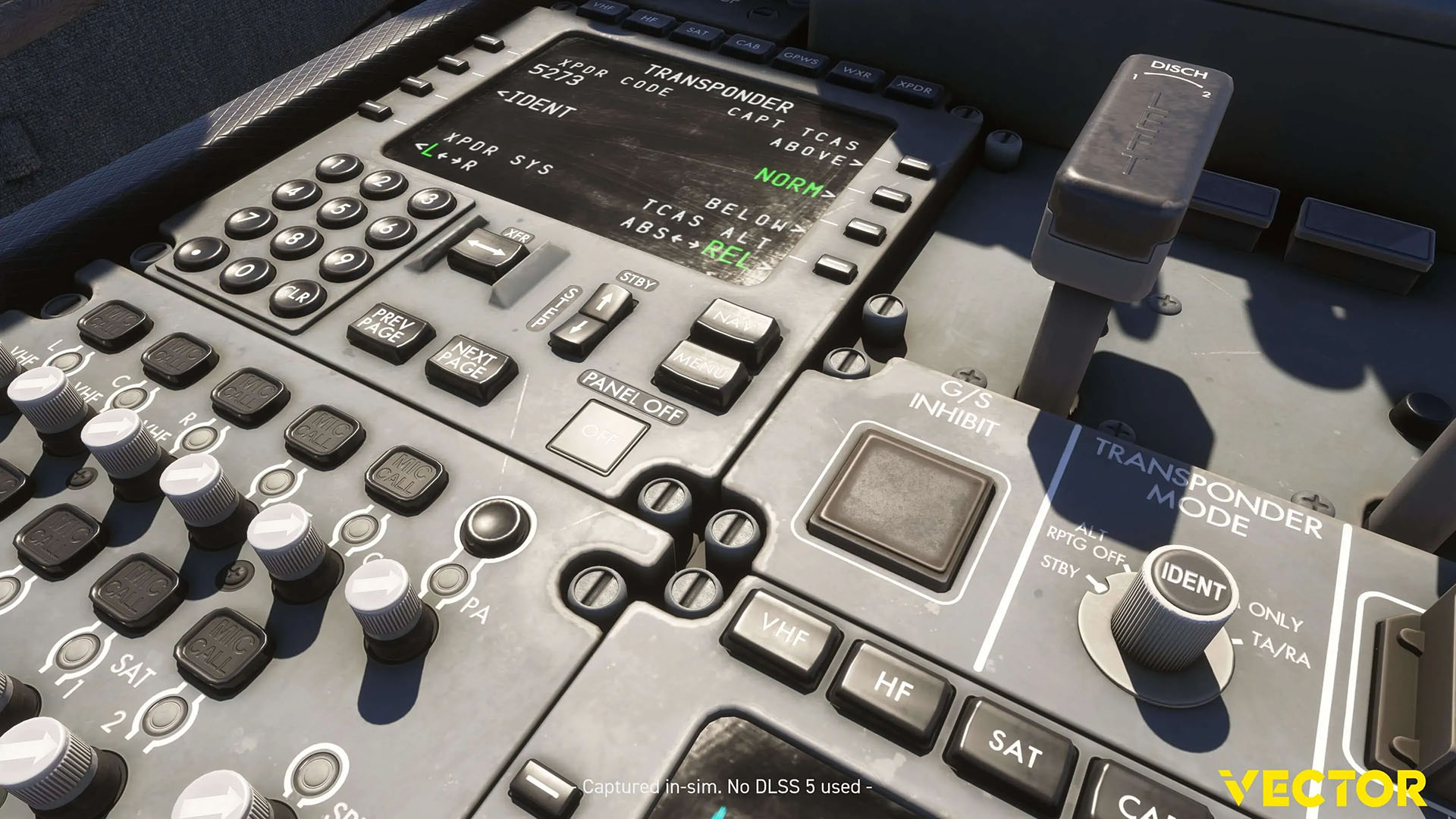
The cockpit is now in its final visual refinement stage.
From a functionality standpoint, the flight deck is there. The planned controls, displays, switches, interactions and systems are implemented and operational, and the focus is now increasingly on refinement rather than filling in missing pieces.
A considerable amount of work has gone into the areas you spend hours looking at from very close range: individual switches and buttons, keyboards, panels, displays, seats, materials and the physical integration of the EFB and VPAD. At this distance, even very small details matter, so the final pass is heavily focused on dimensions, materials, reflections, surface response, lighting interaction and the smaller modelling details that define the overall quality of the flight deck.
You may still notice the occasional minor work-in-progress visual inconsistency in some of the screenshots. That is simply part of showing the aircraft while the final Look Development and polish passes are still underway.
Even so, these images should give you a very clear sense of where the cockpit is today, what to expect at release, and just how significant the visual progress has been since our previous update.
Engines
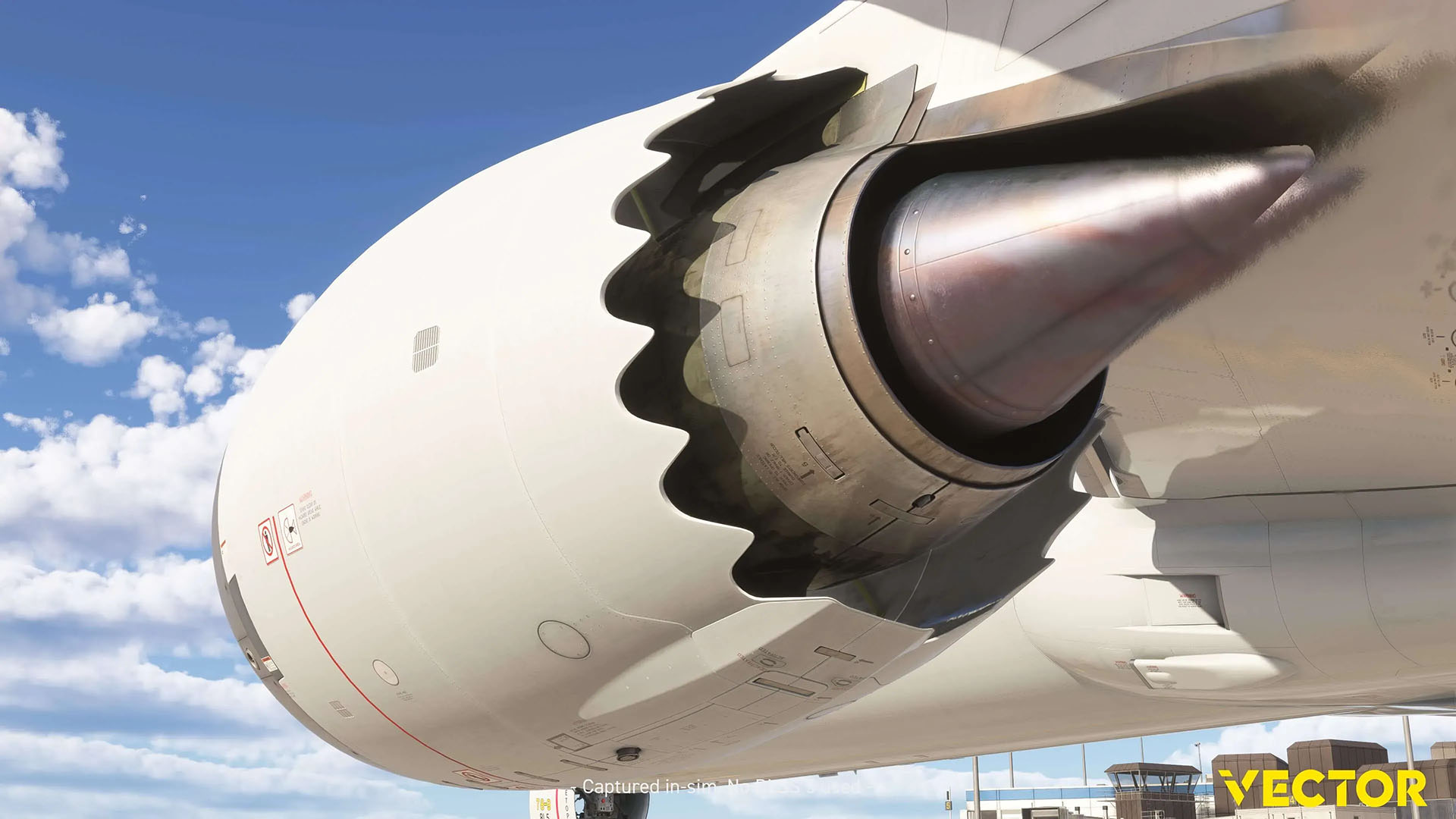
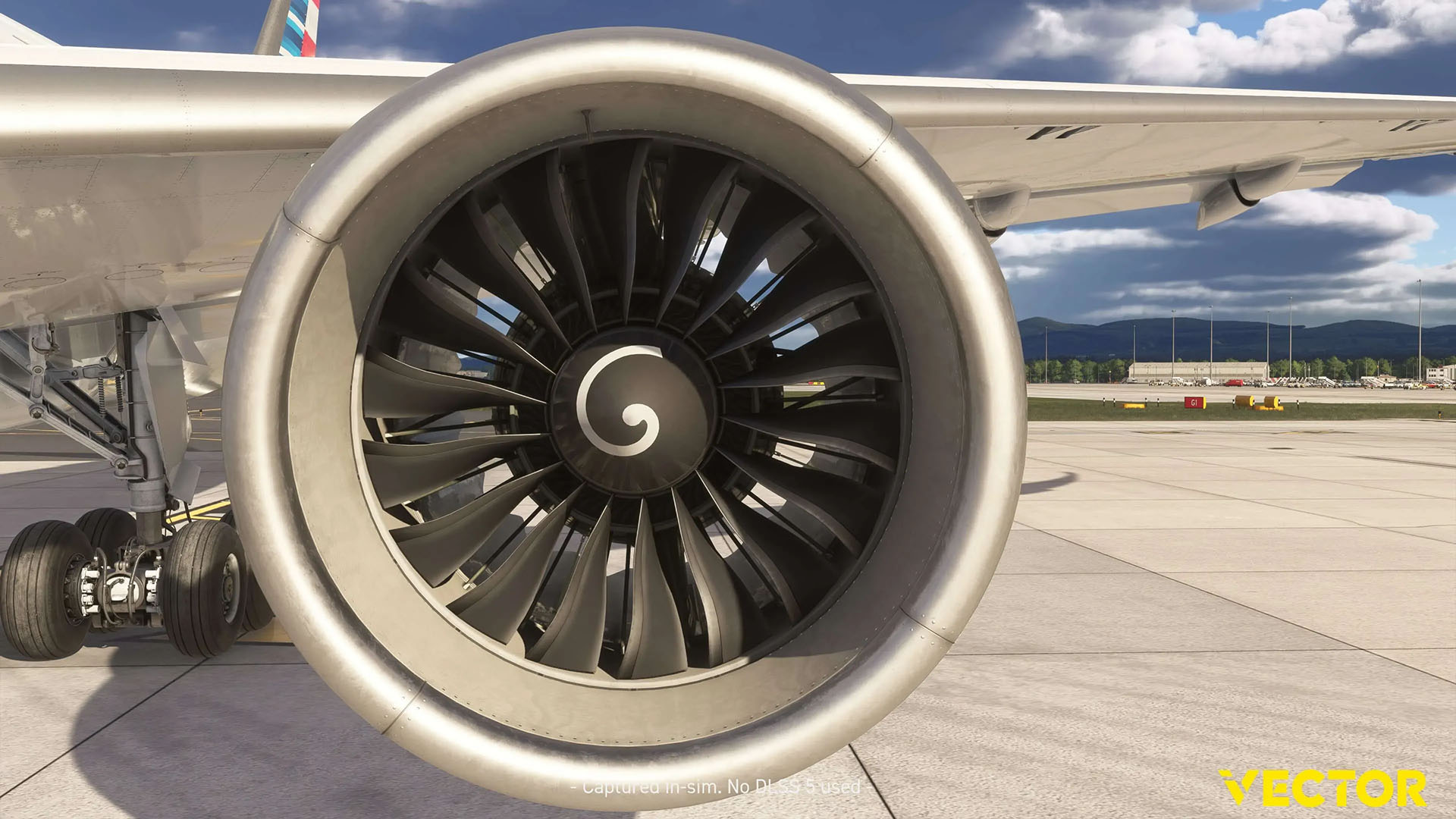
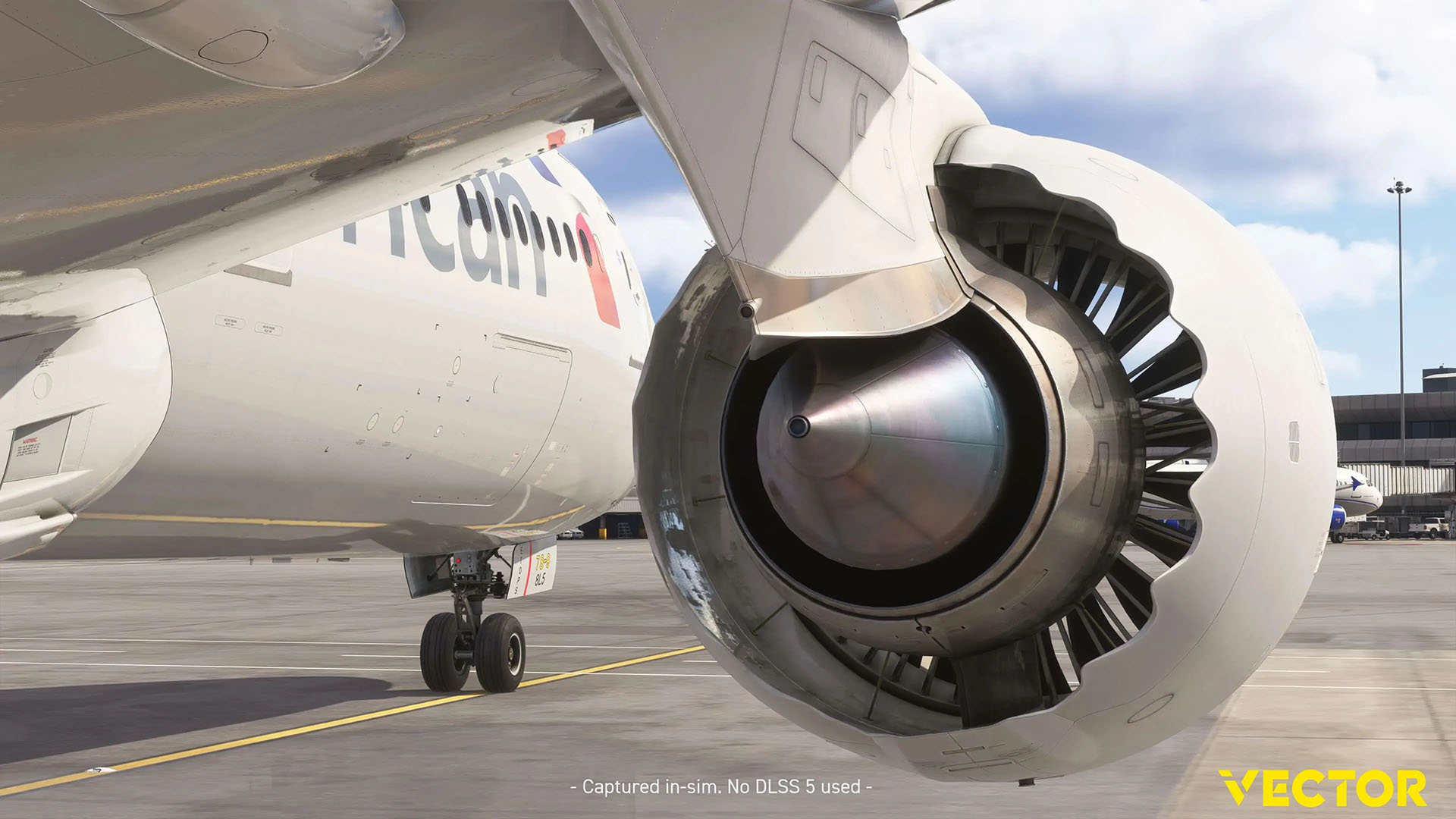
The engines have received one of the deepest modelling and accuracy passes anywhere on the aircraft.
The VECTOR 787 will include both engine options: the GE Aerospace GEnx-1B and the Rolls-Royce Trent 1000, each modelled, tuned and treated as its own aircraft configuration rather than as a simple visual swap.
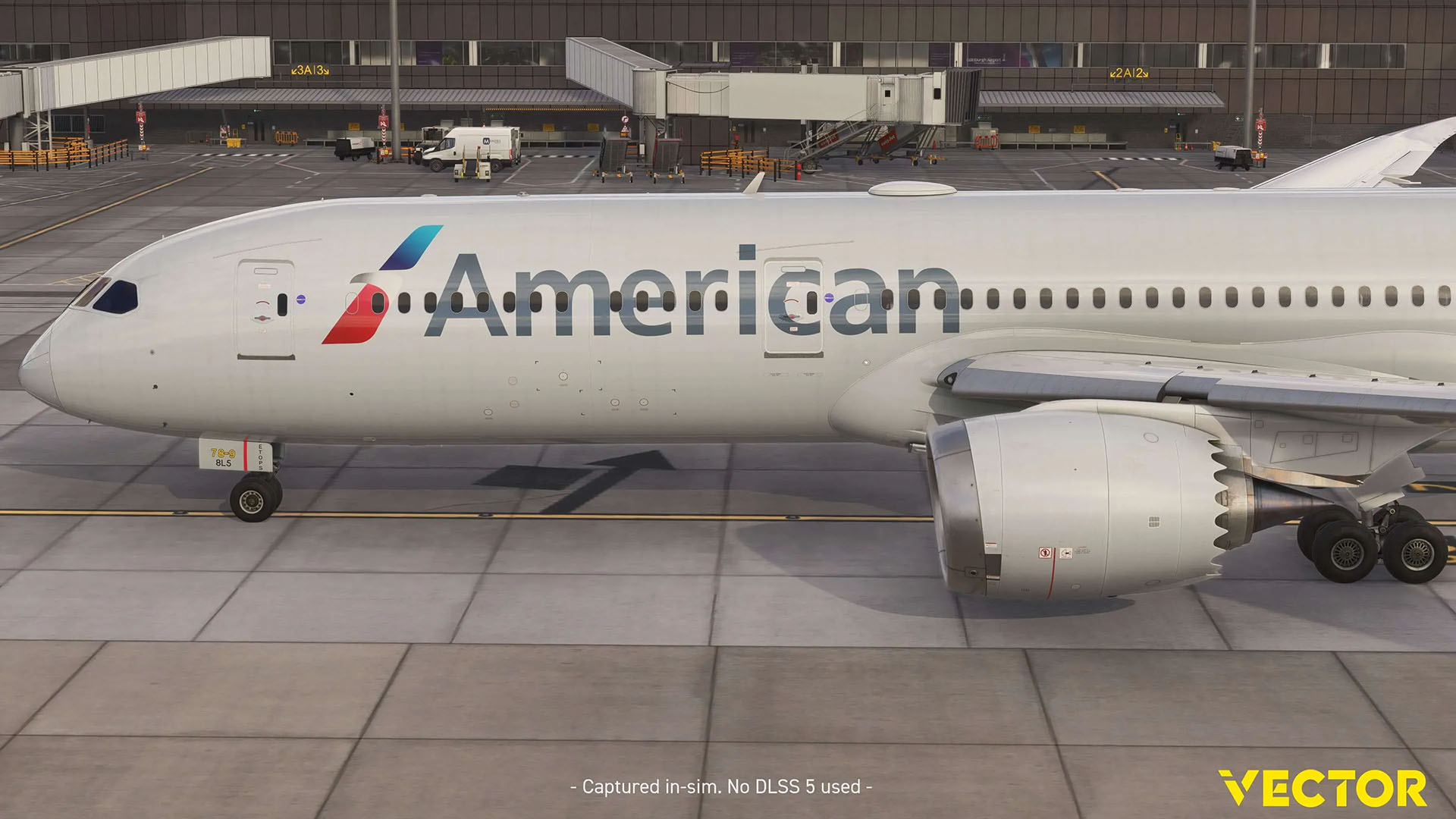
Shown in the images below is the GEnx-1B, the engine used on American Airlines’ 787-9 fleet.
Over the past several months, we have followed the feedback and discussion around some of our earlier engine images very closely. In parallel, the team continued expanding an already extensive reference base with additional measurements, photography, technical references and an even larger library of engineering drawings.
That work has gone into another very deep accuracy pass across the overall geometry, proportions, nacelles, fan, pylons and many of the smaller areas around and underneath the engine. Each engine option is treated individually, including the correct fan configuration, blade geometry, proportions and the visual and technical differences unique to each one.
One thing worth keeping in mind when comparing screenshots is that camera angle, zoom and focal length can significantly change the way proportions appear in a still image.
Even the same model can read very differently depending on how close the camera is and the lens being used. That said, we believe the images in this update speak for themselves and give a much clearer view of the level of accuracy we have reached.
The distinction between the two engines also goes well beyond modelling. Both the GEnx-1B and Trent 1000 have their own dedicated flight modeling and sound recordings and individually tuned sound sets, together with the relevant adjustments needed to reproduce the unique character and behaviour of each engine as accurately as possible.
A lot of this detail lives in areas you may rarely notice during a normal flight, but that is exactly the point. The aircraft needs to hold up not only from the flight deck, but also during close inspection and walkarounds.
Cabin
The full cabin is modelled across three classes: Business, Premium Economy and Economy. Our primary visual reference is the United Airlines 787-9 cabin, with United Polaris serving as the reference for the Business Class environment.
While this provides the visual foundation, the cabin will not be locked to a single airline identity. As part of the paint kit, users will be able to customise relevant textures and colours, making it possible to adapt the interior alongside the exterior livery.
The work extends well beyond the seats themselves. Galleys, lavatories, doors, cabin details and the 787’s Electronic Dimmable Windows (EDW) system are all represented and functional.
A major focus throughout cabin development has been performance and optimisation. This is a large, highly detailed interior, so a significant amount of work has gone into making sure that visual fidelity does not come at the expense of simulator performance.
The cabin is also receiving a detailed wear-and-tear pass, adding the subtle signs of real-world use that help the environment feel lived-in rather than factory-new.
For users who prefer to prioritise performance even further, the VECTOR 787 will also include a version without the passenger cabin.
The cabin itself is going through the same final Look Development process as the cockpit and exterior, with particular attention to materials, lighting response and how the environment feels from the passenger perspective.
And yes, there are still a few pretty cool cabin surprises we are deliberately keeping to ourselves for a little longer.
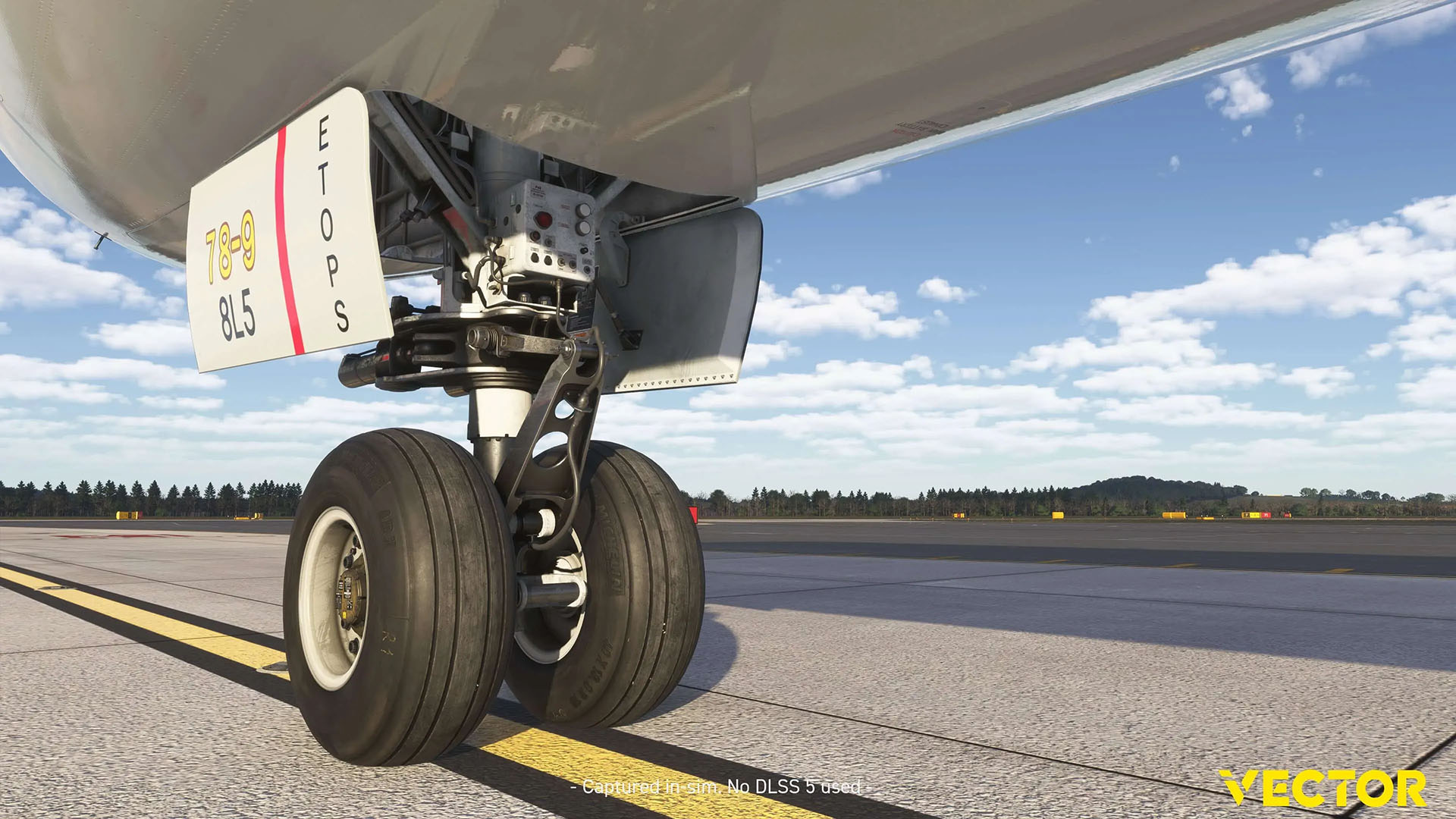
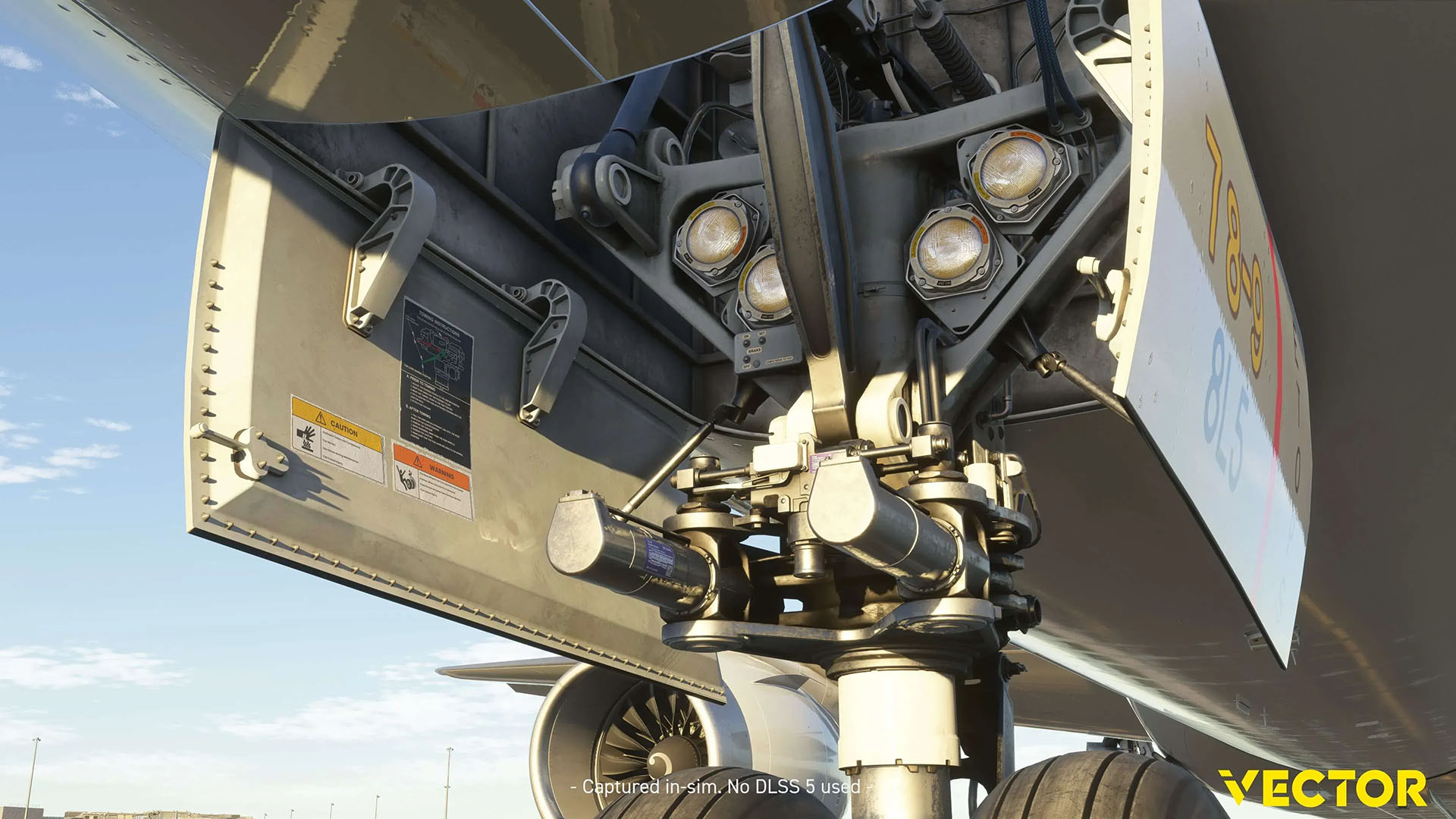
Landing Gears
The nose landing gear and gear bay have been treated with the same level of attention.
The gear assembly, surrounding structure and the components inside the bay are modelled in detail for close inspection, particularly during walkarounds and ground operations where these areas become much more visible.
This is another area where a significant amount of modelling exists beyond what you normally see during a flight.
Wings
The wings are naturally one of the most important visual areas of any 787, and they have gone through a refinement process very similar to the engines.
As with the engines, and many other areas of the aircraft, we have significantly expanded the reference base over the past several months with additional measurements, photography, technical material and engineering drawings, allowing us to take the entire wing through another deep accuracy pass.
That work covers the overall geometry, proportions and structure of the wing, but also the much smaller details around the leading and trailing edges, Krueger flaps, slats, flap mechanisms, spoilers, wing lights and surrounding structures.
A considerable amount of attention has gone into making sure these elements do not simply look correct in isolation, but also sit, align and integrate correctly as part of the complete wing structure.
Similarly, camera angle, zoom and focal length can significantly affect how proportions appear in screenshots, which is worth keeping in mind when comparing images. The screenshots included in this update should give a much clearer picture of where the wing model stands today.
Given how visually dominant and characteristic the 787 wing is, this is one of the areas where we are being particularly uncompromising.
With the major aircraft areas covered, we can now step back and look at the development disciplines behind them: the art, animation, sound, lighting, Look Development, optimisation and testing work that brings all of those individual systems and components together into one finished aircraft.
Art and Modelling
The complete aircraft is now modelled, and the art team is in the final stages of LODs, optimization, accuracy refinement and Look Development.
A major focus now is on performance down to the smallest detail: refining LODs, cleaning unnecessary geometry and polygons, removing redundant materials and optimising wherever possible without compromising visual quality.
At the same time, we continue adding final polish and visual refinements throughout the aircraft. Just like the systems code, the process is iterative: review, optimise, improve, test, repeat.
Lookdev and Lighting
We are also deep into what we call Lookdev: going through the aircraft piece by piece and making sure it not only looks accurate, but also feels authentic and lived-in.
Materials, roughness, transparency, surface detail, colour response and lighting interaction are all being refined across different environments and conditions, with a particular focus on how materials reflect and react to light.
A lot of the modelling work itself is built around advanced hyper-realistic techniques, including extensive use of custom normals to precisely control how light and reflections flow across the aircraft’s surfaces. This gives us cleaner curvature, more convincing transitions between panels and materials, and a much more natural surface response without relying on unnecessary geometry.
A major part of the same process is wear and tear. Subtle dirt, light scratches, surface variation and even fingerprints on frequently used screens and touch surfaces are being introduced where appropriate. These small details help move the aircraft away from a sterile, factory-new appearance and make it feel much more immersive, believable and alive.
Lighting is being calibrated alongside the material work, both internally and externally, so that the light sources themselves and the way they interact with every surface feel as natural and convincing as possible.
Animations
Animation work is now primarily about final tuning and validation. Across the aircraft, we have used measurements, timing data, technical drawings, reference footage and real-world observations to reproduce how the different systems and mechanisms actually move, how far they travel and how long each sequence takes.
That work spans the entire aircraft: cockpit interactions down to individual buttons, switches and controls, hydraulic mechanisms, aircraft doors, landing gear, flaps, spoilers and many other moving components. The goal is not simply to move a part from one position to another, but to reproduce the sequence, timing, range of motion and mechanical character of the real system as closely as possible.
Wing Flex
The 787 wing deserves special attention. Its extraordinary flexibility is one of the defining visual characteristics of the aircraft, and getting it right involves much more than simply bending the wing upward.
Its shape and movement change continuously with speed, aircraft weight, aerodynamic load, turbulence and phase of flight, and the deformation needs to remain natural across the entire wing structure.
This work is still in progress and remains one of the key areas we are continuing to refine. We are deliberately not rushing it. The 787’s wing is simply too distinctive to settle for something that only looks approximately right.
We will keep tuning, testing and comparing it until the movement, weight and character of the wing feel unmistakably 787.
Sound
Sound is now going through the same final refinement and mixing process as the rest of the aircraft.We have collected approximately 80 hours of dedicated recording material, resulting in more than 400 individual recordings from operational aircraft across different states, locations and phases of operation.
A key part of the sound design is reproducing how different the aircraft sounds depending on where you are inside it. The cockpit has its own acoustic character, while the cabin is noticeably more subdued and comfortable than many people might expect from a large wide-body. Engine presence changes significantly depending on where you are seated, while airflow, ventilation, electrical equipment, structural sounds and moving mechanisms all contribute differently throughout the aircraft.
There are also many of those smaller sounds that make being inside a real airliner feel alive: landing gear operation, flap movement, mechanisms working through the airframe, subtle vibrations, motors, clicks and changes in airflow that are heard differently depending on where you are sitting.
The objective is not simply to have accurate individual samples. It is to recreate the overall acoustic character of the aircraft as a complete environment, including the quieter moments and subtle background layers that make such a difference to immersion.
With the sound work now approaching its final stages, we should soon be able to share much more of the aircraft’s sound with you directly. We are very excited about this part of the project, and we think the result adds a huge amount to the overall experience.
Testing
And then there is the part taking more and more of our time every day: testing, validating and flying the aircraft almost continuously.
At this stage, testing covers virtually every discipline of the project. We are validating individual systems, system interaction, technical behaviour, code, performance calculations, navigation logic, aircraft configurations and failure or edge-case scenarios, while continuously reviewing and refining what happens under the hood.
At the same time, we are simply flying the aircraft a lot.
We have mapped the airports around the world where the 787 operates and are systematically flying through a very large number of them, testing SIDs, STARs, approaches and complete routes across different weights, weather conditions, runway environments and system states.
This is much more than route testing. Every flight combines systems, code, flight dynamics, navigation and performance into a real operational scenario. Every airport and procedure introduces another combination of variables and another opportunity to expose something that needs refinement.
When we find something, we correct it, test it technically, fly it again, validate the result and move on.
That cycle is happening constantly now: test, fix, fly, validate, repeat.
From time to time, we also run some of these test flights while broadcasting our position through Volanta, so you can follow along in real time. Naturally, not every development flight is flown this way, but we genuinely enjoy having the community along for part of the process.
Whenever we are about to run a test flight on Volanta, we post it in our Discord, so you can jump in and follow the aircraft live.
If you are not there yet, you are very welcome to join us: https://discord.gg/znEdjAQ8HM
The more hours we put on the aircraft at this stage, the more accurate, stable and predictable it becomes. And right now, the aircraft is accumulating those hours every single day.
Development by the Numbers
Just a few interesting examples that help put the scale of the VECTOR 787 into perspective:
.323 MFD checklists, spanning approximately 575 pages
.82 tablet checklists, covering 1,079 individual line items
.19 exterior inspection areas with 97 walk-around checkpoints
.VPAD: 8 apps, 13 tabs and 26 pages
.170 individual SIDs and STARs tested, including FMC route construction and path drawing
.40 unique full flight routes tested so far
These are only a few snapshots from across the project, and the numbers continue to grow every week as we move deeper into validation and Beta testing.
Airbus A300-B4 for Microsoft Flight Simulator Gets New Screenshot and Dev Update



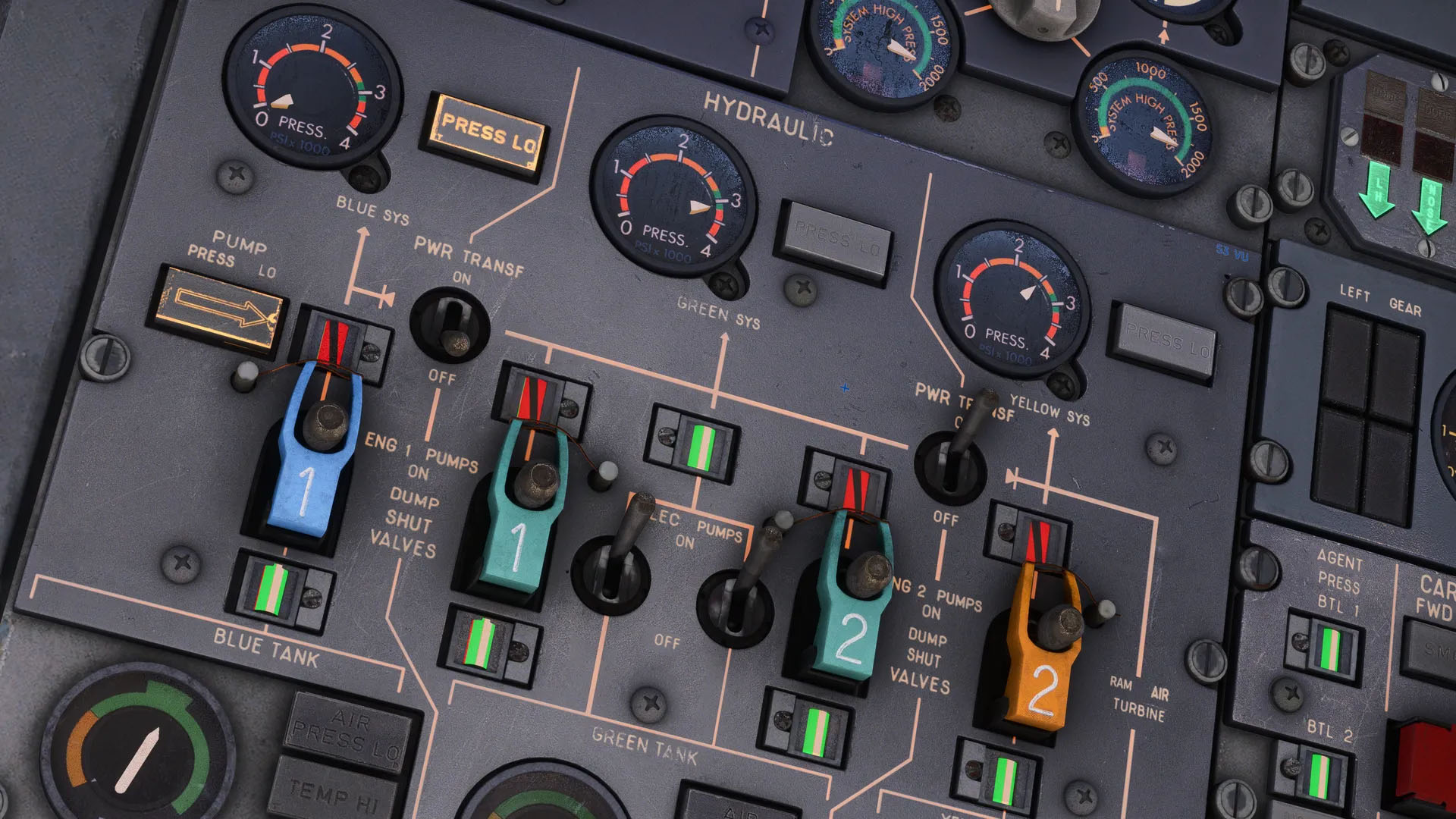
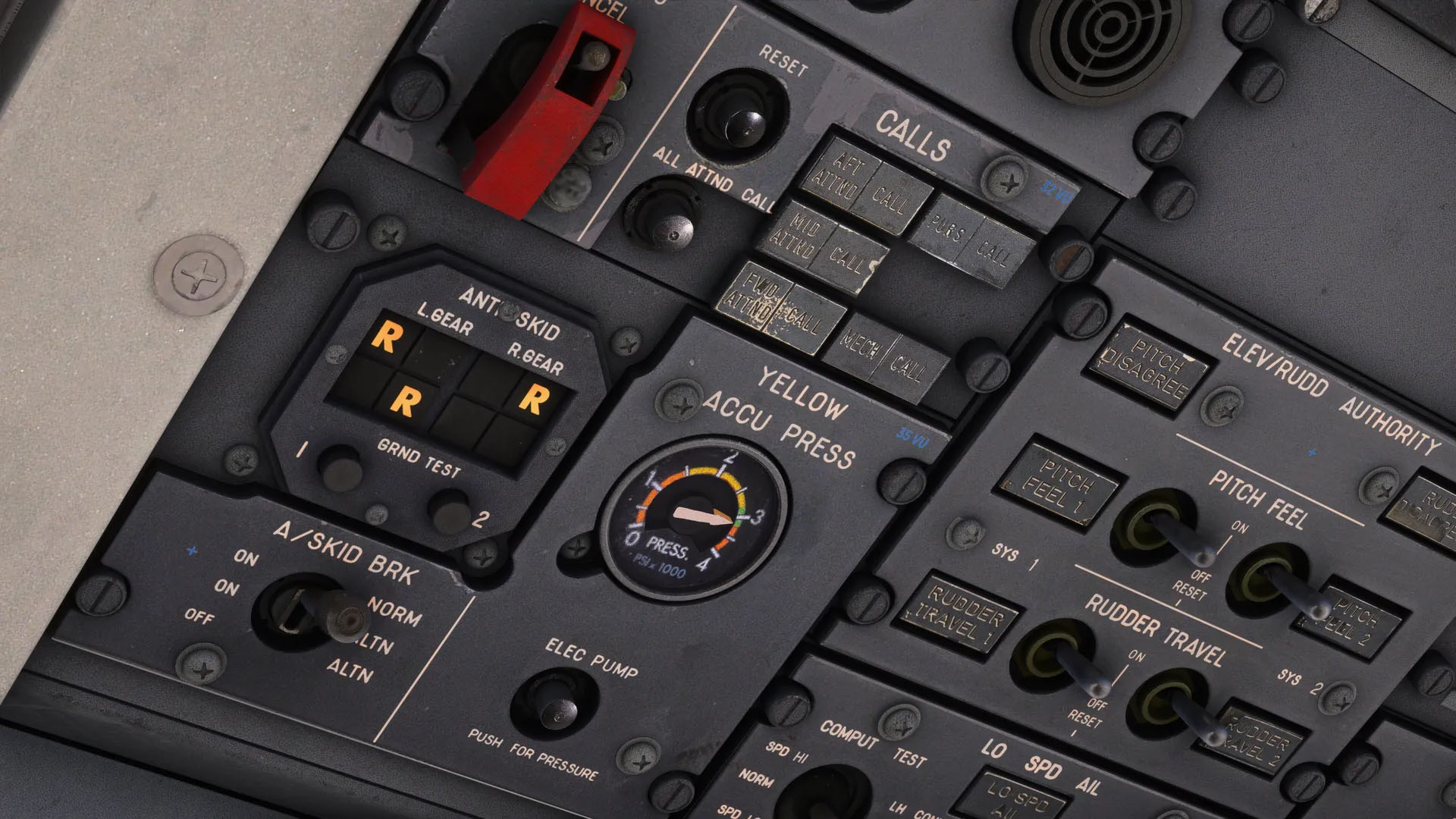
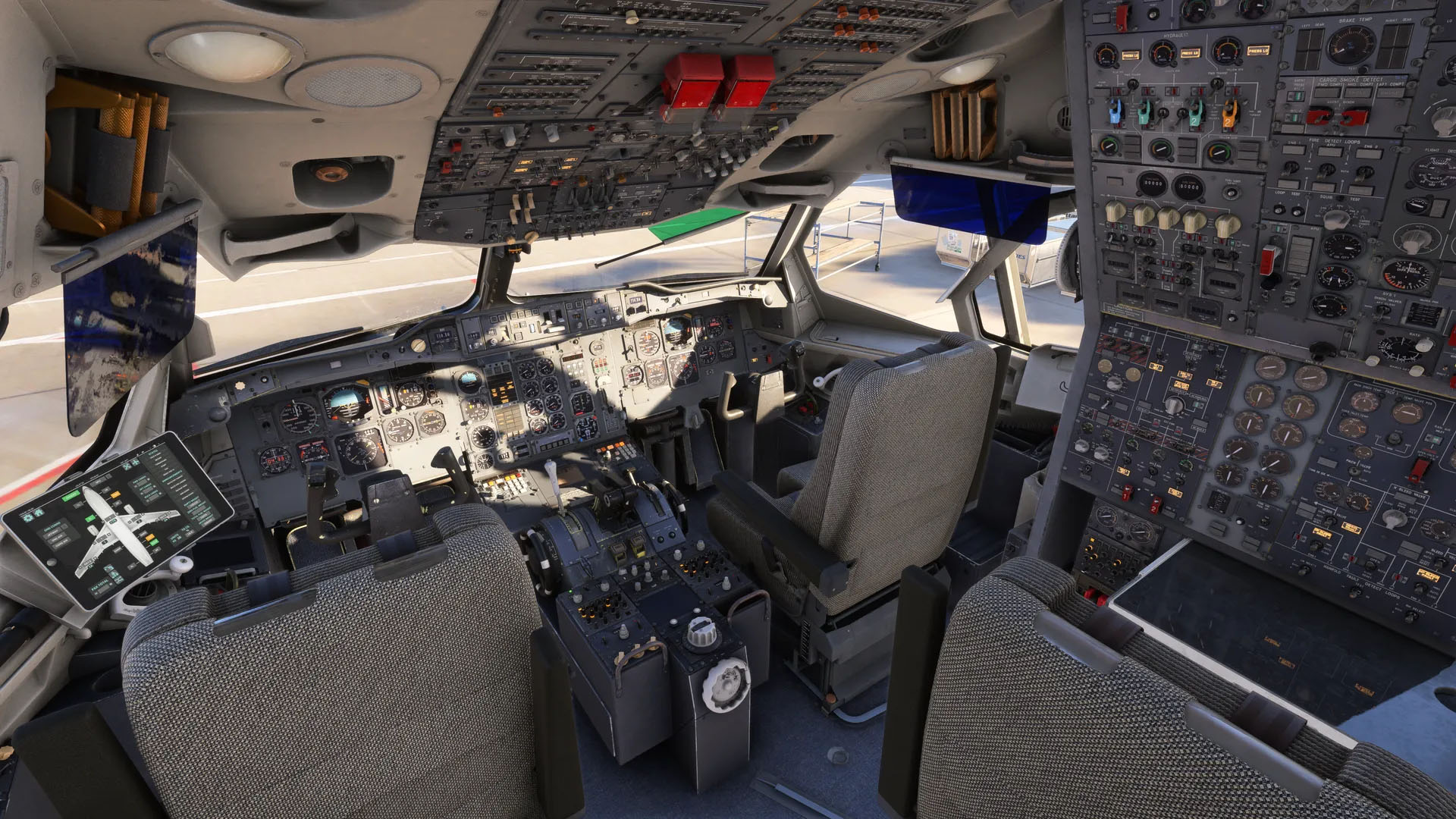
Another extensive development update was provided by Just Flight about something much older, the Airbus A300-B4, which has been under the radar for a long time.
You can read it in its entirety below, or on the official site.
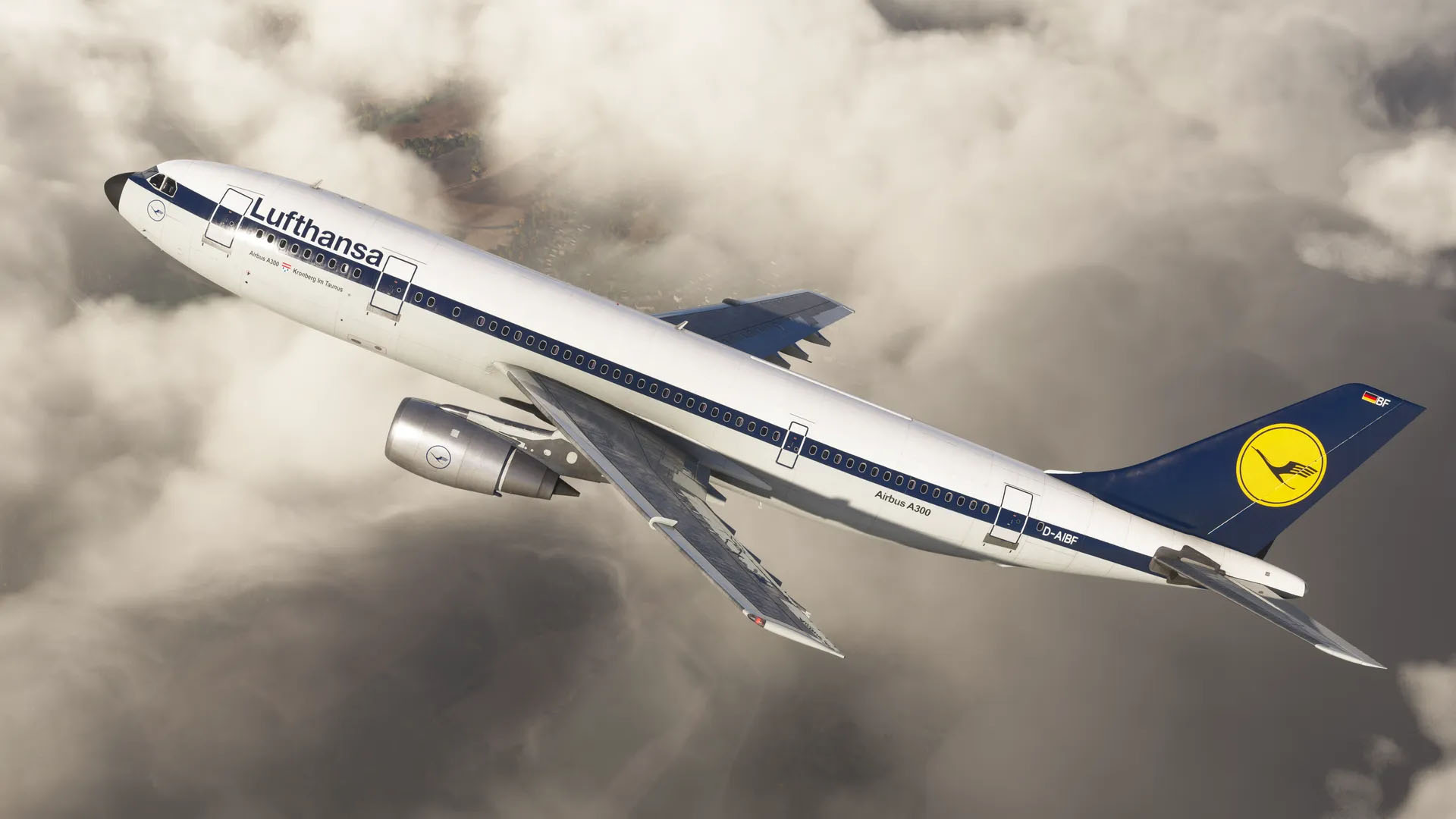
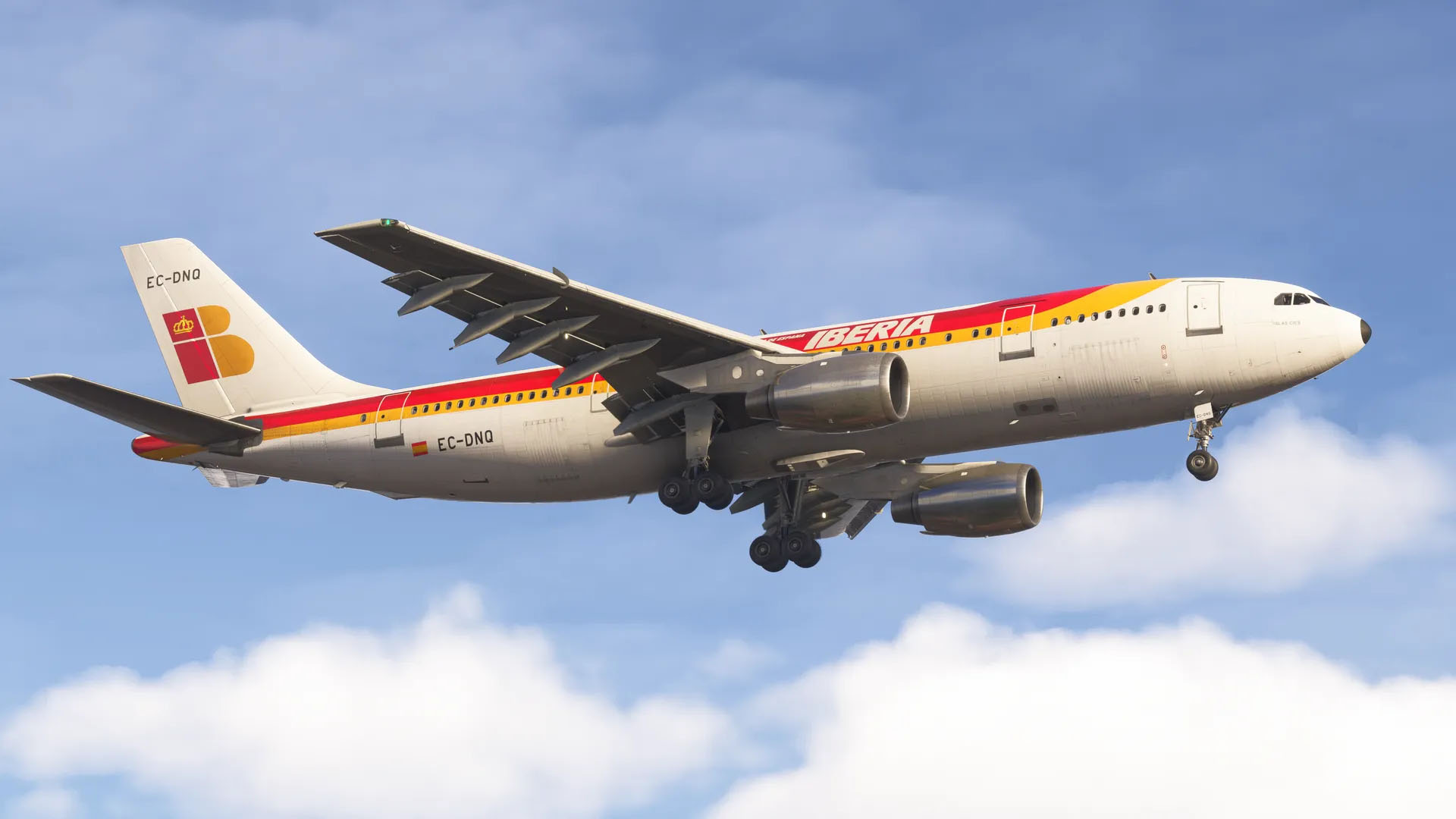
“Although we’ve remained relatively-tight-lipped about our A300B4 Professional this year, whilst much of our focus has been on our recently released F70 & F100 Professional, the artists and coders dedicated to this project have continued working at pace behind the scenes. As development has progressed substantially since our previous update, we’re excited to share more details about what will make this our most comprehensive airliner package yet. One aspect of the product that we’ve yet to share details about is the variants that will be included. At release, the package will feature six variants of Airbus’ breakthrough aircraft, covering both passenger and cargo configurations and two different engine types.
The passenger variants can be split into two different groups. Firstly, the GE-engined A300B4-103 and A300B4-203, both powered by CF6-50C2 engines producing up to 52,500 lbf of thrust. These proved to be by far the most popular variants of this Airbus A300 generation. Compared to their A300B2 predecessors, both aircraft benefit from the addition of a centre fuel tank, increased payload limits, and the adoption of an early ETOPS rating. Together, these improvements delivered a substantial increase in operation flexibility and range, significantly expanding the routes that could be served by a twin-engined airliner. From an operational standpoint, both variants perform similarly, however, manufacturing improvements introduced with the 203 variant enabled higher take-off and landing weights, further enhancing the aircraft’s capability and helping transform the A300 from a high-density regional people mover, to a versatile short-to medium haul airliner.
The A300B4-120 and A300B4-220 are the corresponding passenger variants powered by PW JT9D-59A engines producing up to 53,000 lbf of thrust. These variants were built in relatively small numbers, particularly when compared to their GE engined counterparts, making suitable reference material extremely difficult to obtain. Although sufficient documentation isn’t available to support a full high-fidelity simulation of the JT9D-59A engine type, we do recognise these variants as an important part of the Airbus A300 story. As such, the package will include accurate external JT9D-59A engine models together with a JT9D sound set.
Each of these variants will ship with a variety of high-quality liveries representing operators from across the globe. The A300B4 was flown by an impressive range of airlines, many of which never operated other members of the A300 family. As a result, the product includes many iconic liveries, some of which can be seen in screenshots in this update.
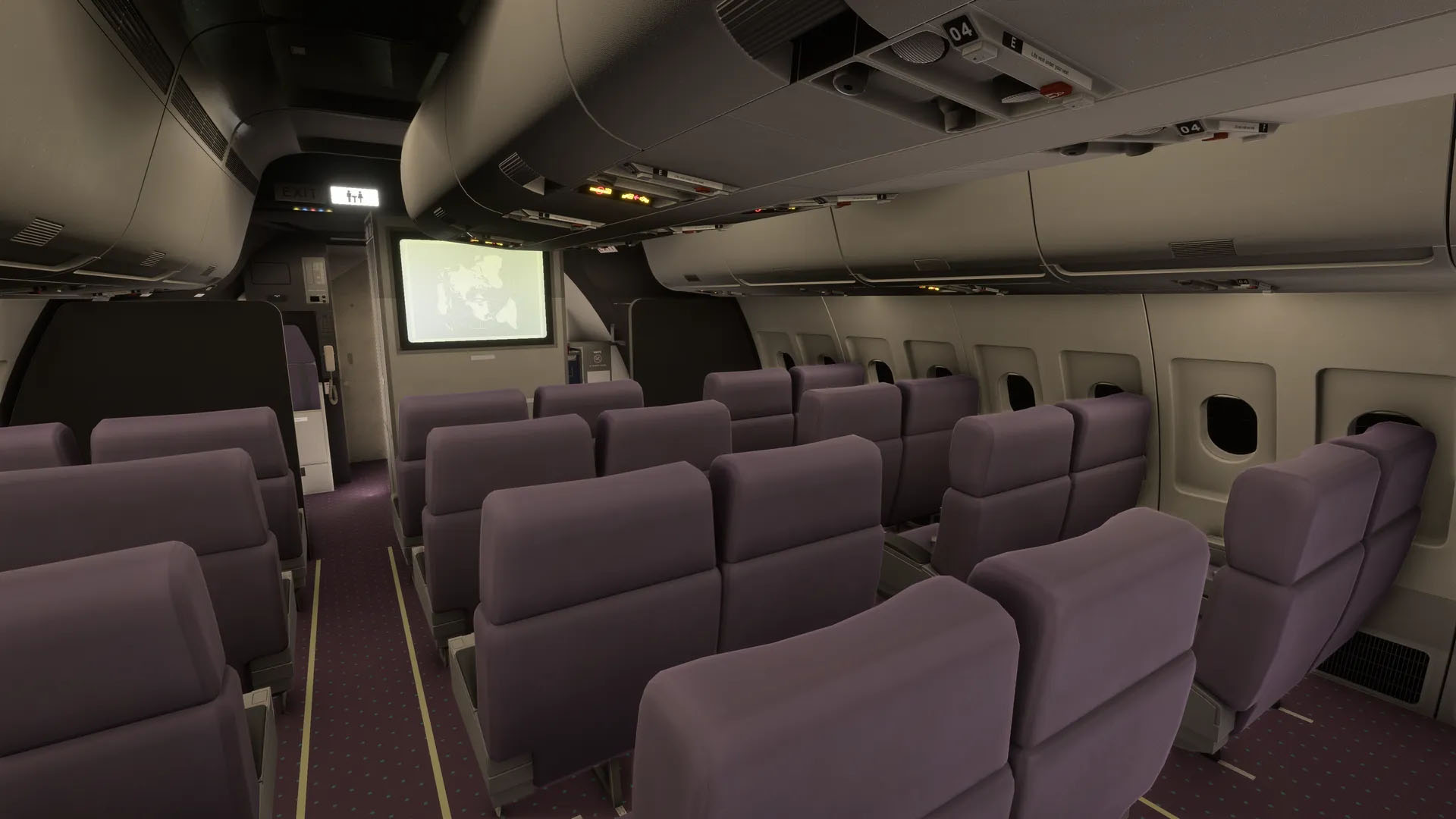
At release, each livery will also feature bespoke cabin textures which, you’ll have to trust us, feature some magnificent colour combinations! These cabin textures will be created closer to release once the painstaking process of researching each operator’s cabin has been completed. Rest assured, we’ll be sure to show them off alongside the other cabin features and logic in a future in-development update. Is that a projector…?
Completing the package are the A300B4-103F and A300B4-203F freighter variants, which, like their real-world counterparts, are converted from the passenger models. These freighters retain the same GE CF6-50C2 engines and fuel and payload capabilities as the passenger models, but incorporate significant changes to the fuselage, structure, and aircraft systems. Freighter-specific systems, including unique cockpit panels and controls, are fully simulated, while the freighter model itself remains in active development. A preview of the freighter cabin can be seen in this screenshot, and we’ll be sharing more details on these variants, as well the differences between the passenger and freighter variants, closer to release.
Elsewhere, our artists continue to work closely with our testing team, implementing fixes and refinements as development progresses. We are also continuing to expand our testing team and are currently recruiting additional testers for the A300B4 Professional. If you have real-world experience with the Airbus A300B1, A300B2, or A300B4, we’d love to hear from you. You can apply using the following link.
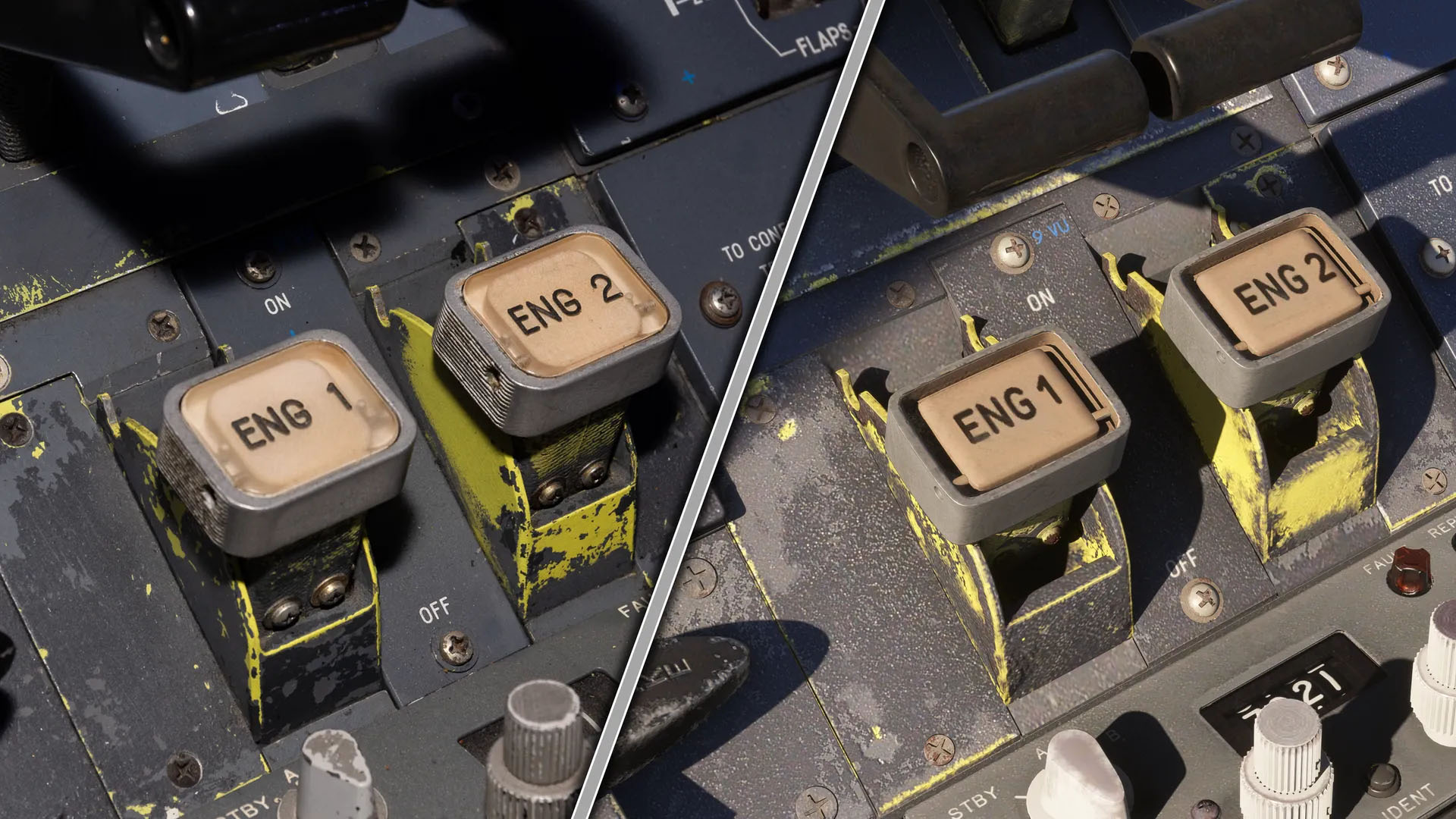
As we’ve demonstrated with our previous MSFS products, we consider artwork to be just as important a part of the overall experience as the aircraft’s systems, sounds or flight model. It doesn’t feel right to us to deliver a classic airliner with a cockpit that looks fresh from the factory. Instead, we aim to recreate an aircraft that feels like a true workhorse, one that has spent years earning its keep in airline service.
In the cockpit, our artist has gone to great lengths to faithfully recreate the appearance of our reference aircraft, right down to the accurate placement of wear and tear. This screenshot is just one example of the level of detail being incorporated throughout the cockpit.
The exterior texturing follows a similar philosophy, with our livery artist going to great lengths to incorporate era-specific decals, and different levels of weathering and patchwork based on reference photos of each operator.
From the systems perspective, the aircraft systems are feature complete and they have been undergoing intensive testing in recent months. Our coding team have recently wrapped up work on the aircraft states, allowing users to instantly configure the aircraft in a number of states (which is no small task ensuring all switches in a three-person cockpit are set correctly!) as well as progressing work on the automated flight engineer feature.
A quirky aircraft like the A300B4 has generated more than a few “gotcha” moments during testing, with bugs being reported that turned out not to be bugs at all. Some of these reports are excellent demonstrations of the depth of systems simulation. For example, a relatively low APU N1 indication after APU start is intentional, as the APU N1 varies based on system load, so when the APU Generator is OFF and the APU Bleed is CLOSED, the APU is running under minimal load. During pushback, intermittent anti-skid warnings may be generated at approximately 3 knots as the anti-skid system becomes confused with the negative wheel rotation. The standby altimeter animation is intentionally sticky when there is no electrical power, as the standby instrument vibrators are simulated and cannot function with insufficient electrical power. If the speed brakes are extended at high airspeeds, aerodynamic forces can overcome available hydraulic pressure and begin forcing them back towards the retracted position.”
If you’d like to read more flight simulation news, you can find plenty in our previous roundup article from yesterday.
If you want to go further back, we have a handy overview video of the major flight simulation news in the past week. You can watch it below. As usual, leaving a like and a comment and subscribing to our growing YouTube channel is extremely helpful.
While Simulation Daily is owned and financed by Orbx Simulation Systems, its staff is afforded full editorial independence and will strive to cover products from all companies and developers impartially. Check out our editorial policy.