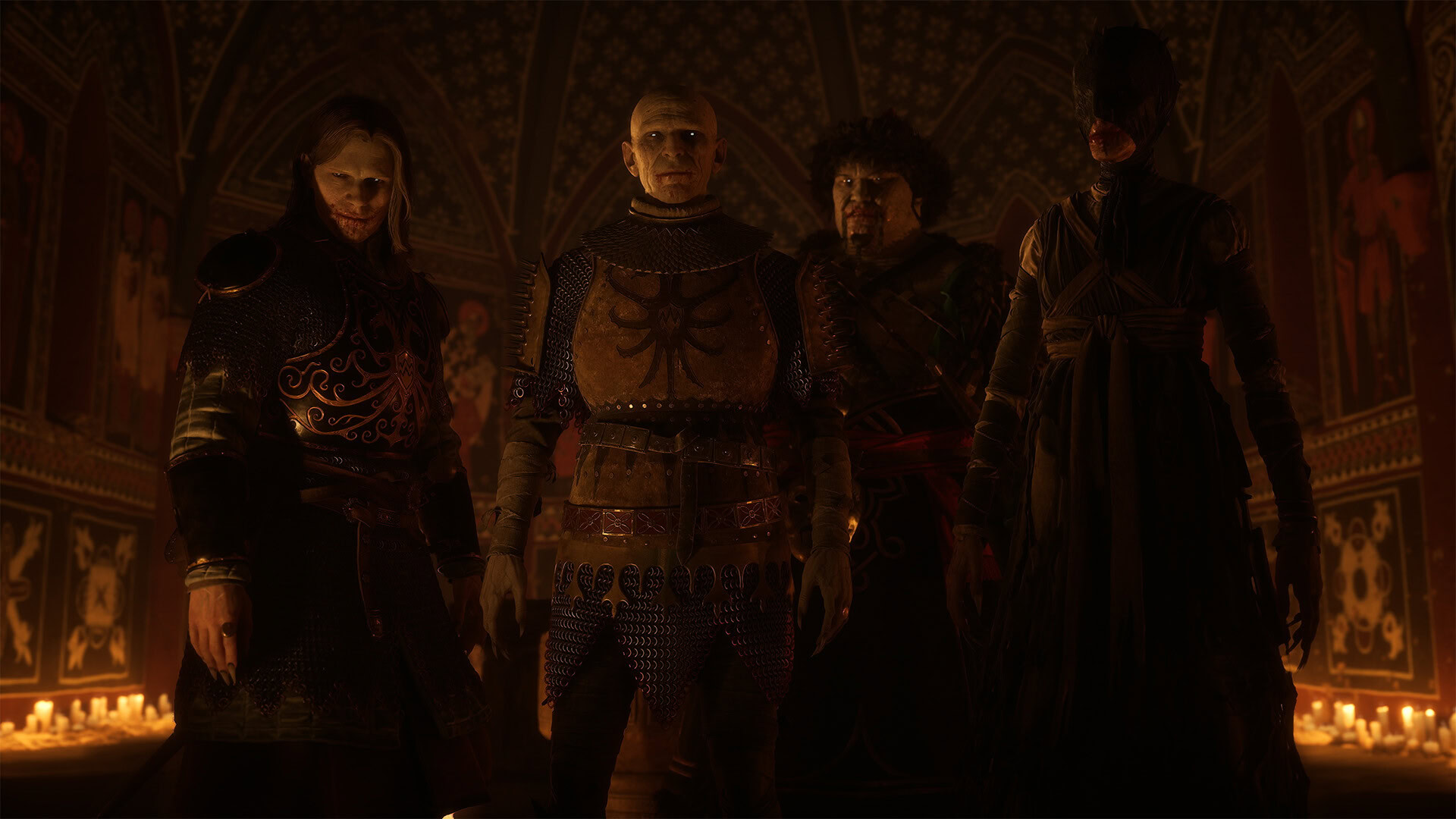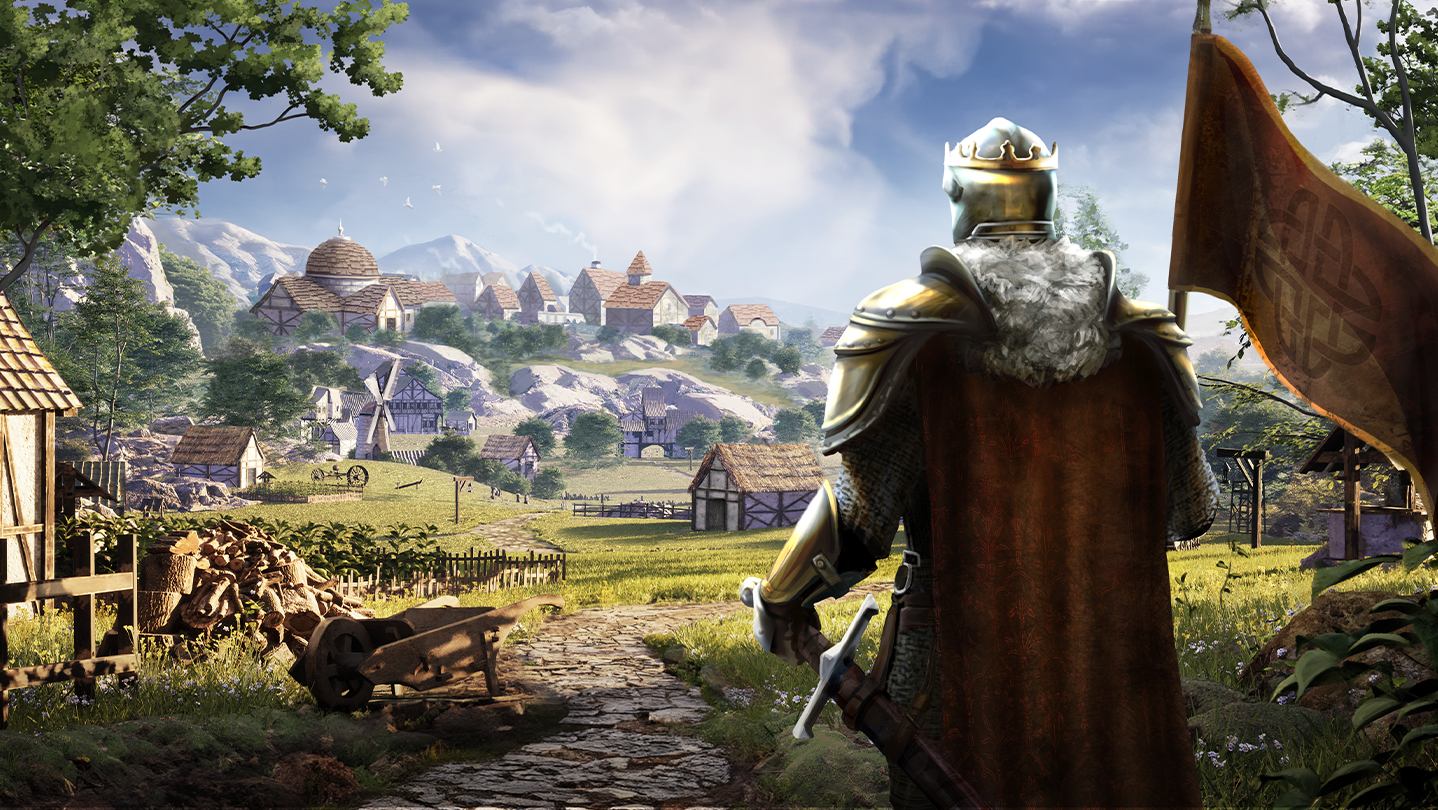
Today, Long Jaunt Studio and Hooded Horse revealed their second half plans for the 2026 development roadmap for Norland.
The roadmap is set to focus on deepening late-game experiences, global map mechanics, complex internal politics, and tactical combat, shifting the development scale toward macro-management and historical role-playing.
The early access version of Norland has evolved enough to support a unified Event Director system, similar to RimWorld’s storyteller, which will help create a more varied and engaging experience. Its main role is to fill quieter moments with meaningful activity while preventing both runaway disasters and long stretches of minimal challenge.
Norland’s late-game systems is also expanding to support a deeper and more realistic feudal society built around villages, barons, and evolving economies. As cities advance technologically, basic industries like logging, farming, and alcohol production will become less profitable, encouraging players to relocate them to villages that require less long-term support.
Advanced industries will depend on a new craftsman class responsible for operating weaponsmiths, alchemical laboratories, and other specialized businesses. Craftsmen will be expensive, limited in number, and require a higher quality of life, making economic planning more important in the late game.

A new service economy will also emerge through buildings, such as bathhouses, theatres, luxury shops, and apothecaries that rely heavily on crafted goods. Wealthy travelers and pilgrims will visit cities to use these services, gradually transforming settlements from rural production hubs into trade-and-craft economies without dramatically increasing city size.
Future updates will further expand these systems through guild specialization and the introduction of baronies tied to villages. These baronies will provide lords with independent income, private armies, and greater political influence within the feudal hierarchy.
Players who prefer peaceful gameplay over conquest will eventually gain access to a nonviolent victory condition centered around constructing a massive University super-project. Meanwhile, the global map is being expanded through systems such as Worldviews, Lands, Dukes, and internal political mechanics.
Worldviews in Norland will shape rulers’ beliefs, diplomatic preferences, and responses to wars and peace treaties, creating more varied political behavior across the map. One worldview, the Fanatics, will be deeply tied to the game’s religious systems by following the Matriarch’s opinions completely.
Several culturally and ideologically similar provinces will be grouped into larger political regions known as Lands. Because rulers will distrust foreign cultures and worldviews, managing these regions effectively will require appointing Dukes to oversee distant vassals.
Dukes in Norland will act as intermediaries between rulers and foreign Lands, increasing stability while collecting a share of regional tribute. However, their growing wealth and loyalty from vassals may also make them dangerous political rivals capable of leading major rebellions.
Internal politics are also being redesigned so players can rise to power within existing states rather than always creating their own kingdoms. Crowns may change hands through rebellions, wars, or alliance elections, allowing ambitious players to become rulers after beginning as ordinary vassals.
Long Jaunt also plans to add customizable starting maps, improved combat systems, formations, advanced siege mechanics, and tactical warfare centered around roads, chokepoints, and fortified cities. Proper sieges will replace brute-force assaults, increasing strategic depth while creating more balanced offensive and defensive gameplay.
Norland is currently available on Steam Early Access for PC and is scheduled to get a full release at some point in 2027.