Flight Simulation developers shared news today, including aircraft and airports for Microsoft Flight Simulator 2024, MSFS 2020, and X-Plane.
Before we move on with the news, below you can find a story that received its own individual coverage.
We also published the 34th episode of “This Week in Flight Simulation News,” which you definitely should watch to catch up on any major news youn may have missed in the past seven days.
Without further ado, I leave you with the news.
Boeing 737 by PMDG for Microsoft Flight Simulator 2024 Reveals More Features









Following yesterday’s announcement of the release date, PMDG revealed more features coming with the MSFS 2024 version of the Boeing 737-800.
Here’s what we’re getting.
Documentation
- Instead of flat PDFs, all documentation is delivered via an interactive e-learning platform that includes audio and video and is fully usable on smartphones, tablets, and PCs.
Doors
- Transient overwing-exit warnings are possible due to the slow-latching hatch-lock mechanism.
- Faulty, obstructed, or misaligned sensors are the most common cause of ground door warnings. Cycling the door open and closed usually resolves the issue. If not, takeoff is inadvisable.
- When GROUND OPERATIONS is enabled, flight attendants manage door arming, disarming, opening, and closing automatically at the appropriate times.
- Door-arming systems are animated, including the arming indicators located at the bottom of each door.
Electrical System
- You can choose between a single-battery or dual-battery configuration.
- You can fail any bus on the airplane and experience the appropriate system consequences.
- The Generator Control Breaker requires multiple DC power sources to operate. Therefore, if certain DC buses fail, you may be unable to reconnect a specific generator to the system.
- You can run a realistic BITE test on the electrical system.
- The 737 features a real-time, live amperage consumption model. Every system on the aircraft has its real-world electrical consumption tracked in real time. Many items use only 0.005 amps, but because the airplane has thousands of electrical consumers, the demand shown on the overhead electrical meter accurately reflects total power usage. When switching high-load equipment, such as hydraulic pumps or recirculation fans, on or off, you will see a corresponding change in generator amperage.
- The aircraft will power down differently depending on whether the APU has been recently operating.
- During full power-down, you will notice that after selecting the battery OFF, some annunciator lights remain illuminated for a short time before ELMS fully removes power and the cockpit goes completely dark.
- When started, the aircraft’s generators undergo a complex self-test sequence.
- During an Autoland, if the left engine fails in LAND 3, the aircraft will remain in LAND 3. If the right engine fails during LAND 3, it will degrade to LAND 2. This is because the aircraft can maintain three electrical power sources if the left engine fails, as the battery charger draws its power from the AC Main R bus. If the right engine fails, the bus becomes momentarily unpowered, causing the battery charger to drop offline. Some airlines purchase a pin option to prevent this behavior, but yours may not have opted for it.
- The Electric Load Management System (ELMS) and its reconfiguration and electrical protection logic are fully modeled.
Engines
- Spool-up behavior, including characteristic 737 N1 overshoot, is accurately modeled.
- If failures are enabled, monitor engine oil pressure/temperature, EGT, and vibration regularly. Unhandled failures can cascade: for example, an engine oil leak may cause a generator failure, an oil pressure failure, increased vibration, rising fuel flow, and ultimately complete engine seizure.
- Failures such as ENG OVHT are dynamic and will trigger slightly differently each time, requiring proper use of the checklists to resolve them.
Failures
- Unhandled failures can cascade. For example, an engine oil leak may cause an electrical generator failure and an oil pressure failure, and then—probabilistically—lead to increasing vibration, higher fuel flow, and eventual engine seizure.
Fire Controls – Engines
- Bottles and squibs are tracked individually. If you discharge a bottle for one engine, it cannot be used for the other.
- Fire bottle squibs can fail during testing. If this occurs, you should detect it during the TEST function. Missing such a failure during preflight can have serious consequences if fire suppression is later needed.
- Engine overheating may not always require shutting down the engine, but you must follow the ECL to determine the correct action.
- If the engine/APU fire detection system is faulty, crew misconfiguration may allow an overheat or fire condition to go undetected.
Flight Controls and Flight Surfaces
- All trimming actions are fully custom-coded and independent of the simulator. The aircraft uses three trim speeds (dual hi/lo, single hi/lo), depending on configuration and system status, accurately matching the real aircraft:
- Low speed = flaps up
- High speed = flaps down
- A/P = trim at half speed
- Speed trim will operate automatically during manual flight, especially after takeoff. The FCC may automatically trim the aircraft—sometimes against your control column input. Speed trim authority increases at low IAS, high N1, and with flaps extended. If you override with electric trim, the system will resume after 5 seconds.
- Mach trim effects are visible externally when crossing Mach 0.615 as the elevator’s neutral point shifts.
- Rudder and aileron trim physically deflect their respective control surfaces. Control inputs are intercepted and interpreted by PMDG’s logic, with variable control “weighting” applied as needed. For example, with hydraulic pressure lost, the aircraft becomes extremely difficult to fly—consistent with real-world behavior.
- Electric trim operates at realistic speeds. It is intentionally slow, particularly with flaps up. FCC and electric trim rates are modeled precisely. Users accustomed to faster trim responses in other simulators may find it unusually slow, but this is realistic.
- Flap deployment speed varies with system mode. Using ALTERNATE or SECONDARY flap systems results in extremely slow travel, and in some cases, restricts available flap range.
- Aerodynamic forces limit rudder travel at higher IAS, preventing full deflection. This accurately models the Q-System’s yaw-stability logic. Despite these limits, the rudder provides adequate authority for de-crab or sideslip landings in high crosswinds.
- Overspeed protection logic for wing flaps is fully modeled.
- Trailing edge flap deployment speed is affected by hydraulic pump flow.
- Engine-driven pumps flow ~37 gpm
- Electric pumps flow ~5 gpm
- Thus, flap movement on electric power alone is significantly slower. With the right engine inoperative, expect trailing edge flap extension to take much longer. ALTERNATE flap extension is extremely slow (approximately 2:39 for full range).
- All flight control modes include correct spoiler logic for both air and ground modes.
- The horizontal stabilizer flexes realistically due to engine exhaust, turbulence, and spoiler deployment.
- In windy conditions, the rudder will move without hydraulic power.
FMC
- You cannot enter a cruise altitude lower than the highest altitude restriction.
- With a CLIMB restriction, the entry is rejected with an ALT CONSTRAINT AT XXXXX message.
- With a DESCENT restriction, the cruise altitude is automatically raised with a CRZ ALT CHANGED TO YYYYY message.
- You cannot enter an altitude restriction (or select a procedure containing one) higher than the current cruise altitude.
- The FMC assumes a monotonic climb/descent profile. Altitude monotonicity is enforced; irrational speed restrictions are permitted but will be ignored unless the VNAV IAS target error exceeds 10 knots, at which point a CDU message appears.
- Flight path predictions depend on entered winds and ISA deviations. In flight, the FMC blends (“mixes”) actual and forecast winds to compute its final values.
- VNAV will not command speeds exceeding:
- Vmo−5 / Mmo−0.01 in climb/cruise
- Vmo−10 / Mmo−10 in descent
If flaps or gear are extended, the limit is the placard speed minus 5 knots.
With leading-edge devices extended, speed is limited to the lower of placard−5 or 230 KIAS.
- If the CRZ Mach target is below Mach 0.60, internal calculations remain in Mach units, but the CDU and VNAV targets display IAS.
- A cost index entry is required for vertical path computation. A constant cost index does not necessarily yield a constant cruise Mach number.
- Soft speed restrictions (e.g., 180B/, 230A/) are permitted if they do not violate monotonic altitude logic.
Fuel System
- Emergency power packs are attached to the engine and Spare Valves to close fuel shutoff valves in an emergency.
- FMS fuel quantity will always read slightly higher than FQIS—an idiosyncratic 737 behavior.
- Center Wing Tank capacitance-related quantity variation during climb/descent is modeled accurately.
- Fuel density varies regionally and seasonally. The PMDG refueling model uses real-world global averages. In regions with low fuel density, the tanks may volumetrically “fill” before reaching the expected fuel weight—mirroring real long-haul limitations. Density is highest along the US West Coast, falls across Europe and the Middle East, bottoms out near Beijing, then increases again.
- When density is too low to achieve the full fuel weight within the tank volume, the density is shown in reverse video.
- Low center-tank fuel can intermittently trigger the low-fuel sensor as it sloshes around the pump scuppers. Nuisance alert suppression (as on the real aircraft) will often prevent crew alerts.
- Fuel sensors are not positioned at the longitudinal center of the tanks, so the pitch attitude will affect the indicated quantity.
Beechcraft T-34 Mentor Announced for Microsoft Flight Simulator 2024
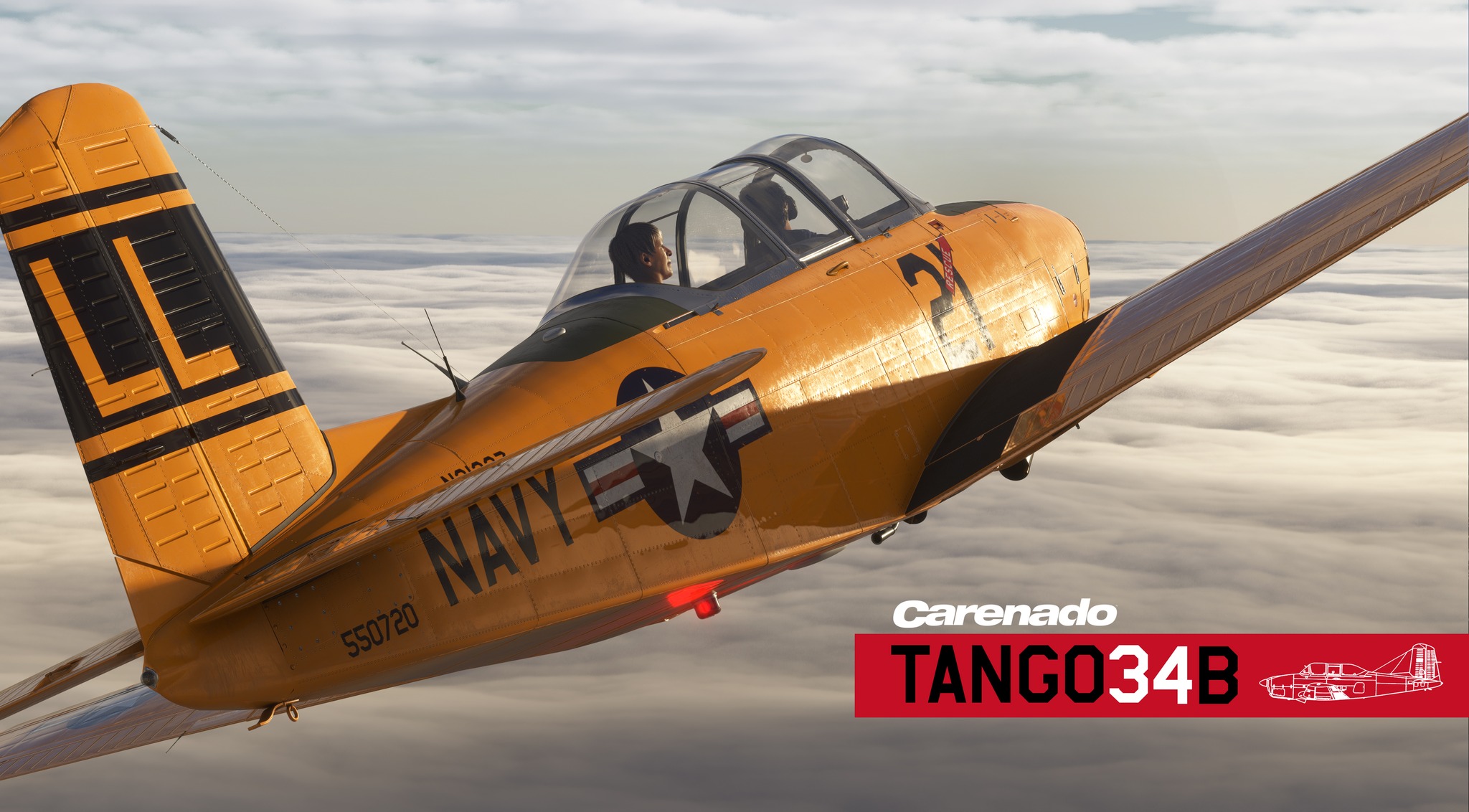
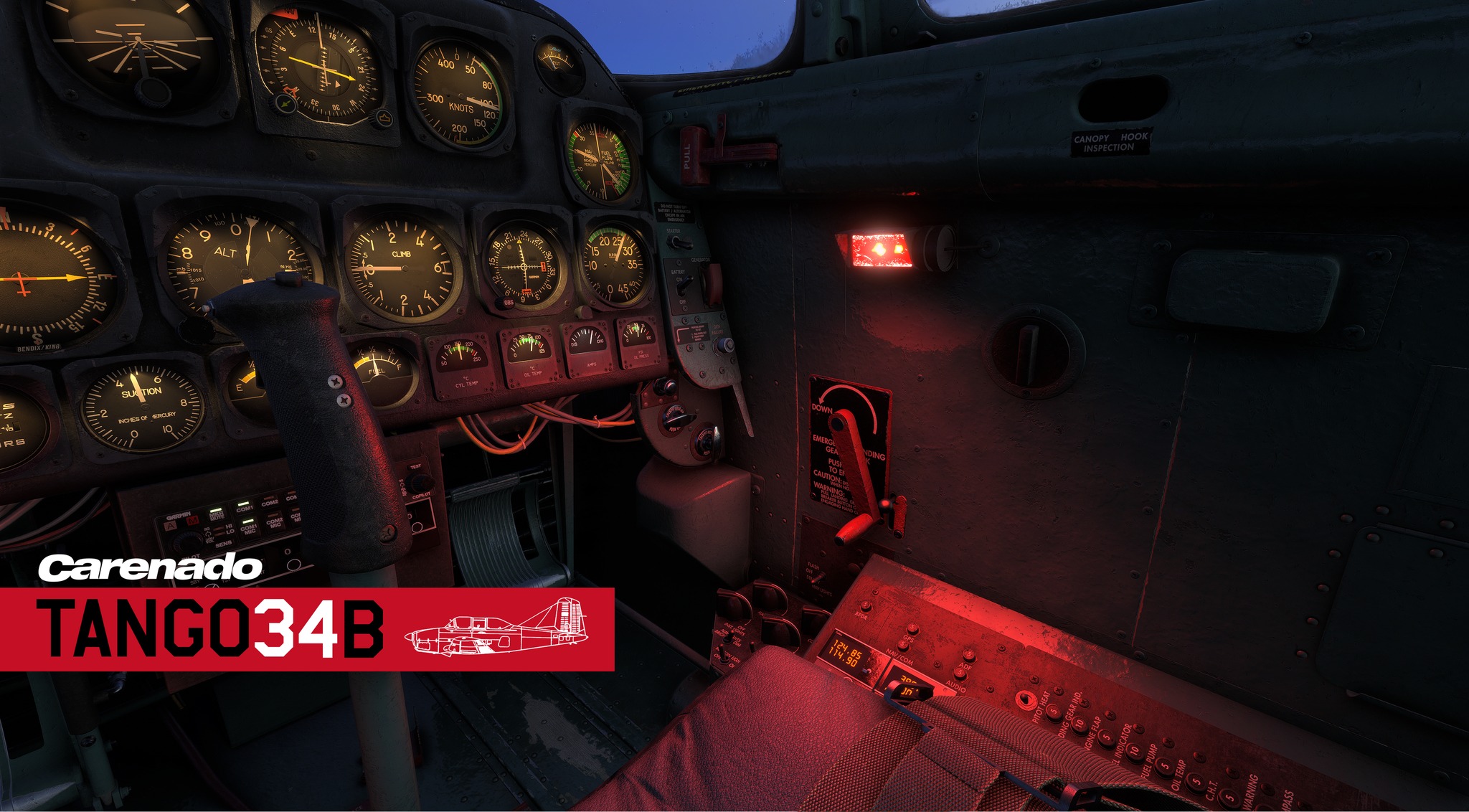
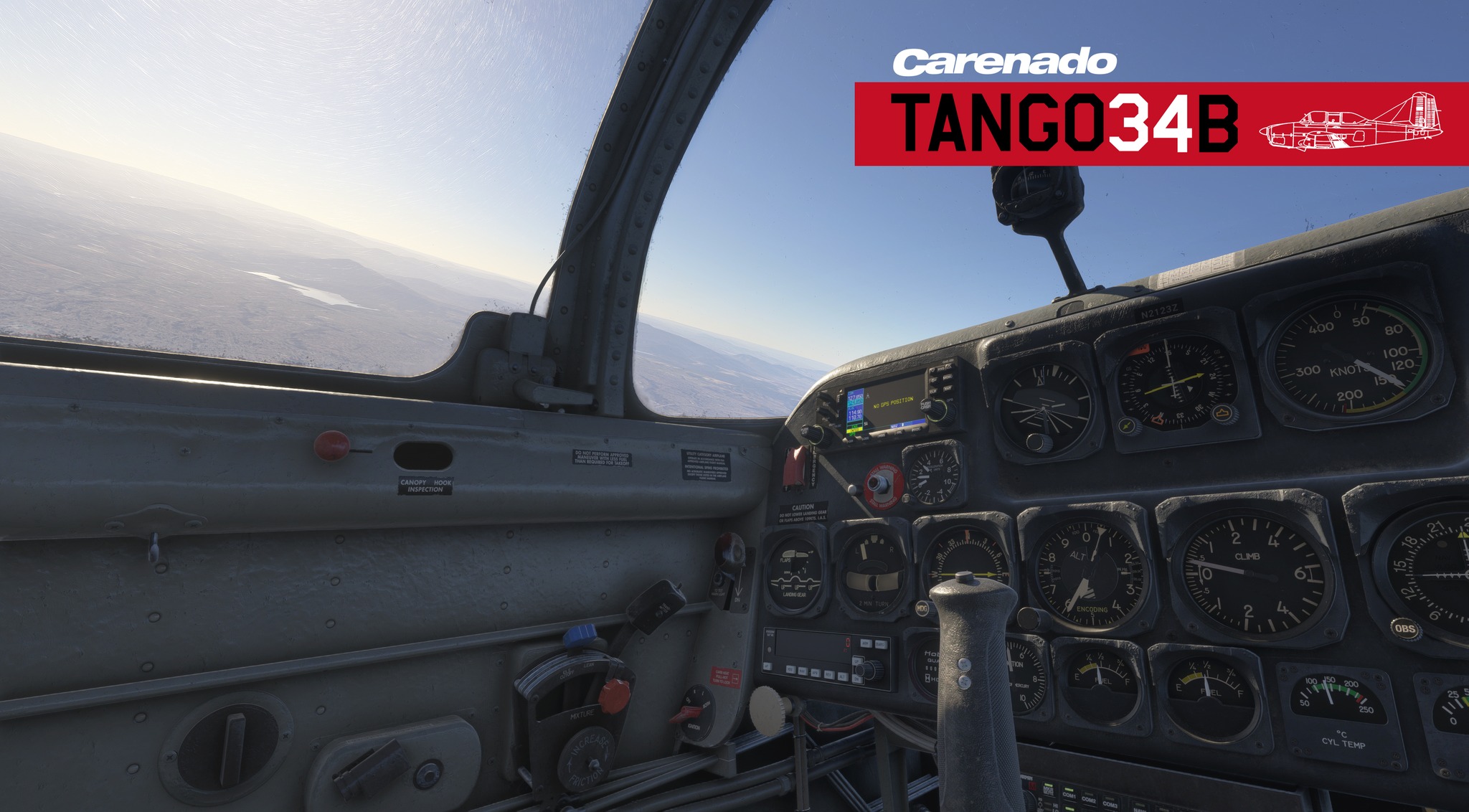
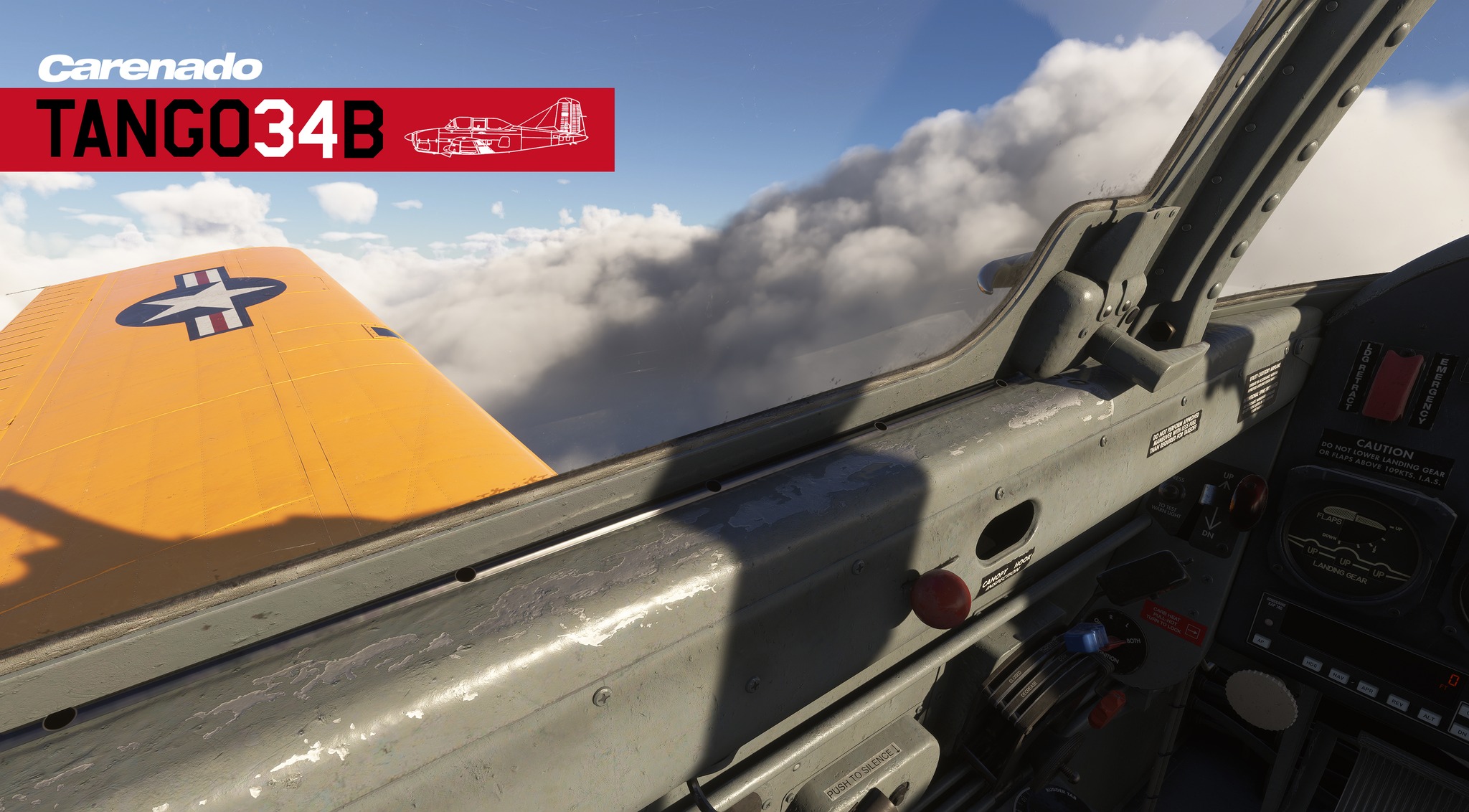
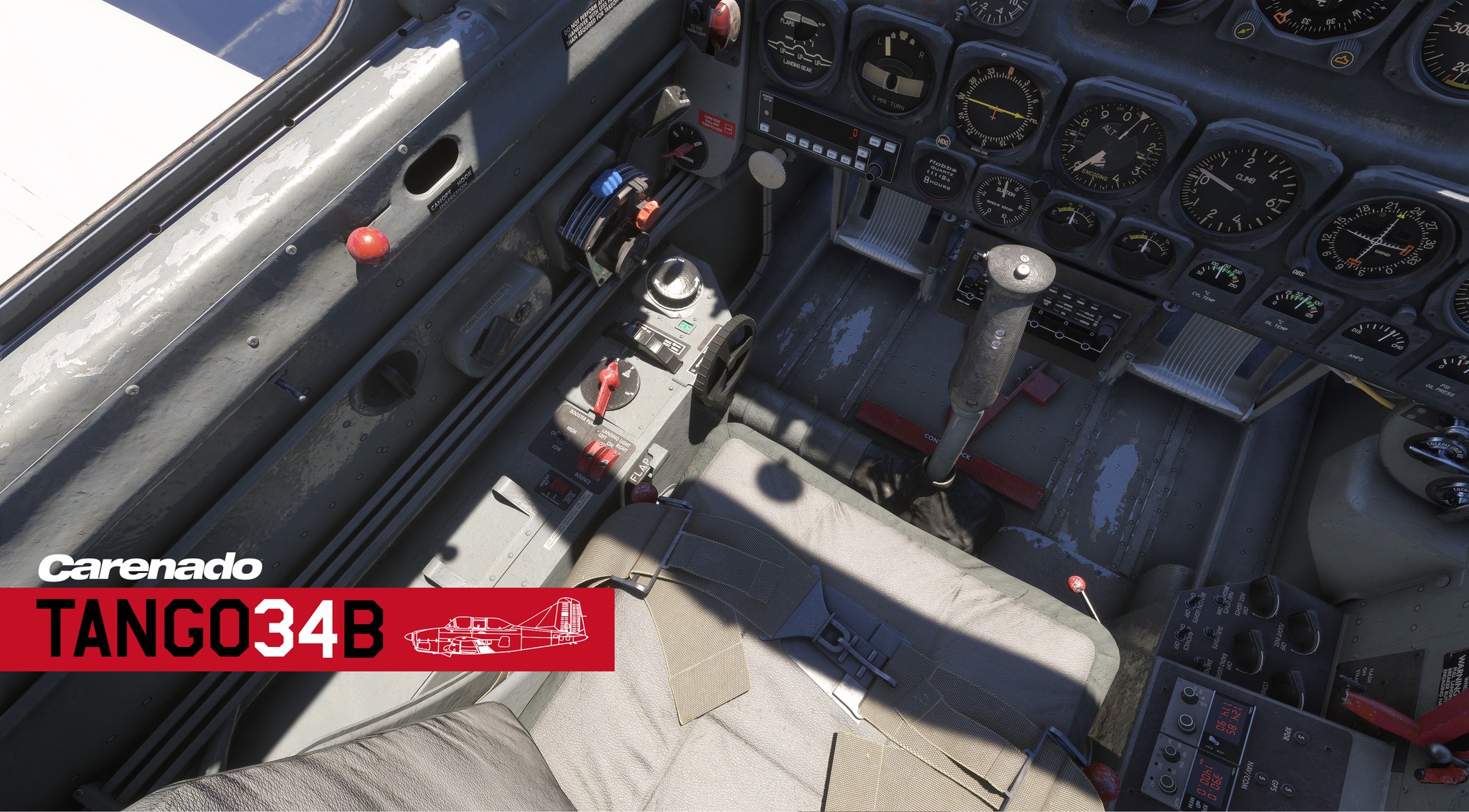
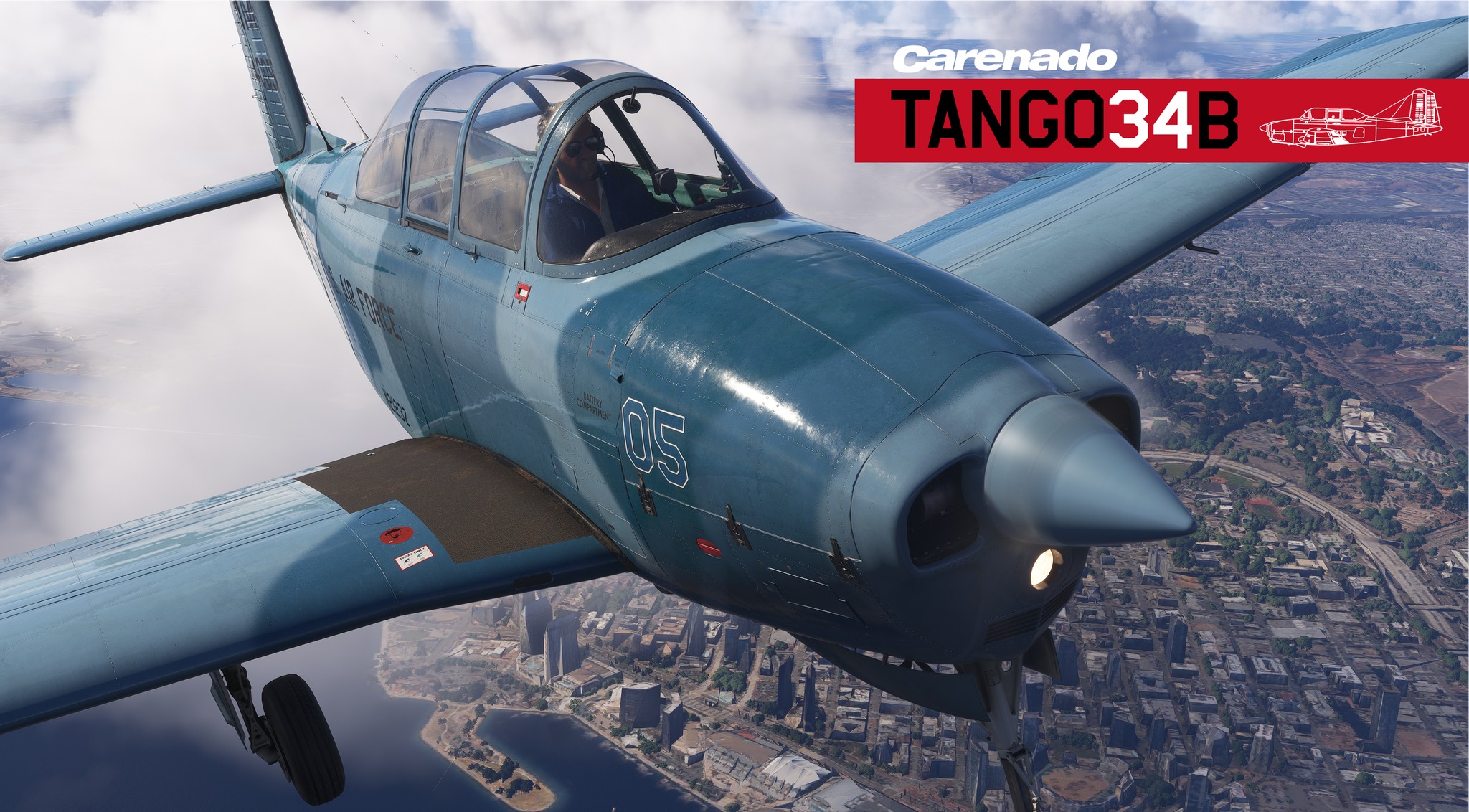
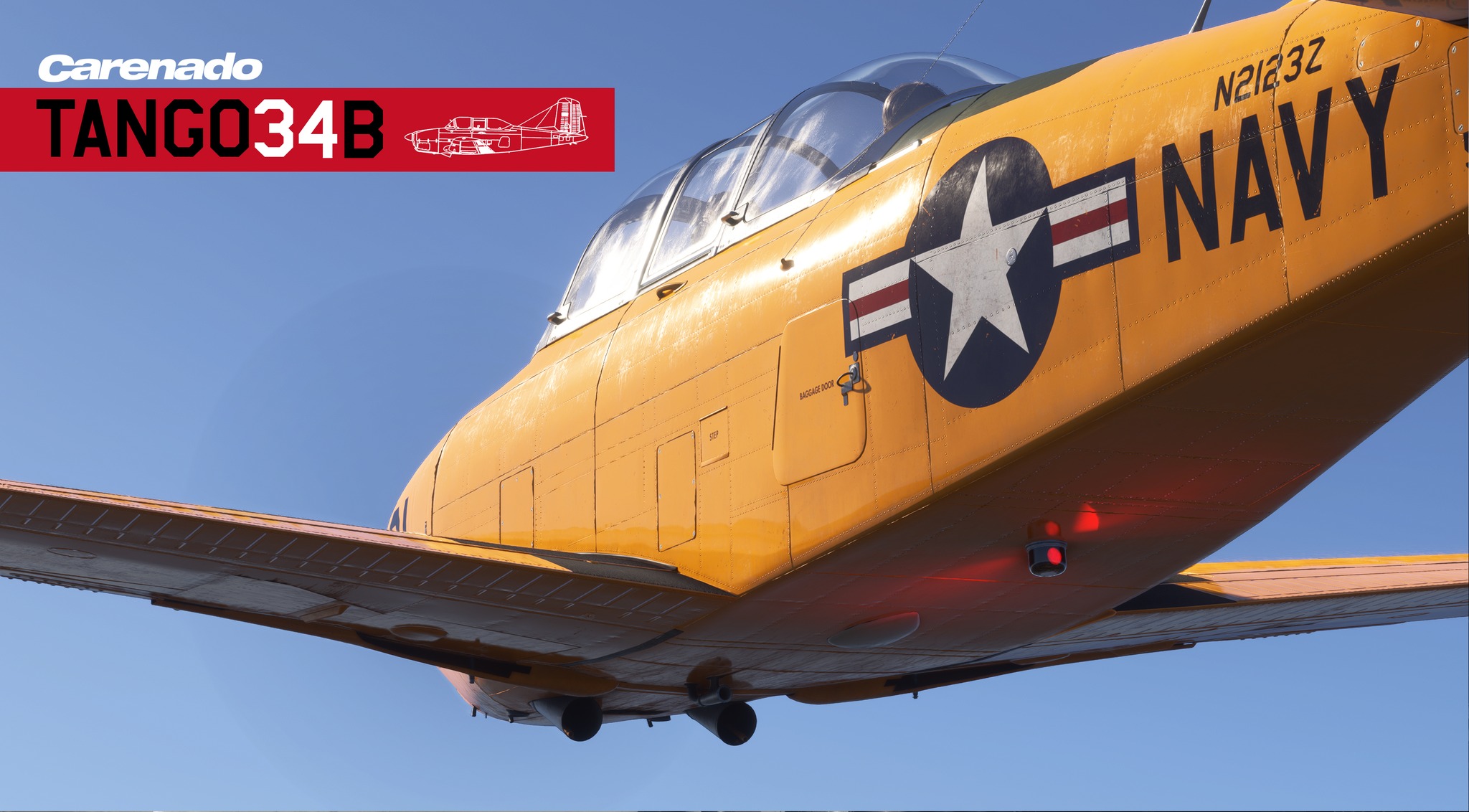
Carenado announced another aircraft for Microsoft Flight Simulator 2024, and it’s the Beechcraft T-34 Mentor, renamed “Tango34B,” likely to dodge licensing issues as usual.
A release date has not been announced, but the cycle between announcement and release is usually quite brief for this developer.
Eurofighter Typhoon for Microsoft Flight Simulator Released
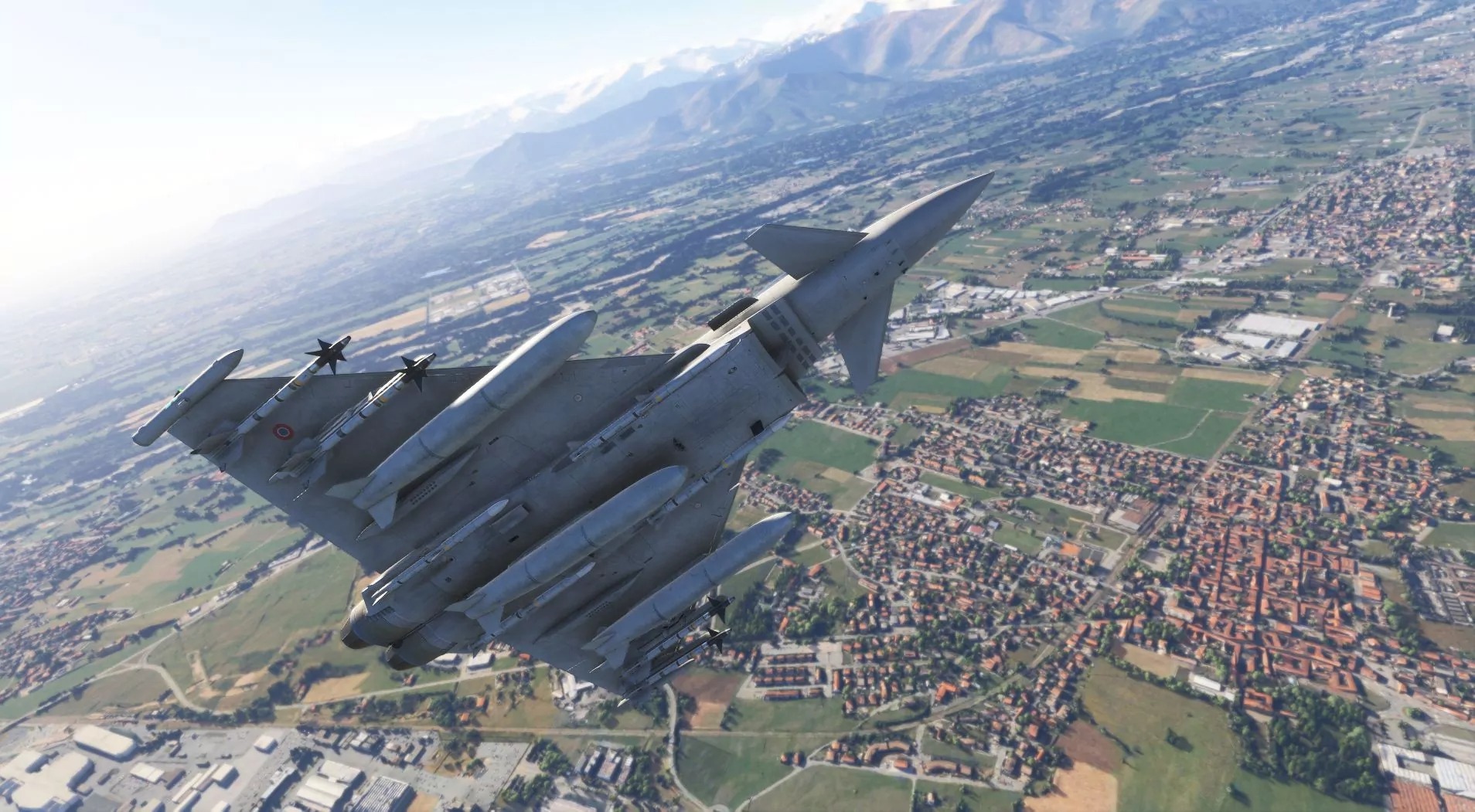
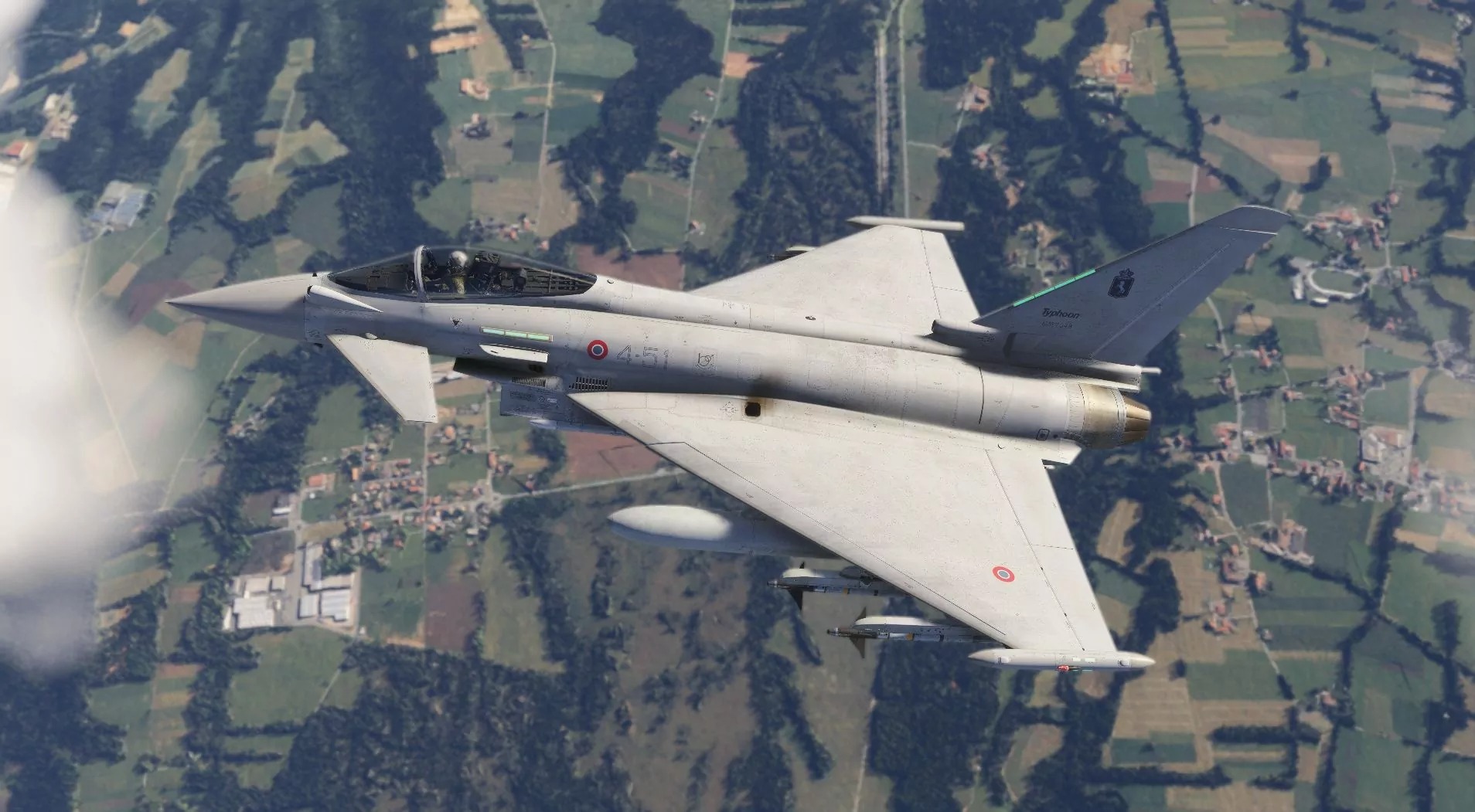
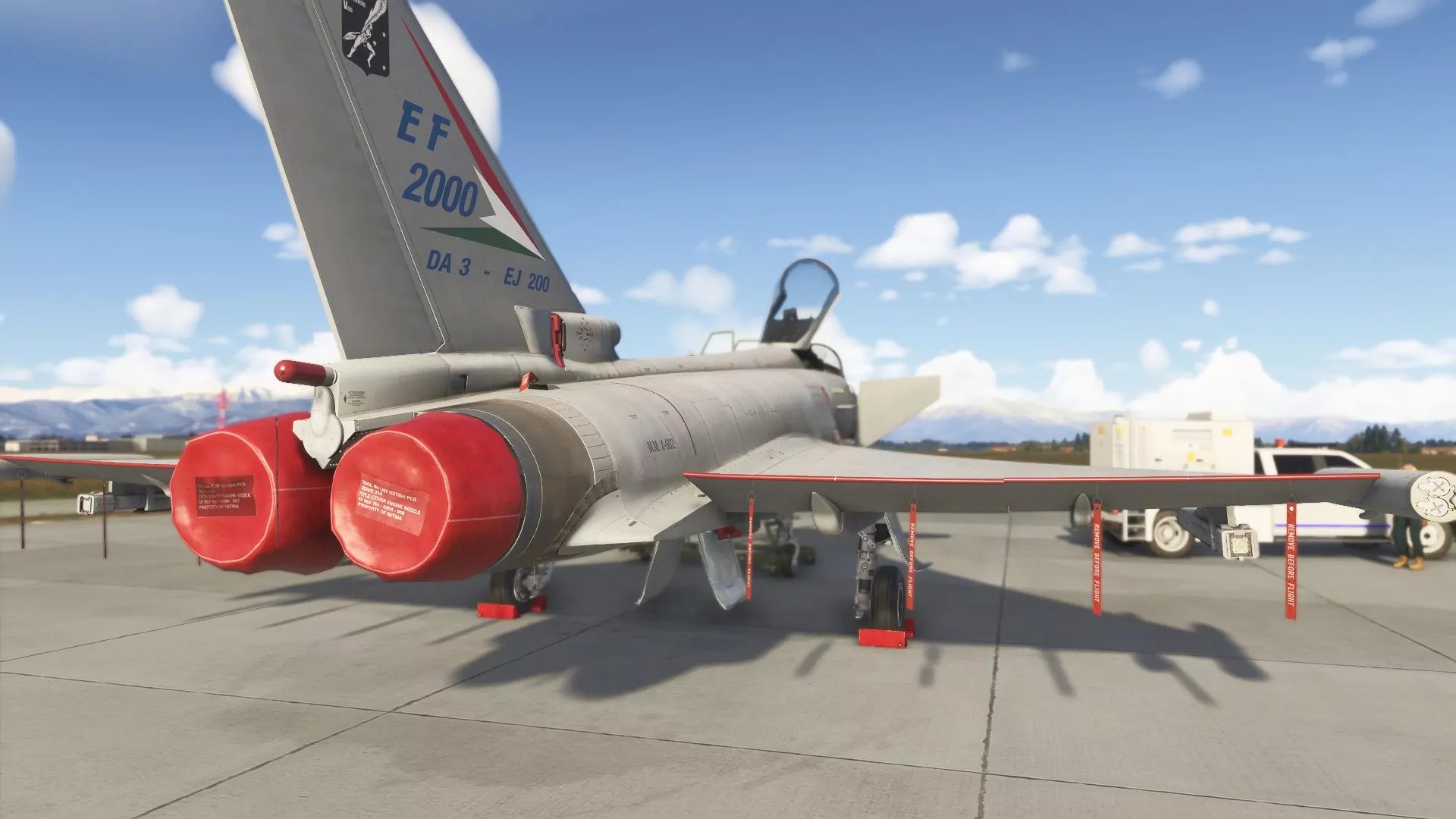
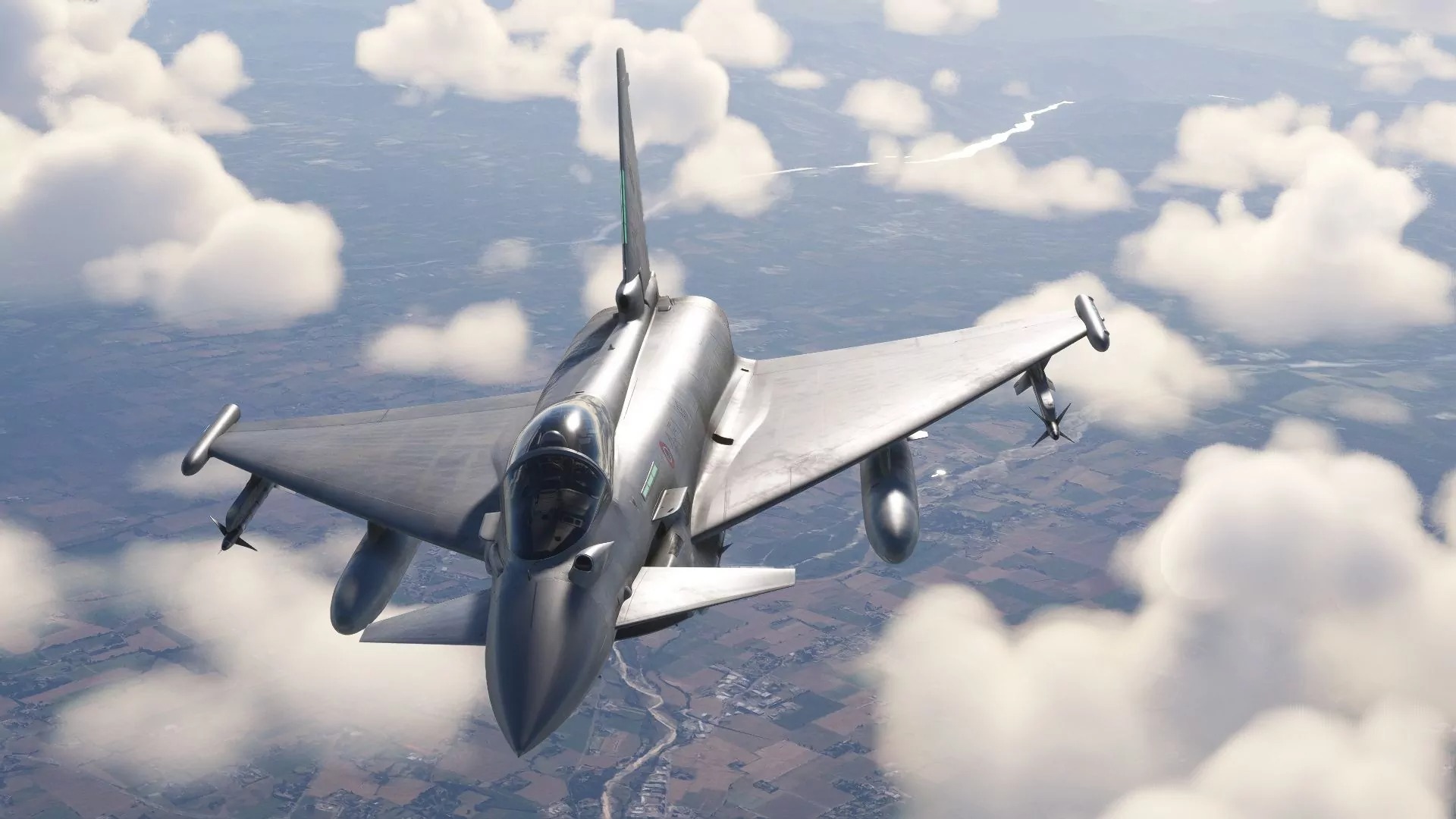
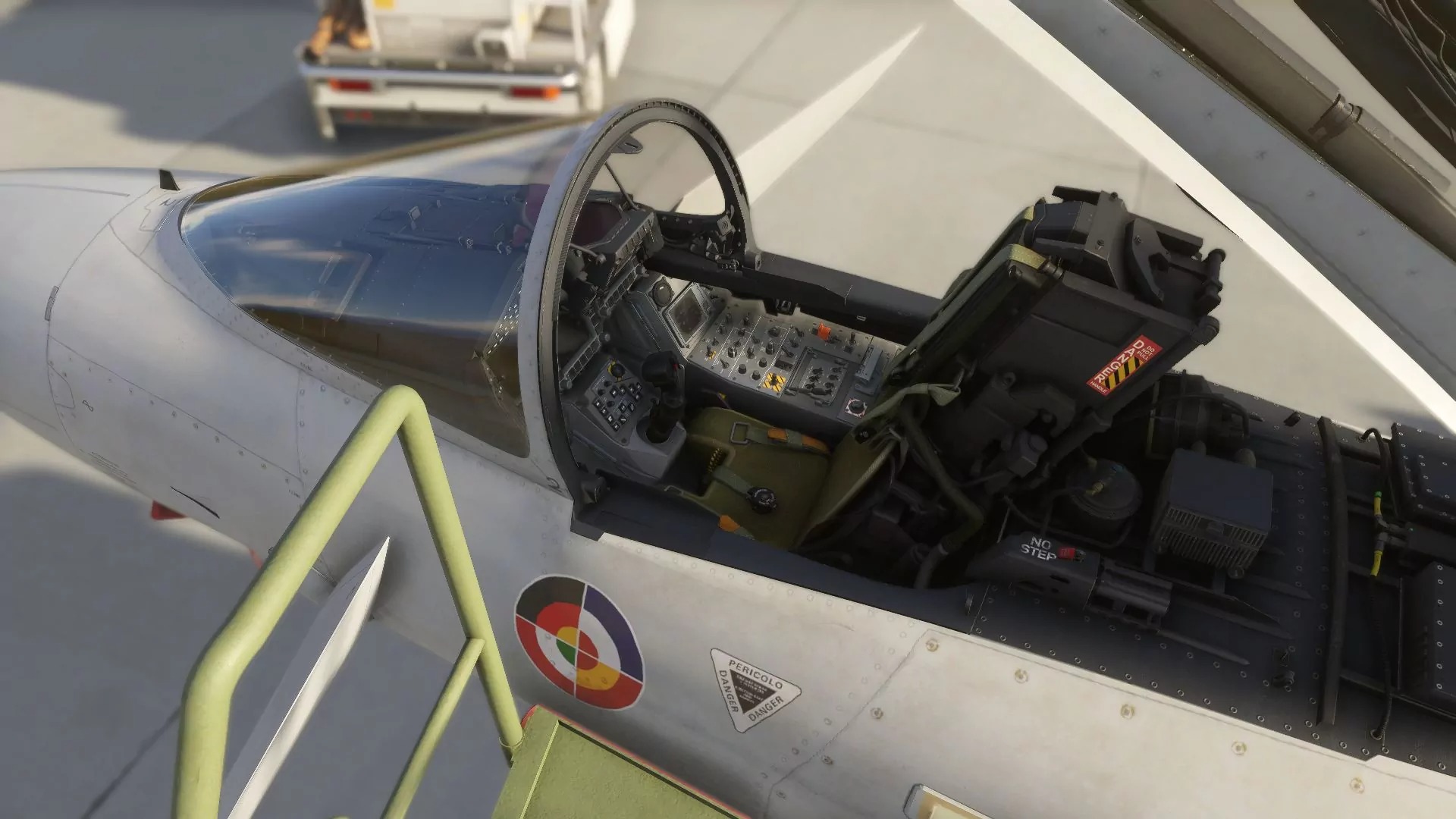
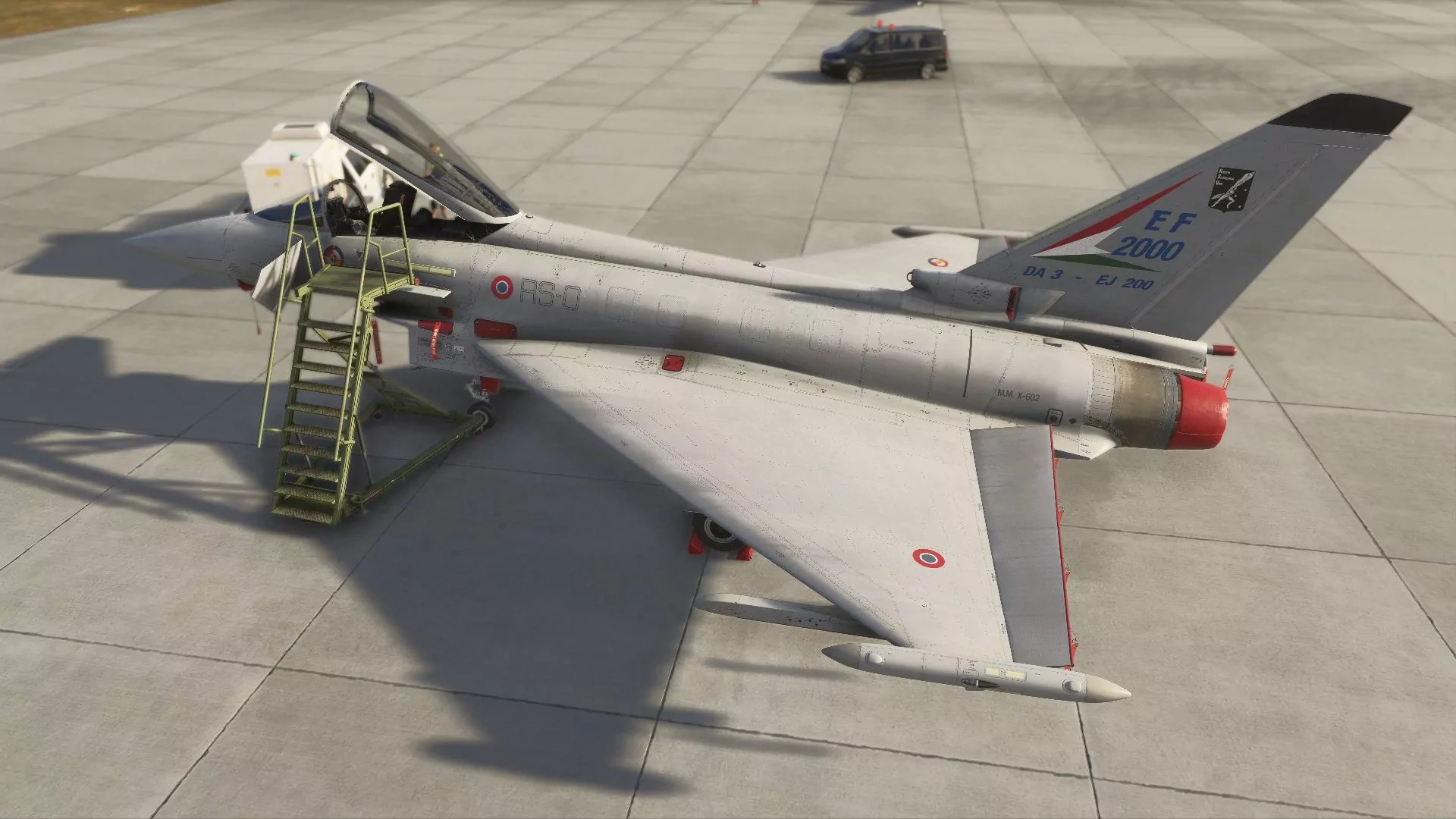
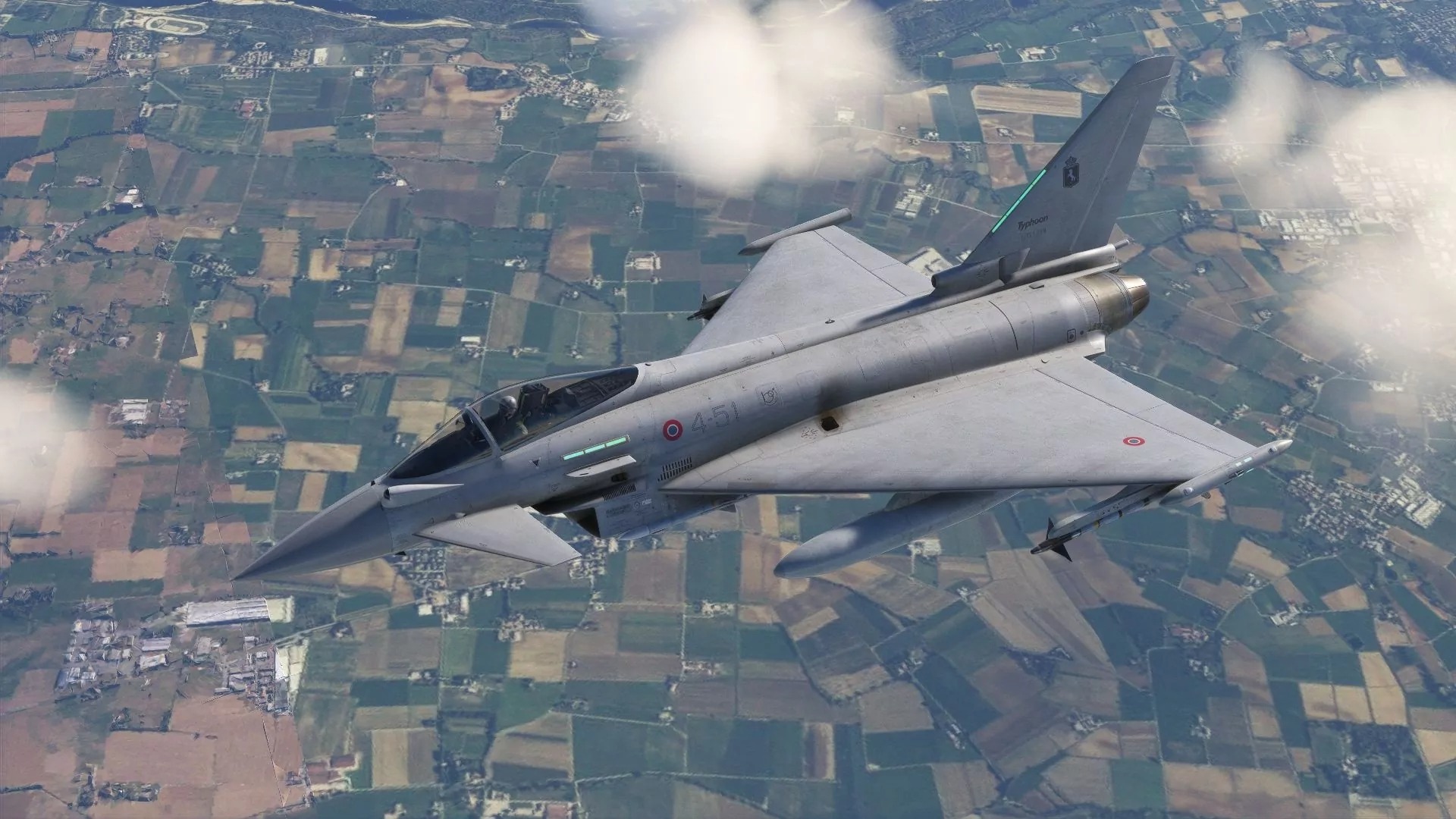
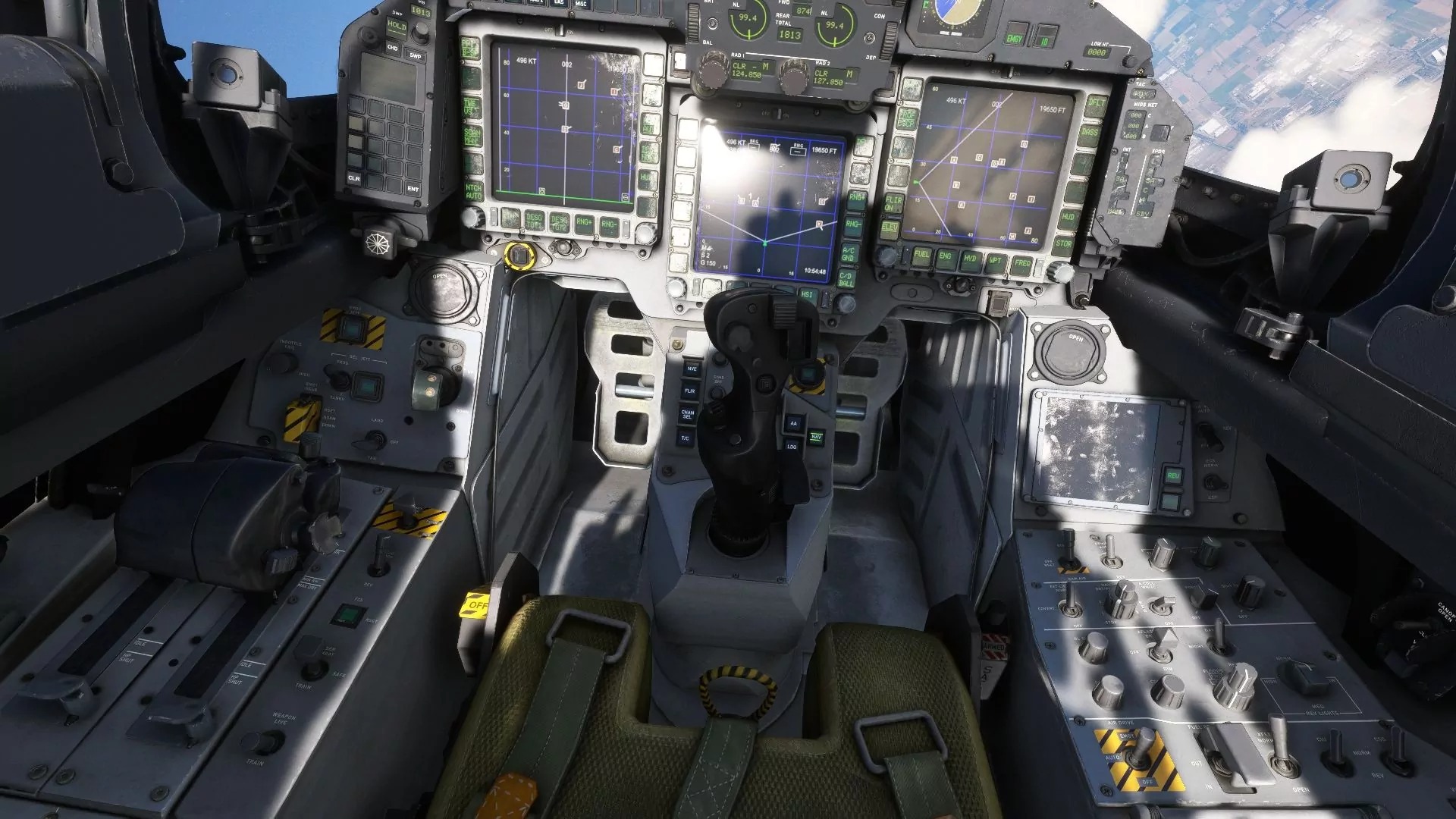
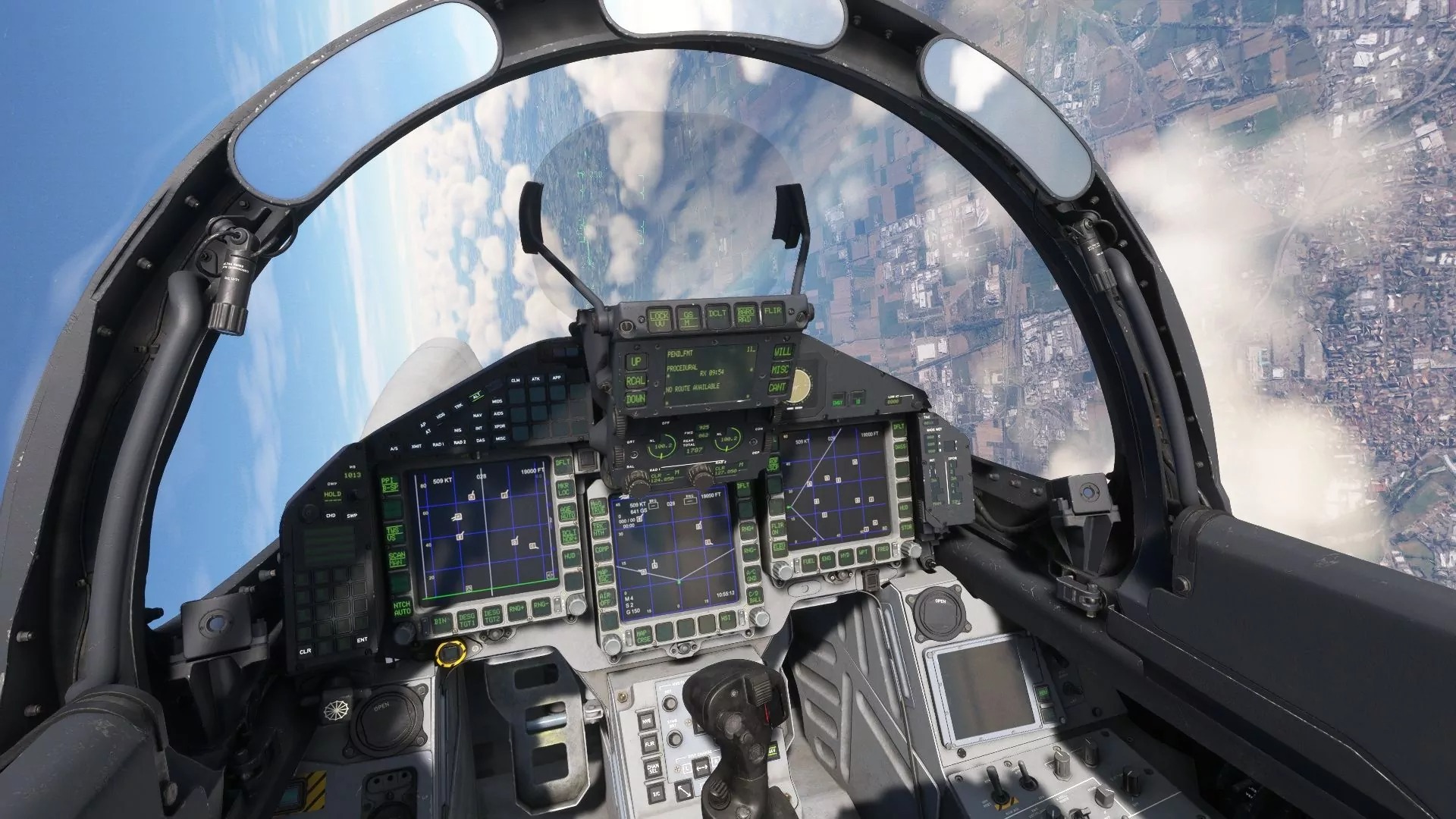
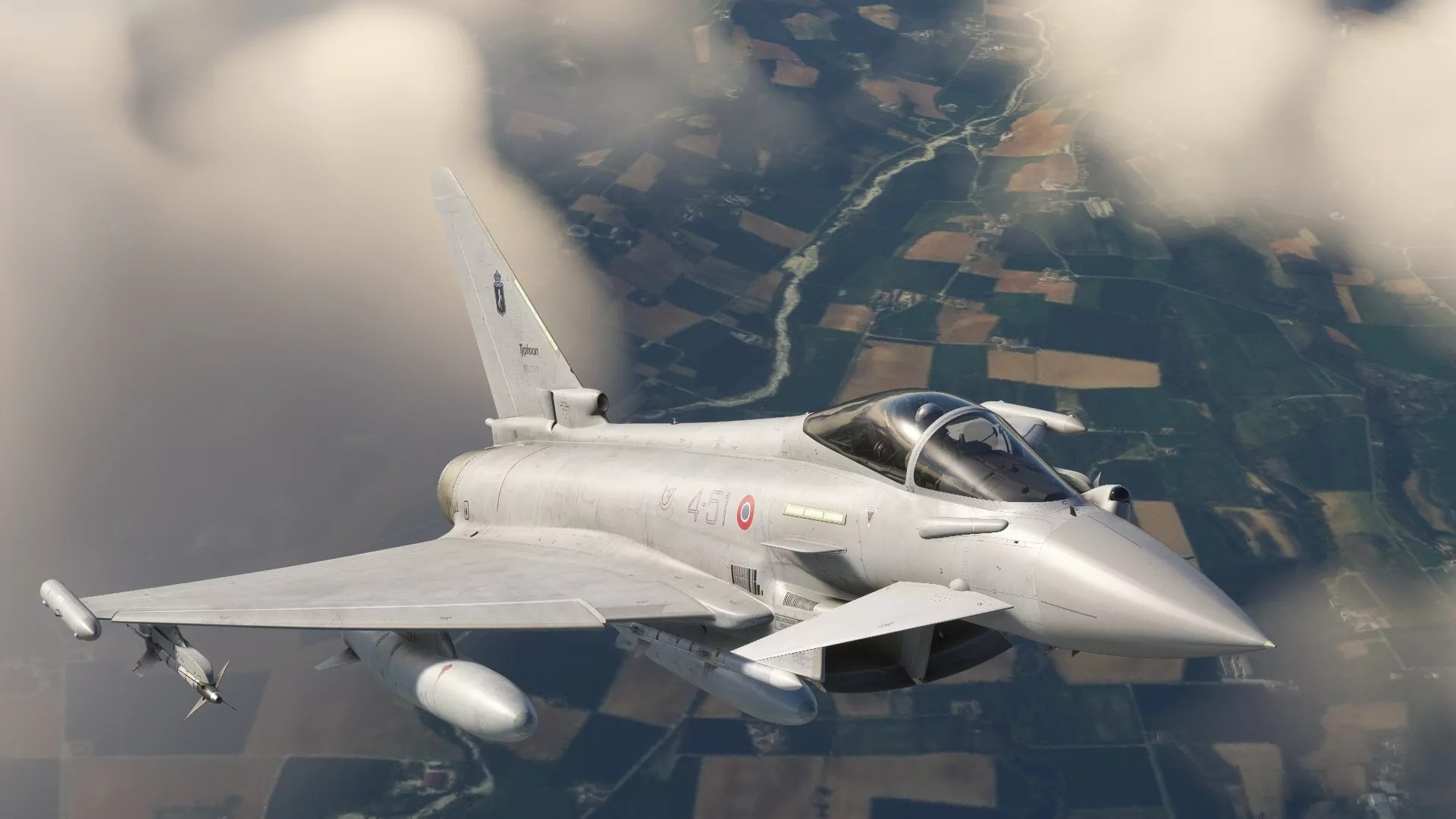
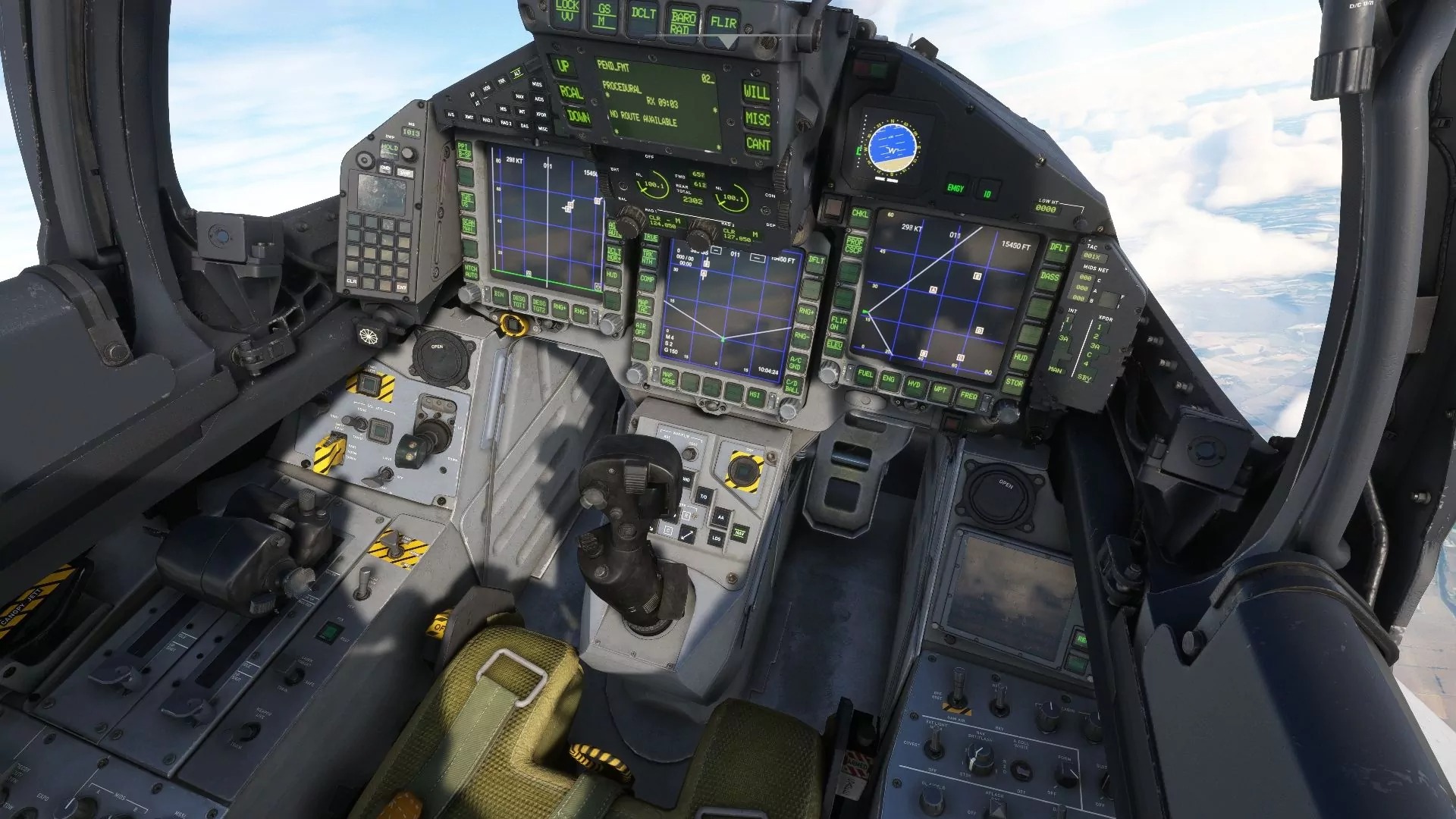
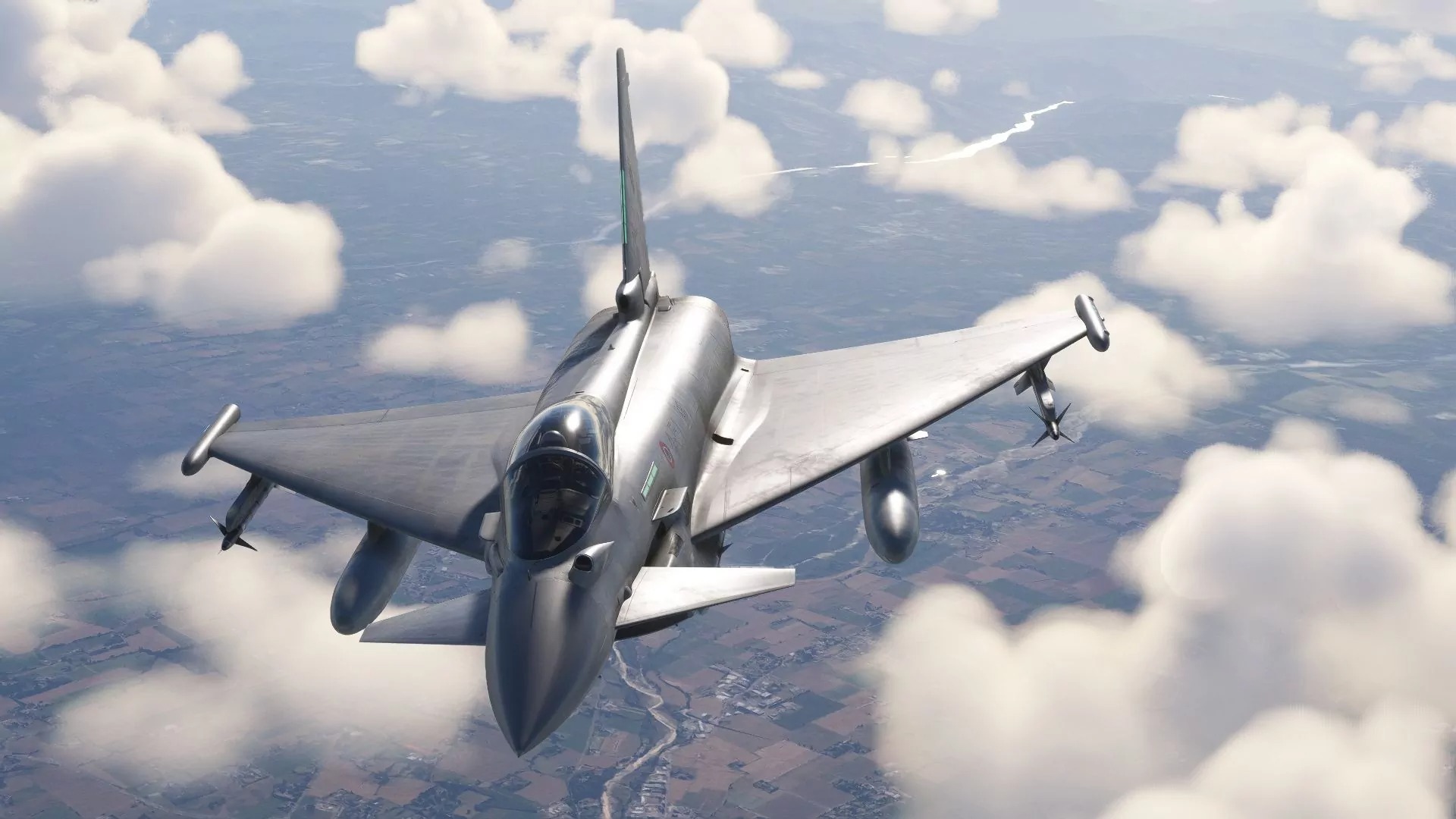
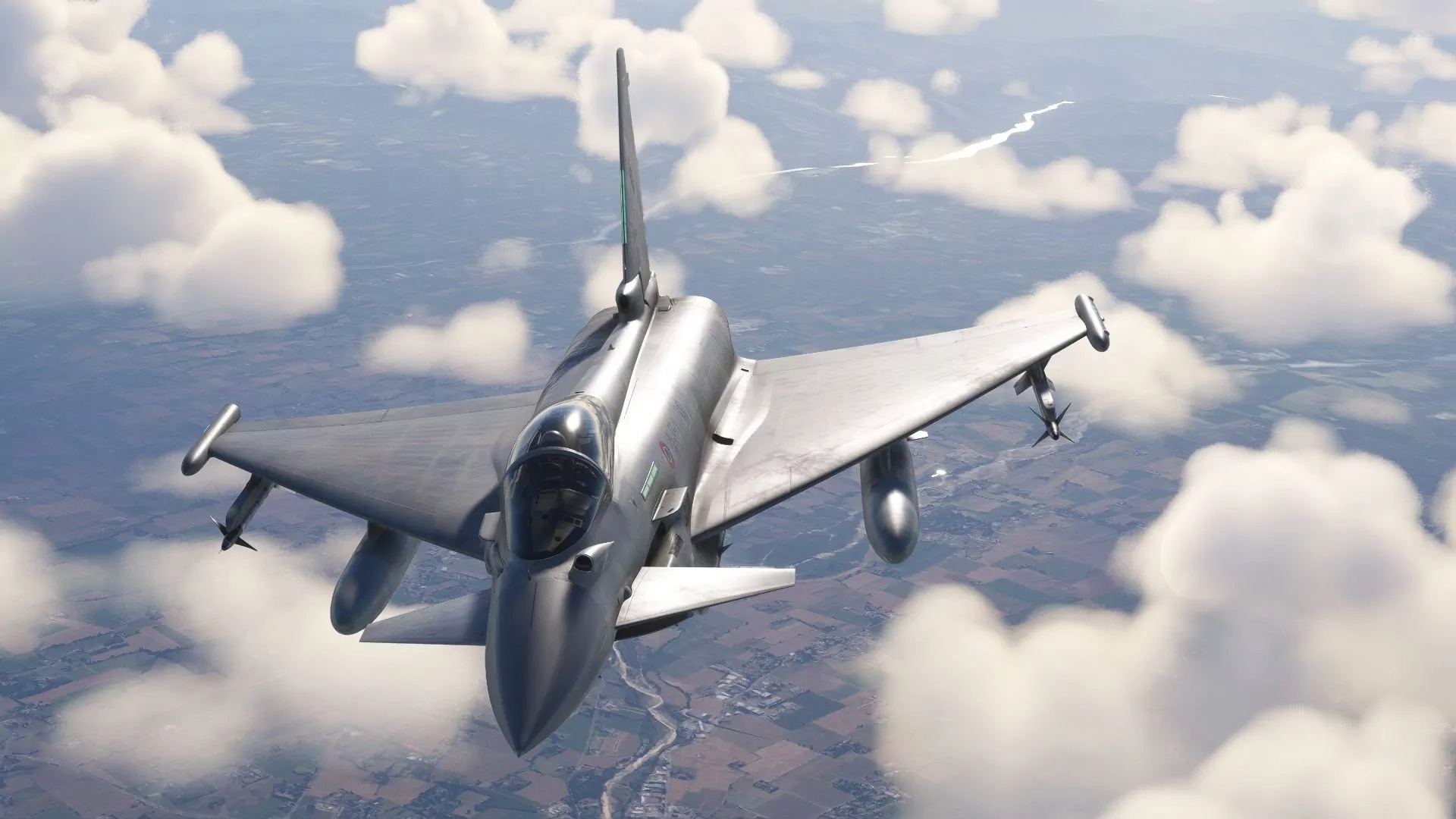
Indiafoxtecho finally released its Eurofighter Typhoon, which has been in development for quite some time.
It’s available on Orbx Direct and on Simmarket for MSFS 2024 and MSFS 2020, starting at $35.22, including the following features.
- high detail visual models
- liveries for every squadron that operates the EF-2000
- detailed and realistic avionic and systems simulation
- finely tuned flight model
- accurate sound package
Shizuoka Airport Released for P3D, Microsoft Flight Simulator 2004, and Microsoft Flight Simulator X
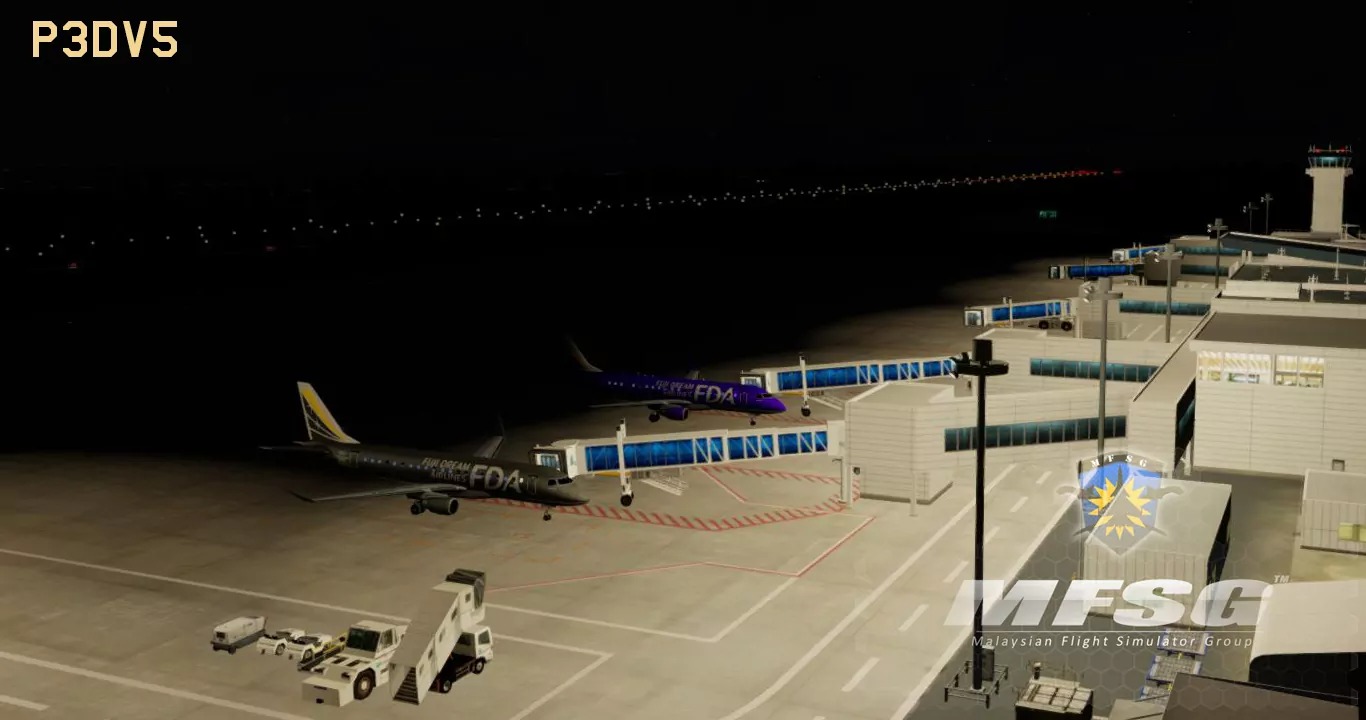
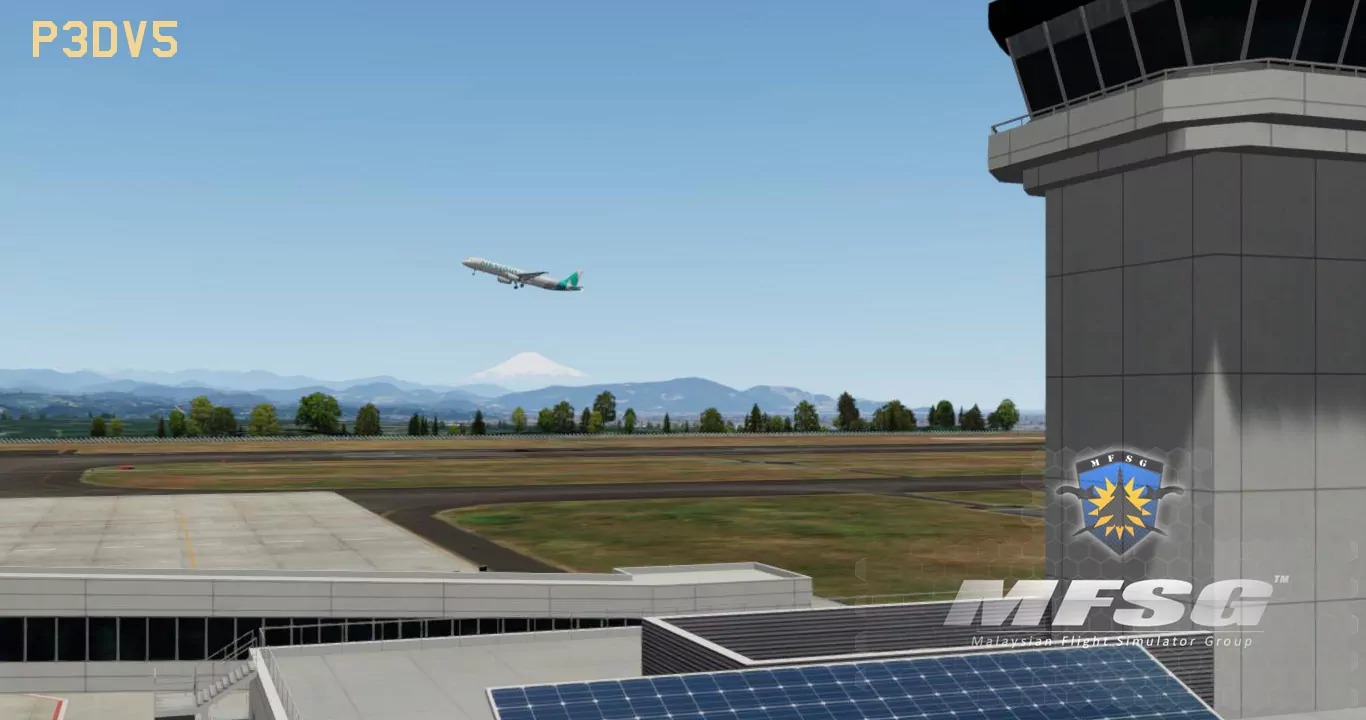
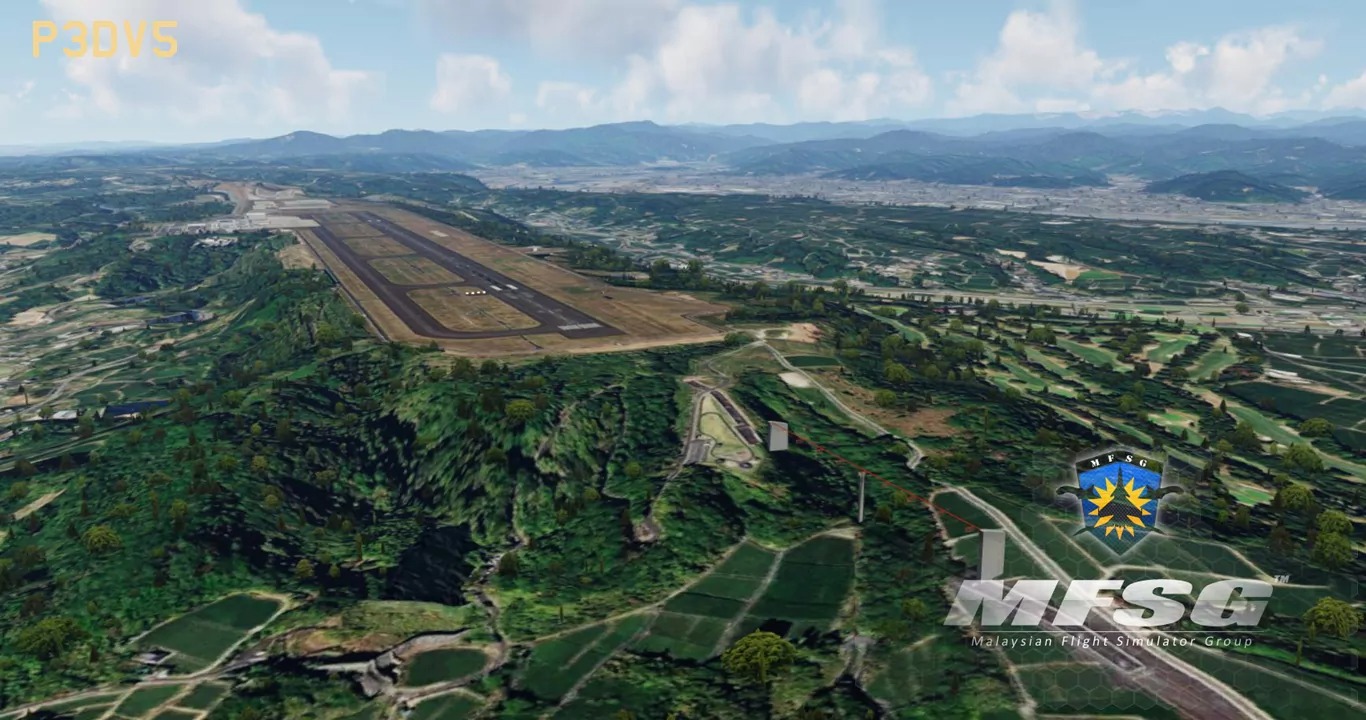
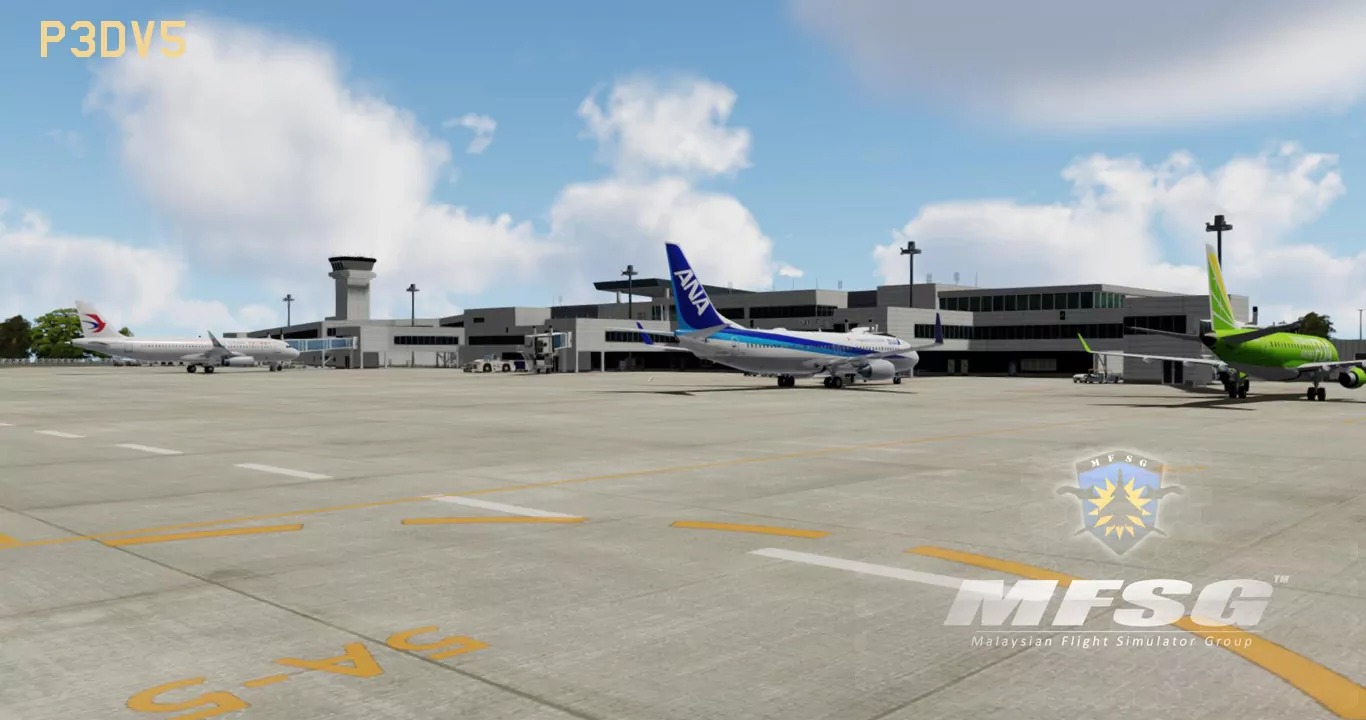
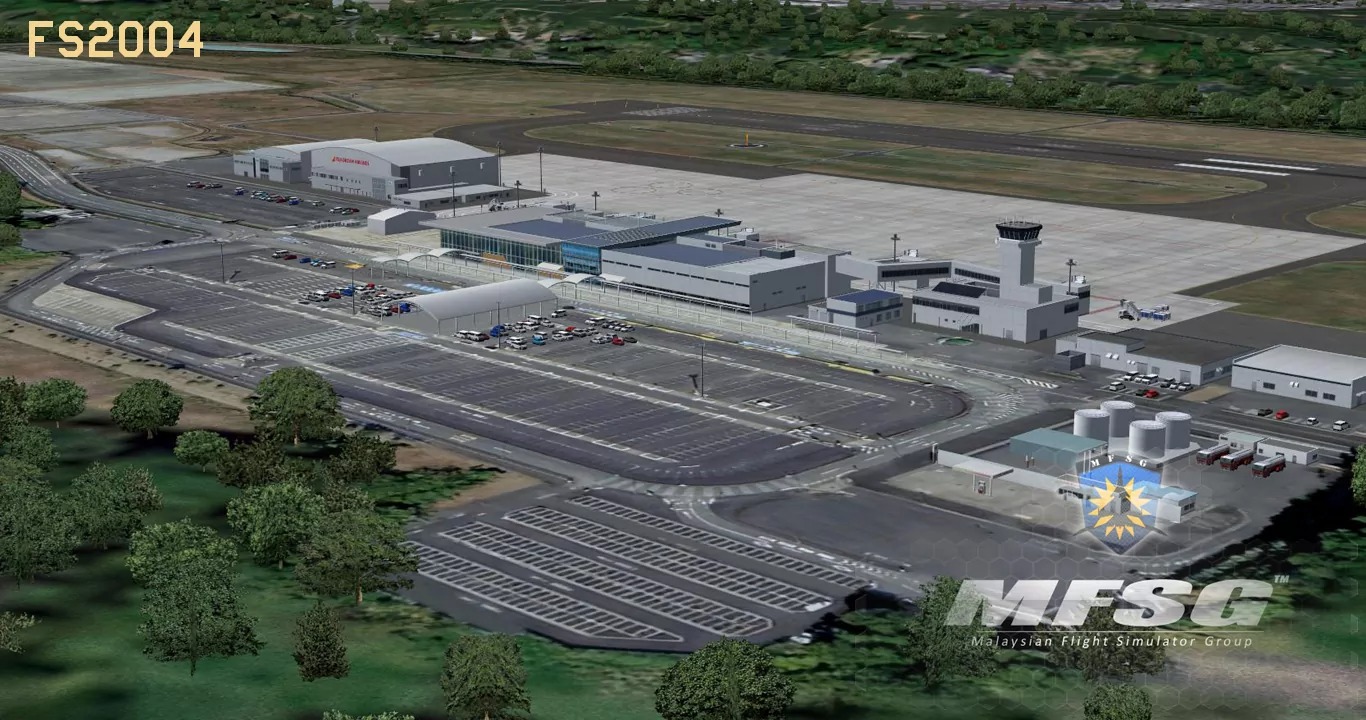
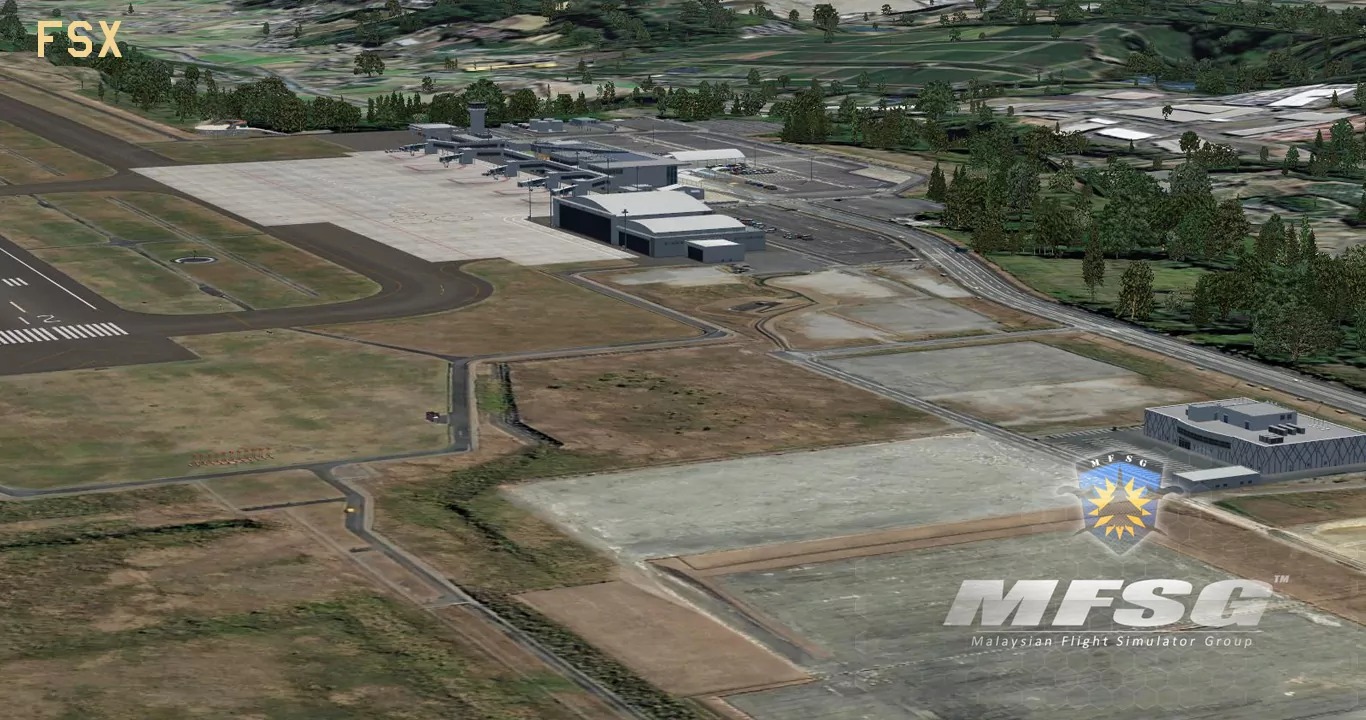

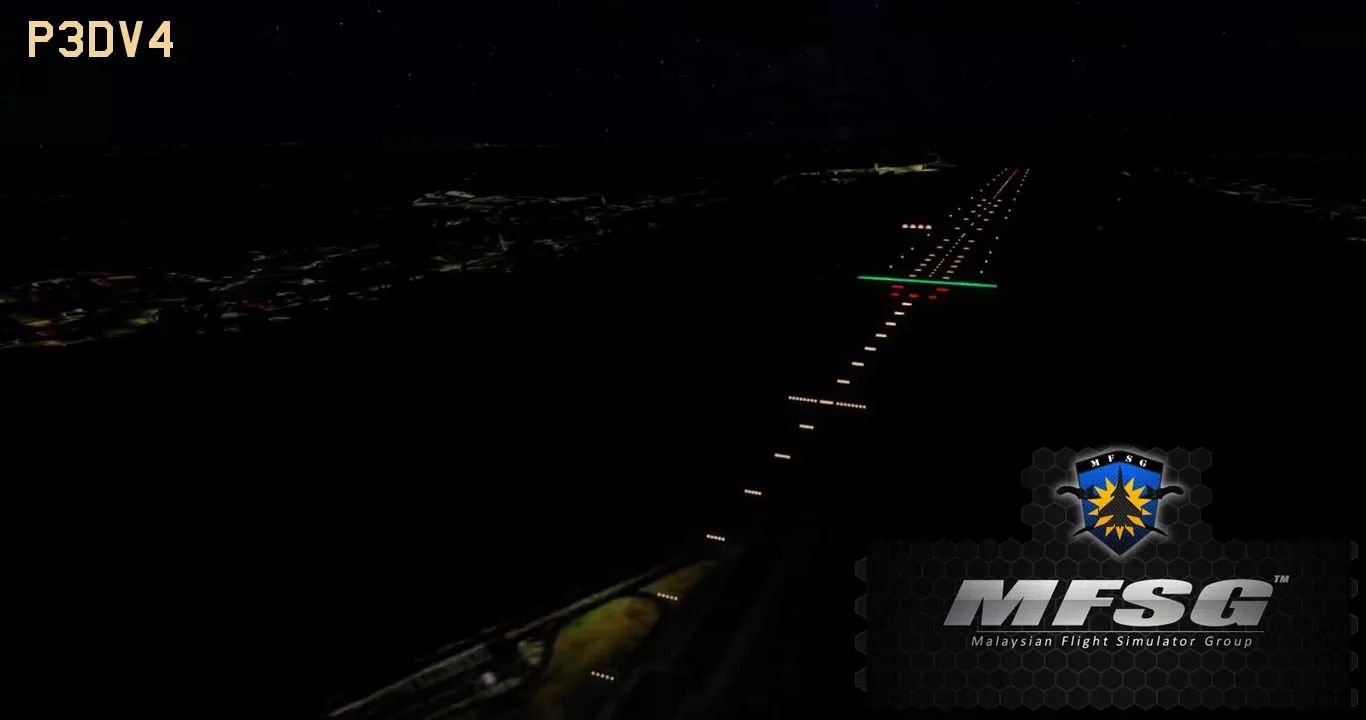

MFSG released the rare airport for P3D between version 3 and version 5, Microsoft Flight Simulator X, and Microsoft Flight Simulator 2004 (you read it correctly, it’s “2004,” not “2024”)a, nd it’s Mt. Fuji Shizuoka Airport (RJNS) in Japan.
It’s available on Simmarket for $18.64, including the following features.
- Shizuoka Airport 2025 layout.
- Autogen trees only over photoreal terrain. (FS2004/FSX/P3D)
- Airport Groundpoly.(FS2004/FSX/P3D)
- Tested with Standard Flight Simulator (FS2004/FSX/P3D).
- Compatible with add-on AI traffic.
- Dynamic Light (P3Dv4/P3Dv5).
- Static Jetway (FS9/FSX).
- SODE Jetways (P3D only).
- GSX Level 2 Jetways and profile (FSX/P3D).
- SODE Windsock (FSX / P3D).
Newcastle Airport Native MSFS 2024 Version Released
RW Profiles released the MSFS 2024 native version of its Newcastle International Airport (EGNT) in the UK.
It’s priced at $20.02 on iniBuilds’ store, and current owners of the MSFS 2020 version can get an upgrade for free. If you purchase the MSFS 2020 version from now onward, the upgrade price will be $2,69.
It includes the following features.
- Hand-made and hand-painted ground textures
- True-to-life airport landside
- Accurate airport night lighting
- Handplaced and custom runway and taxiway lighting
- Highly detailed models of all airport buildings, objects, and surroundings
- Up to date airport layout
- Custom built and animated jetways in all variations
- Official GSX Profile
- Highly performance optimised with LODs and instancing
- Compatible with walkaround mode
- Fully and accurately modelled terminal interior
- Configurable option to turn off either certain parts or the whole modelled interior
- Configurable option to turn off either certain various other features of the scenery for the best performance for your specific system
- Custom and handplaced taxiway signage
- Fully modelled GA area with FBO interior
- Custom static GA aircraft
- Custom groundclutter and GSE
- Assigned AI airline codes for correct AI gate assignments
Another SR-71 Blackbird Released for MSFS 2024
KwikFlight released another of its strangely named military aircraft, and this time it’s an SR-71 Blackbird for MSFS 2024, rebranded as “Archangel”.
It should be out soon. In all honesty, I’m frowning at the optics of rushing to hijack the release of a competing aircraft of the same type the day after it’s announced, but you be the judge.
It comes with the following features, priced at $22.69.
- Extreme high-speed aerodynamics: Engineered for Mach 3+ intercontinental cruise with authentic blended delta wing and leading-edge chines
- Adaptive afterburning engines: Twin “turboramjets” with staged afterburners and Triethylborane (TEB) igniters, delivering up to 32,000 lbs of thrust each
- Titanium airframe with heat-resistant coating: Durable materials and black ferrite paint for thermal management and reduced radar signature
- Period-authentic autopilot & flight director: Supports Pitch, Mach/Speed Hold, Roll, Heading, and Auto-Nav modes for high-altitude, long-range missions
- Classic and mission-ready navigation: TACAN & VOR for full operational realism
- Operational ground support simulation: Walk-up crew ladder, external power cart, and twin engine start carts replicate historical ground procedures
- Drag parachute for high-speed landings: Fully animated, single-use drogue chute with realistic deceleration effects
- Immersive environmental effects: Sonic boom, high-altitude vapour trails, and fuel venting visuals
- Tactile cockpit interactions: Adjustable mirrors, sun visor, and animated throttle detent for authentic afterburner engagement
- Advanced reconnaissance suite: Top-down tactical camera, faux infra-red modes, Electro-Optical (EO) daylight imaging, and rear RSO cockpit displays
- Air-to-air refuelling capability: Native Airshow Assistant AAR support plus optional standalone refuelling simulation
- Dynamic lighting & instrument realism: Period-accurate cockpit illumination with adjustable panel torches for night and high-altitude ops
If you’d like to read more flight simulation news, you can find plenty in our previous roundup article from yesterday.
If you want to go further back, we have a handy overview video of the major flight simulation news in the past week. You can watch it below. As usual, leaving a like and a comment and subscribing to our growing YouTube channel is extremely helpful.
While Simulation Daily is owned and financed by Orbx Simulation Systems, its staff is afforded full editorial independence and will strive to cover products from all companies and developers impartially. Check out our editorial policy.