Flight Simulation developers shared news today, including aircraft and airports for Microsoft Flight Simulator 2024.
Simulation Daily publishes a roundup every day for all the news across the flight simulation field, helping you keep up to date with the ins and outs of the industry.
Before we move on to the flight simulation news, make sure to check out today’s episode of our “Can You Guess this Airport?” video series and see if you can identify the airport portrayed.
Without further ado, I leave you with today’s flight simulation news. Enjoy!
Casa C-212-200 Aviocar for MSFS 2020 and MSFS 2024 Gets New Screenshots and Details


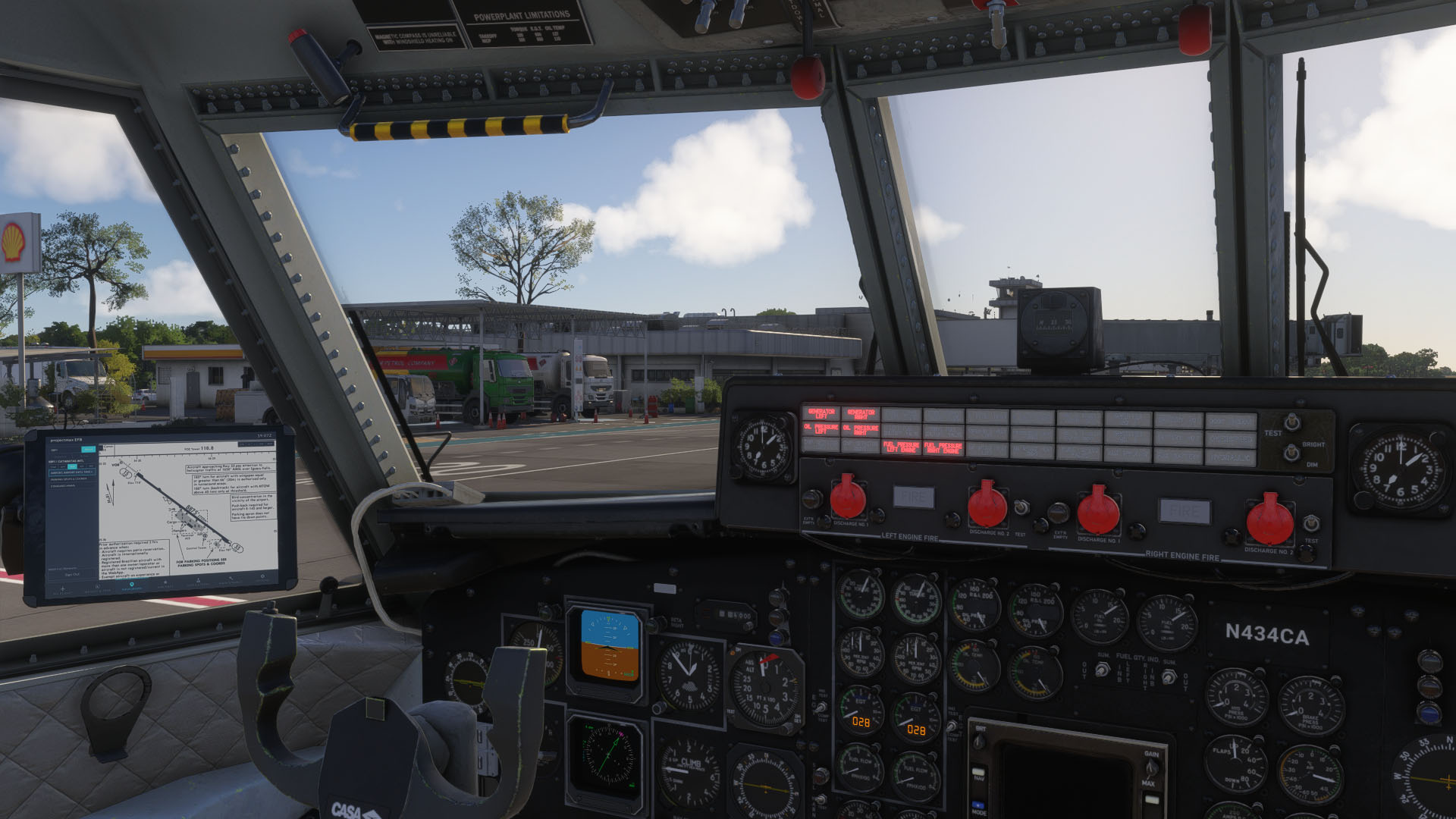

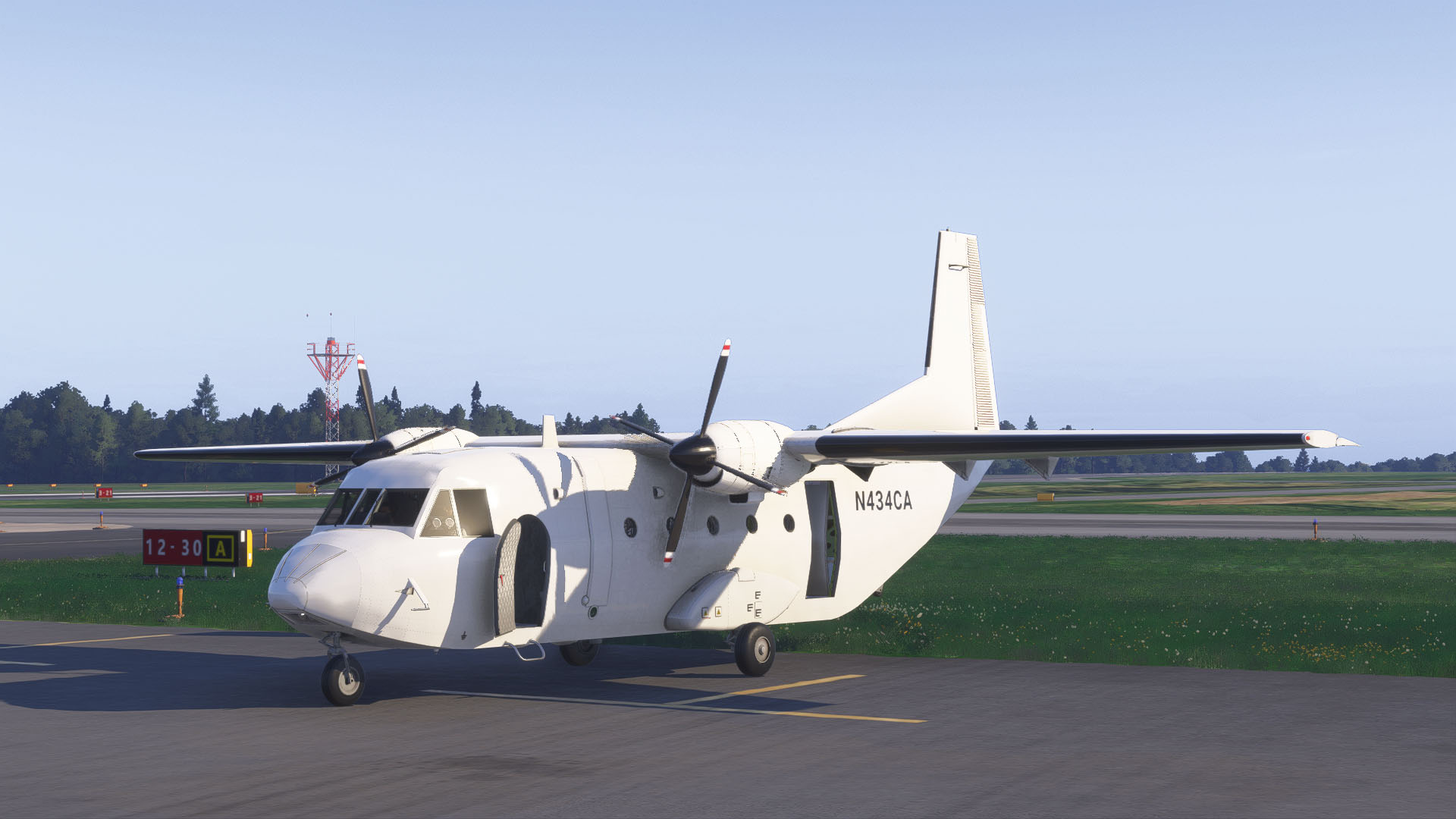

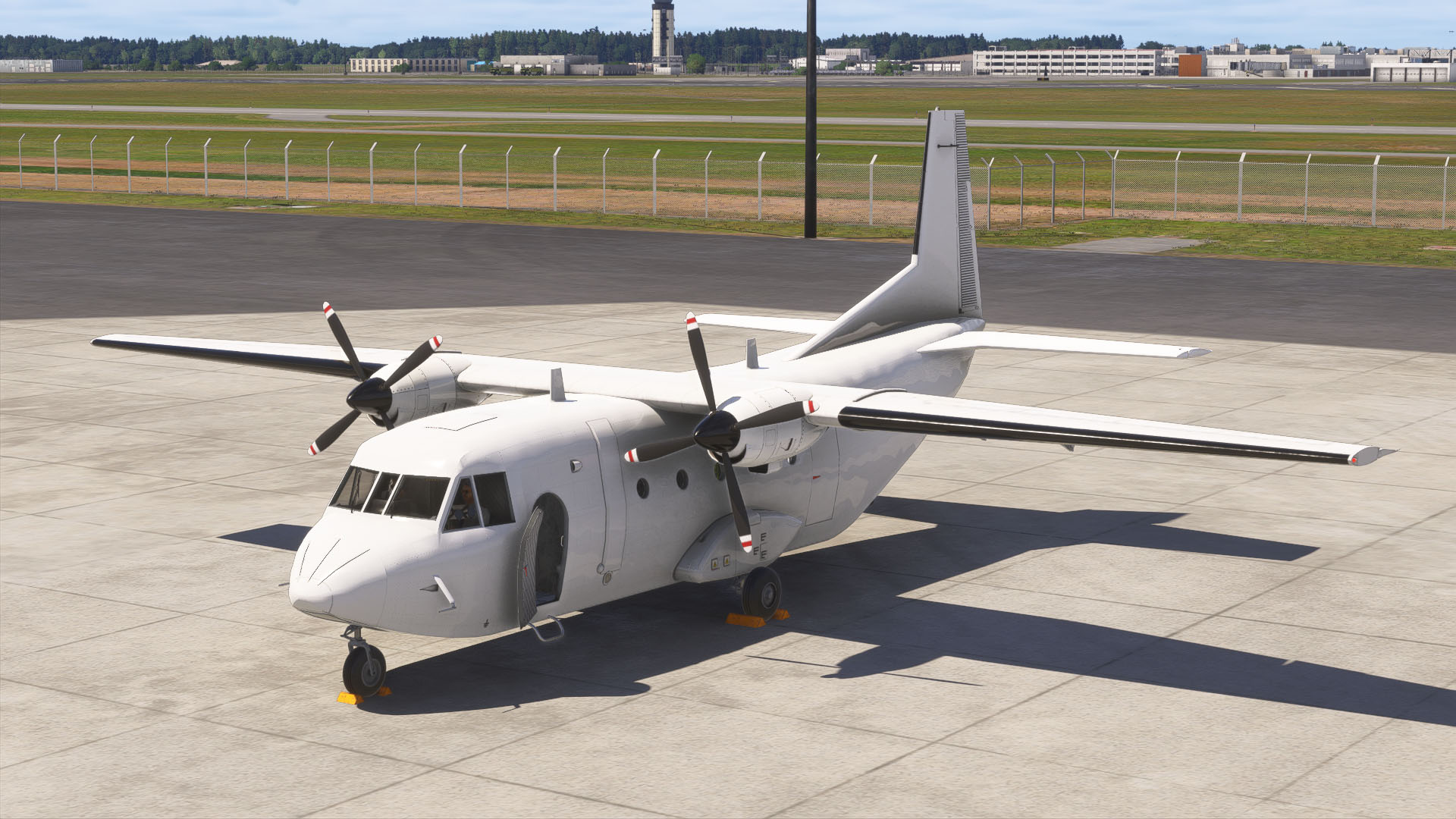


Project Max opened an official page for the Casa C-212-200 Aviocar for MSFS 2020 and MSFS 2024.
Besides a number of screenshots, we also get plenty of details.
Cockpit
We’ve modeled the cockpit down to the switch level, recreating the panels and instruments of the real Aviocar: torque, RPM, EGT, oil, and hydraulic gauges for both engines, an overhead systems panel, and a full electrical and fuel control setup, each one built to actually function rather than just look the part.
Avionics are configurable to match different real-world fits, built around the classic HZ444 or EFD84 ADI/HSI, with a choice of GTN, GNS, or KLN 90B navigators A working Bendix weather radar. A cockpit-mounted EFB handles checklists and flight planning, and preset panel states let you jump straight to taxi, takeoff, or cruise when you don’t need a full cold-and-dark start.
Realism
Realism is the foundation of every aspect of the aircraft. Weathering, surface wear, dynamic lighting, and physically based materials are carefully integrated to reproduce the appearance and character of a real, operational Aviocar. Every detail is designed to respond naturally to lighting conditions, weather effects, and the surrounding environment.
From ground handling characteristics to the smallest details throughout the cabin, each element of the aircraft has been developed with attention to authenticity. Whether approaching the runway or parked on the ramp, the aircraft is designed to maintain the same level of detail and realism throughout the entire experience.
Flight Model
The flight model of the C-212-200 has been developed around the aircraft’s real-world handling characteristics, performance data, and operational behavior. The simulation focuses on accurately reproducing the qualities that define the Aviocar, including its stable high-wing design, low-speed handling, STOL capability, and the interaction between aircraft configuration, weight, power, and environmental conditions.
From takeoff to landing, every aspect of the aircraft’s behavior is designed to respond naturally to pilot input. Aerodynamic effects, propeller forces, ground handling, and performance changes are modeled to provide a realistic representation of operating the C-212-200 in both routine and demanding flight conditions.
Aircraft Systems
The aircraft systems have been developed to accurately represent the functionality and operating logic of the C-212-200. including electrical, hydraulic, fuel, avionics, and control systems. Each system has been built around the aircraft’s real-world design, with attention given to the interactions between components and the procedures required to operate them correctly.
From normal operation to abnormal situations, the simulation is designed to reflect how the aircraft responds to pilot inputs and system conditions. Switches, indicators, and controls behave according to their real counterparts, providing a complete and immersive representation of managing the Aviocar in everyday operations.
Engine Simulations
The engine simulation is designed around the unique characteristics of the Garrett/AlliedSignal TPE331-10R turboprop, reproducing its fixed-shaft architecture, direct Beta operation, and constant-speed propeller behavior. Engine response, propeller control, starting sequences, feathering, and power management are modeled to reflect the distinct operating philosophy of a real C-212-200.
Beyond normal operation, an optional extended engine simulation system introduces long-term engine behavior, including wear, oil consumption, contamination, individual engine variations, and maintenance effects. These systems allow each engine to develop its own operational history over time, providing a more dynamic and realistic experience for users who choose to manage the aircraft throughout extended operations.
Configurations
The aircraft configuration system allows users to customize the cockpit equipment and avionics layout according to different operational setups. Individual cockpit elements, including GPS units, EFIS displays, communication equipment, and other installed systems, can be configured to represent different aircraft configurations and equipment fits.
Variants?
The C-212 family will continue to expand with additional variants. The C-212-100 is planned as a free update for existing C-212-200 owners, while the C-212-300 will be released as a separate product with its own aircraft-specific features and configurations.
Stavanger Airport Released for MSFS 2024 and MSFS 2020


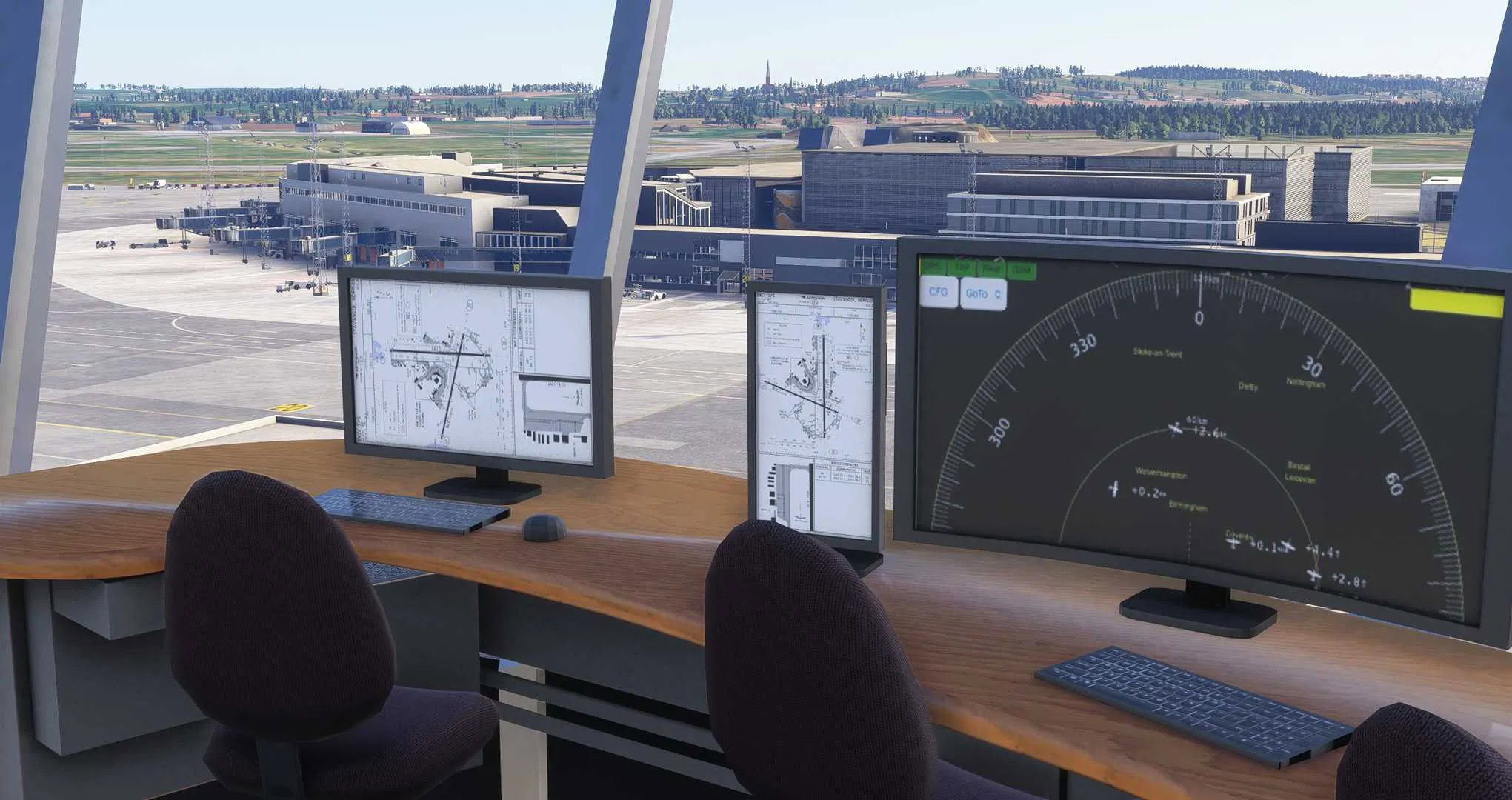


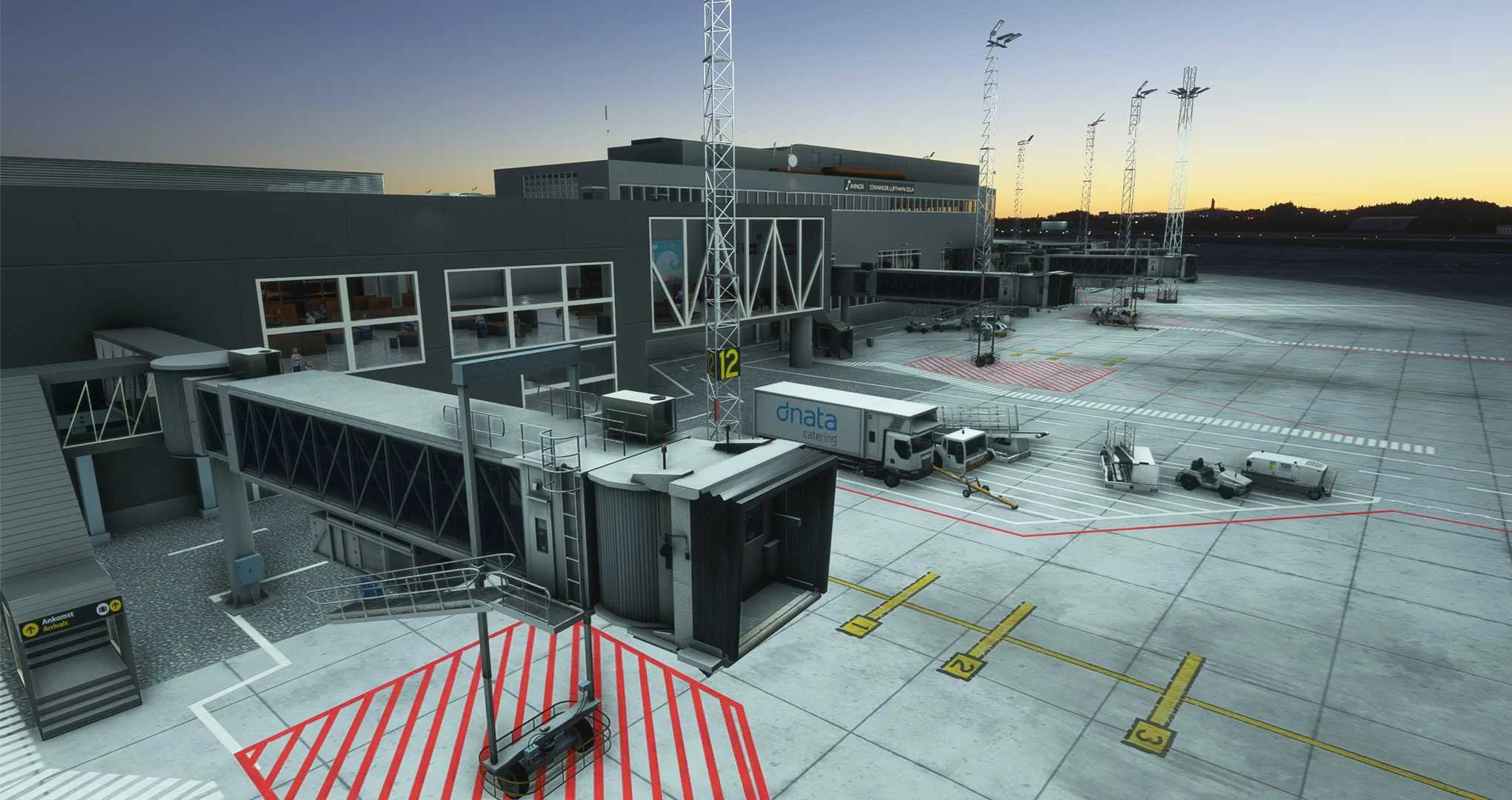


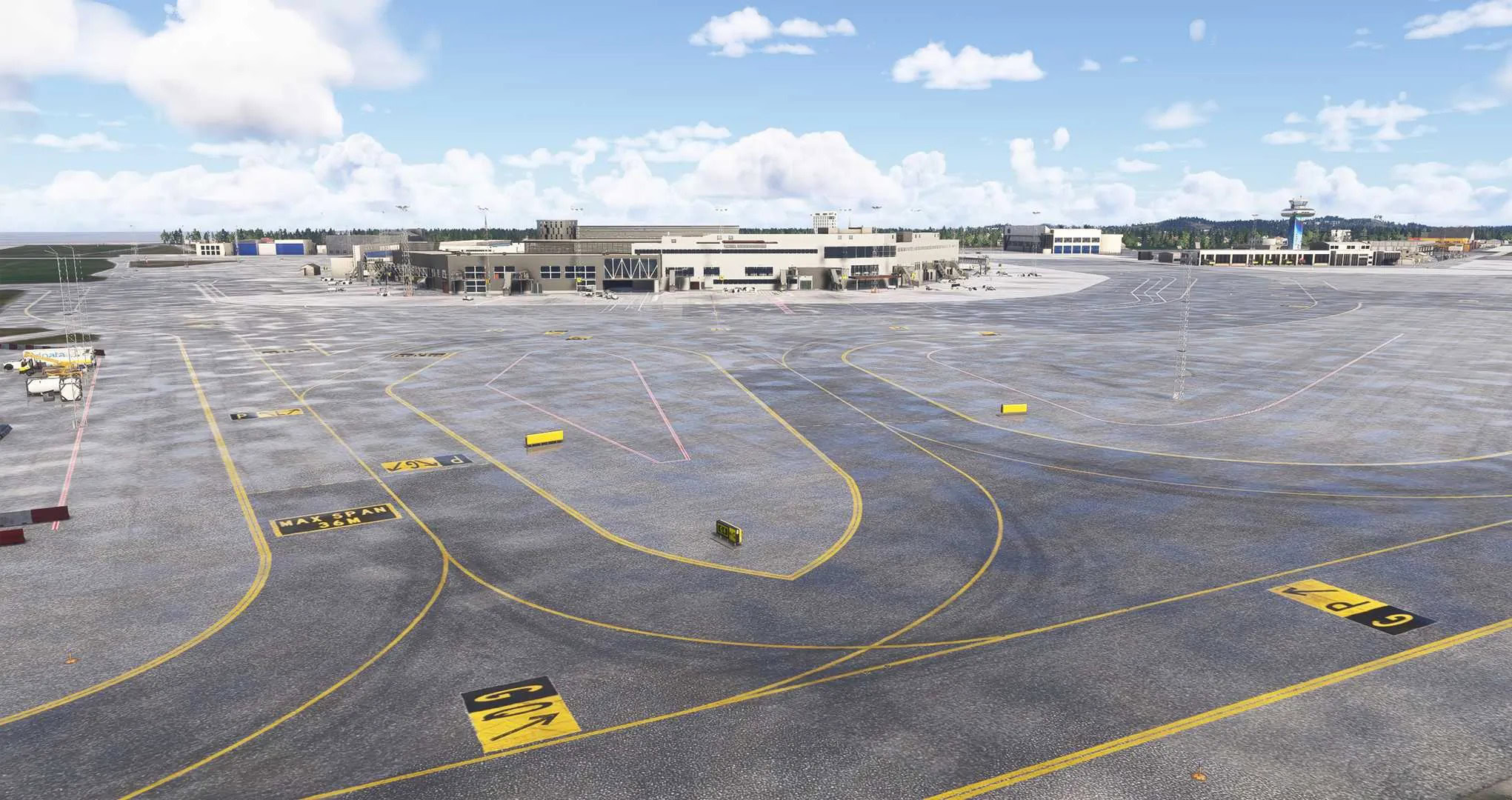
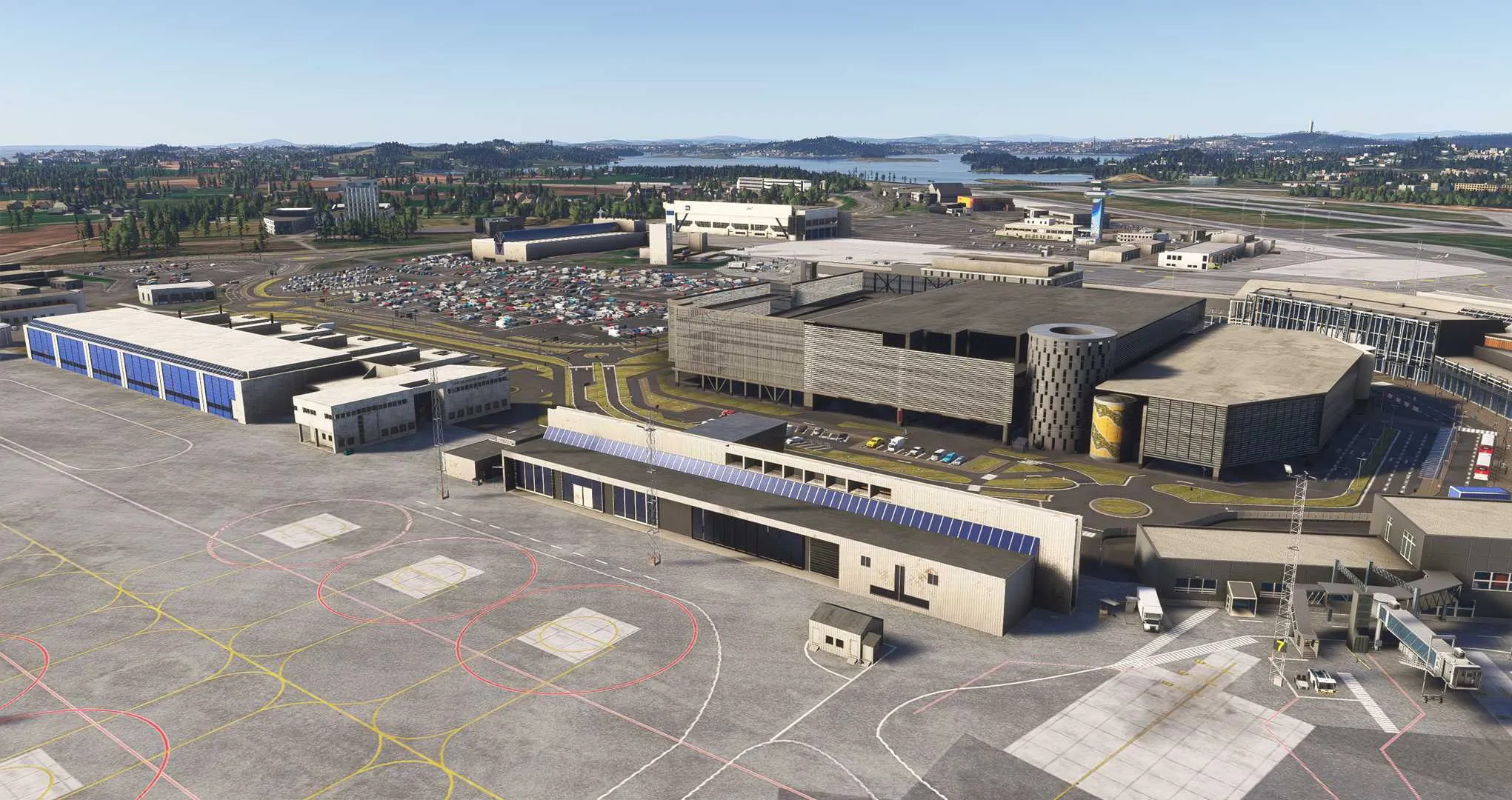

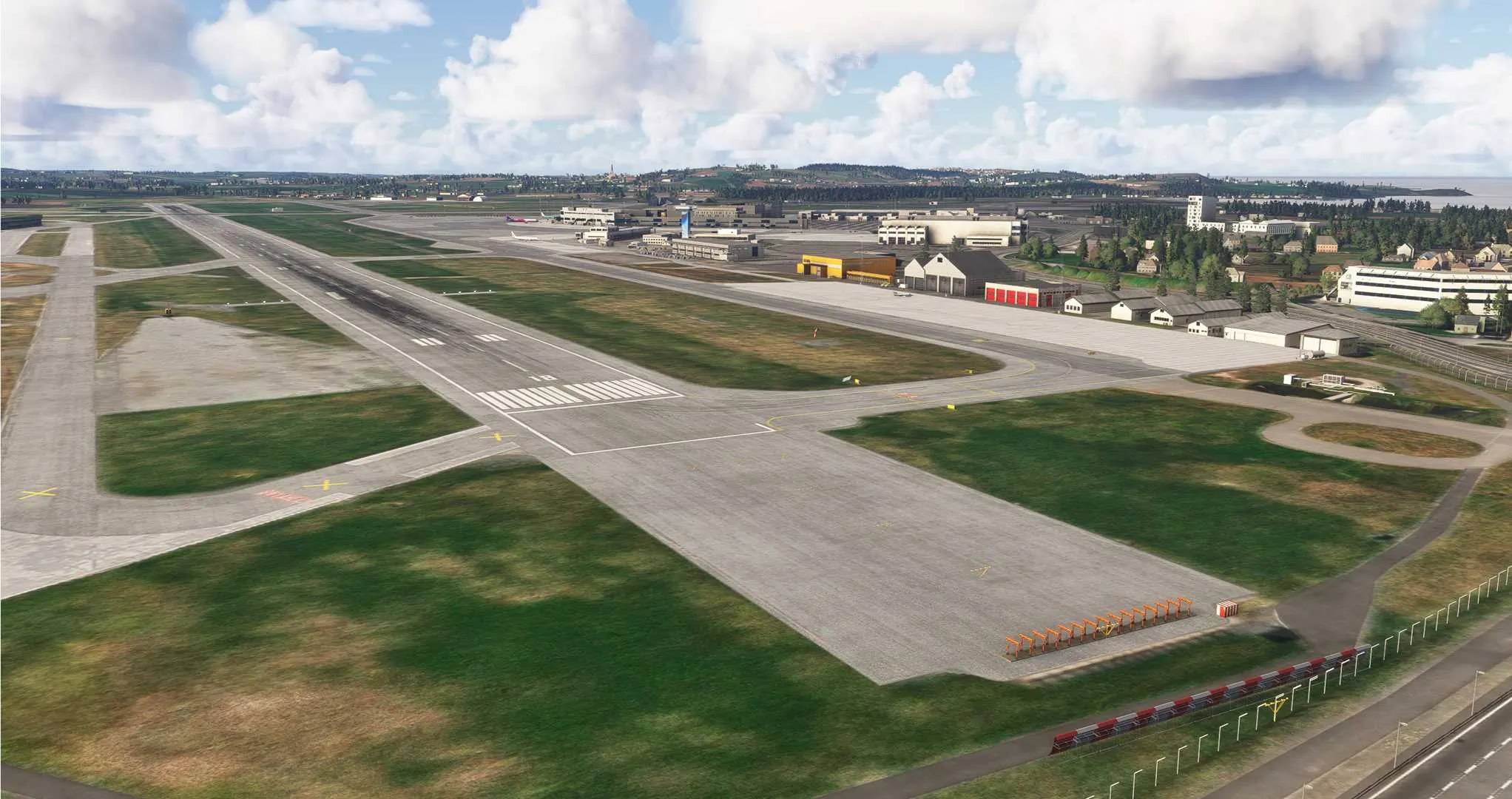
Ironsim released Stavanger Airport (ENZV) in Norway.
It’s available on the official marketplace and on Simmarket for MSFS 2024 and MSFS 2020 starting at $15.99.
It includes the following features.
- Highly detailed recreation of ENZV Stavanger Airport, Sola
- Compatible with Microsoft Flight Simulator 2024
- 4K PBR textures throughout the scenery
- Optimized LOD system for excellent performance
- Detailed terminal interior
- Realistic custom night lighting
- Animated custom jetways
- Handcrafted ground textures based on real-world references
- Custom airport clutter including realistic Ground Service Equipment (GSE)
- Numerous 3D passengers
- Detailed Stavanger city and Airport landmarks
- Optimized for smooth performance while maintaining high visual fidelity
- Designed for Commercial, Cargo, Military, Helicopter, and General Aviation operations
Rockwell Commander 114 Released for MSFS 2024 and MSFS 2020


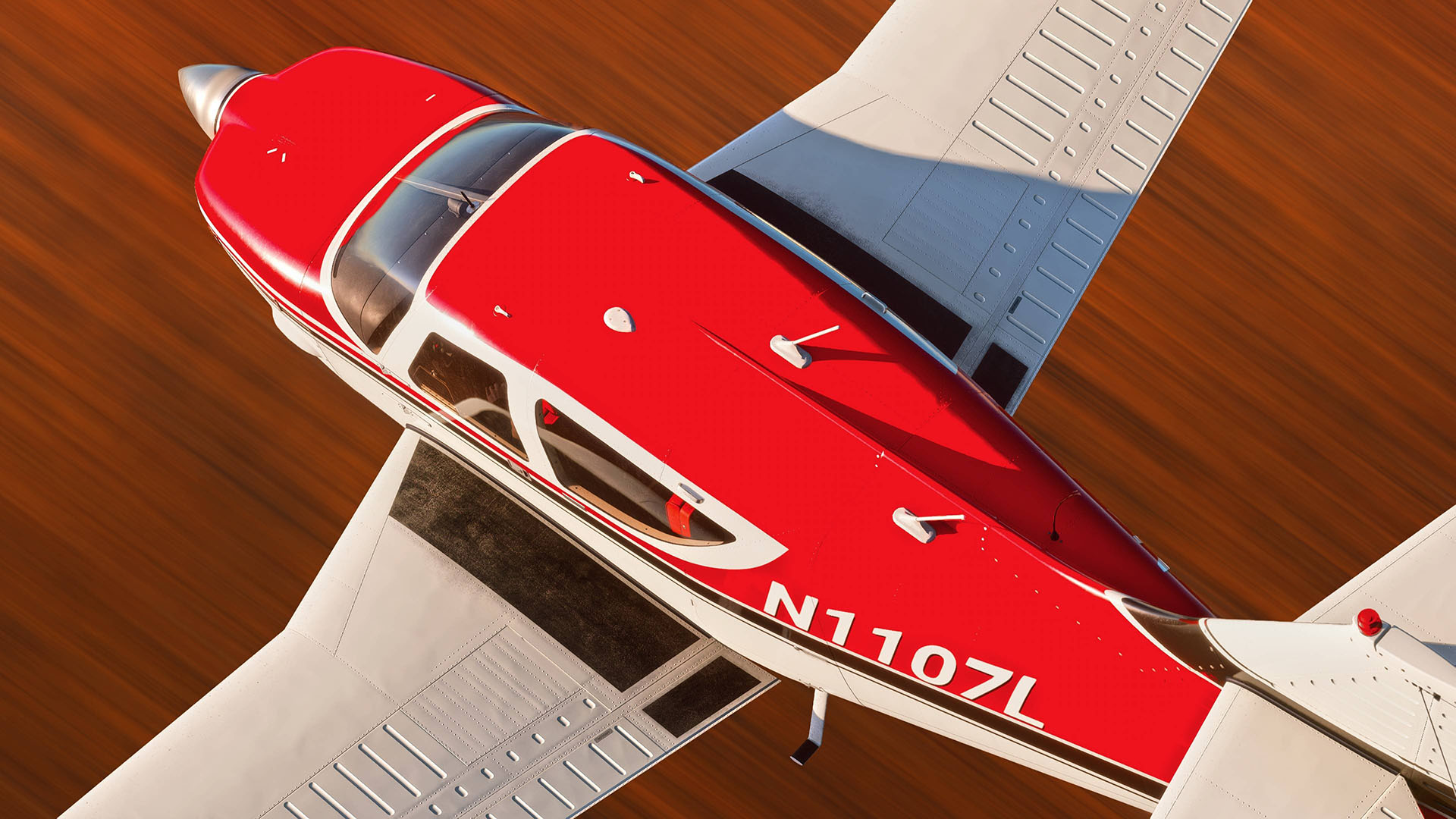

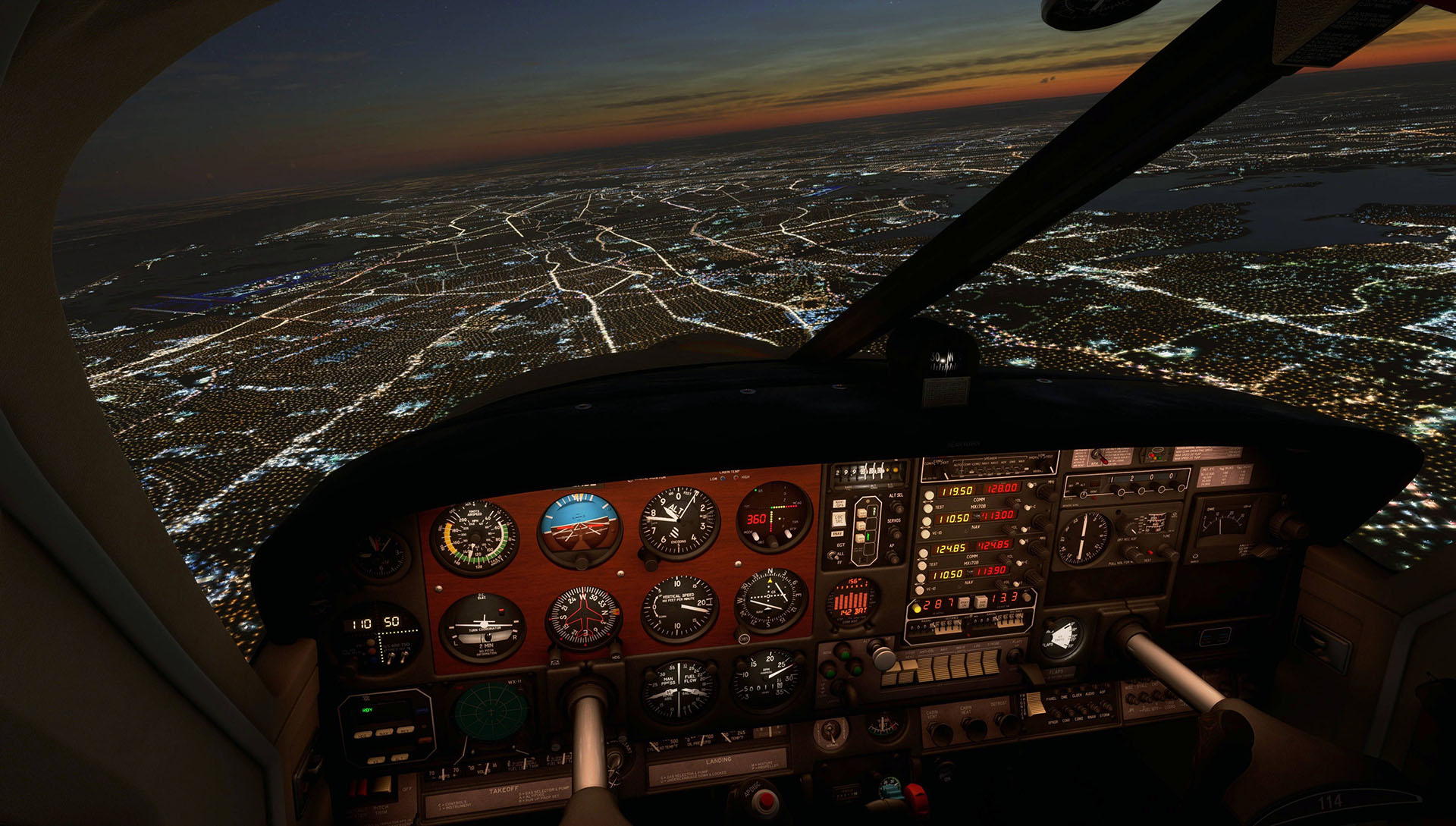
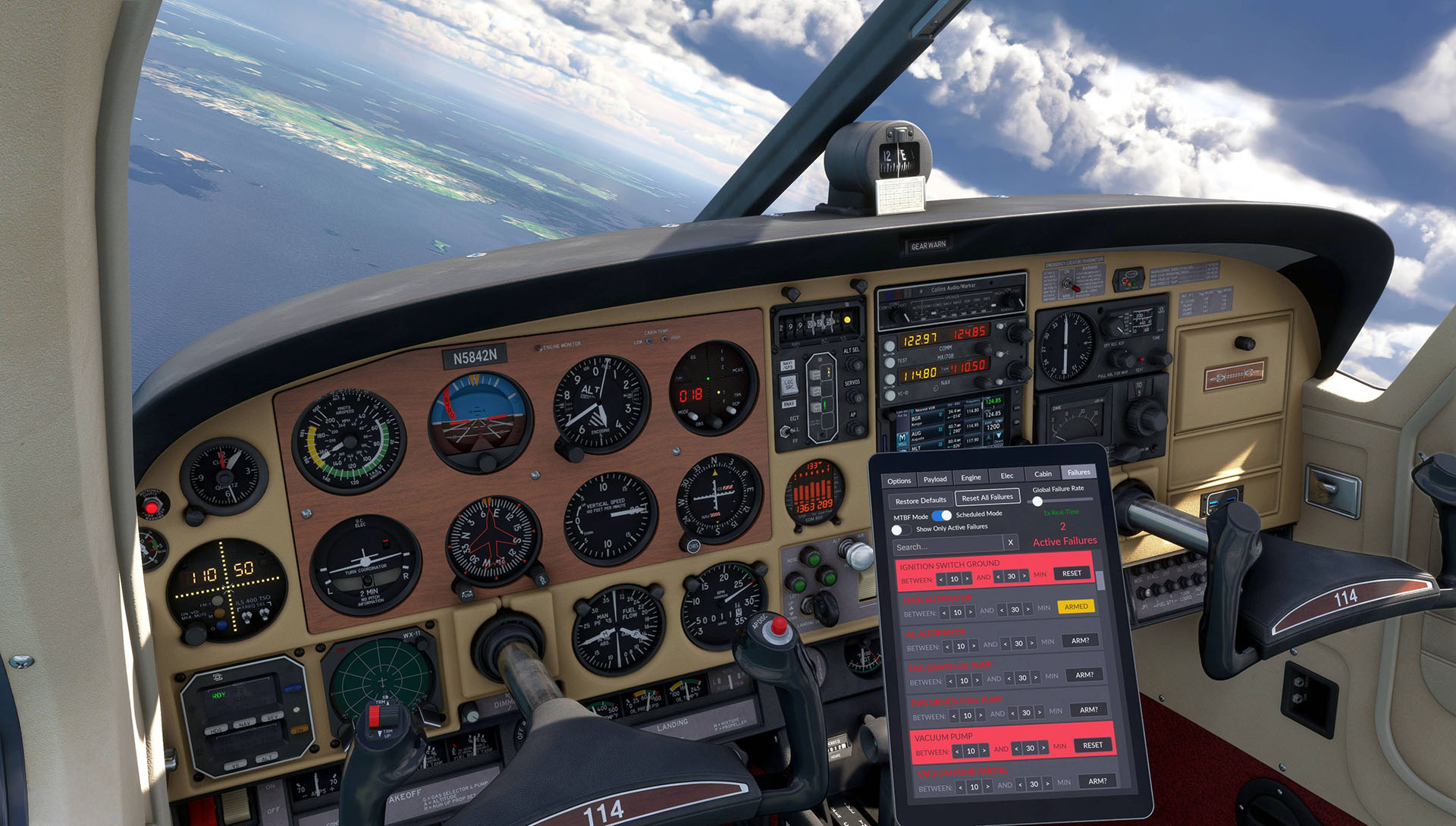
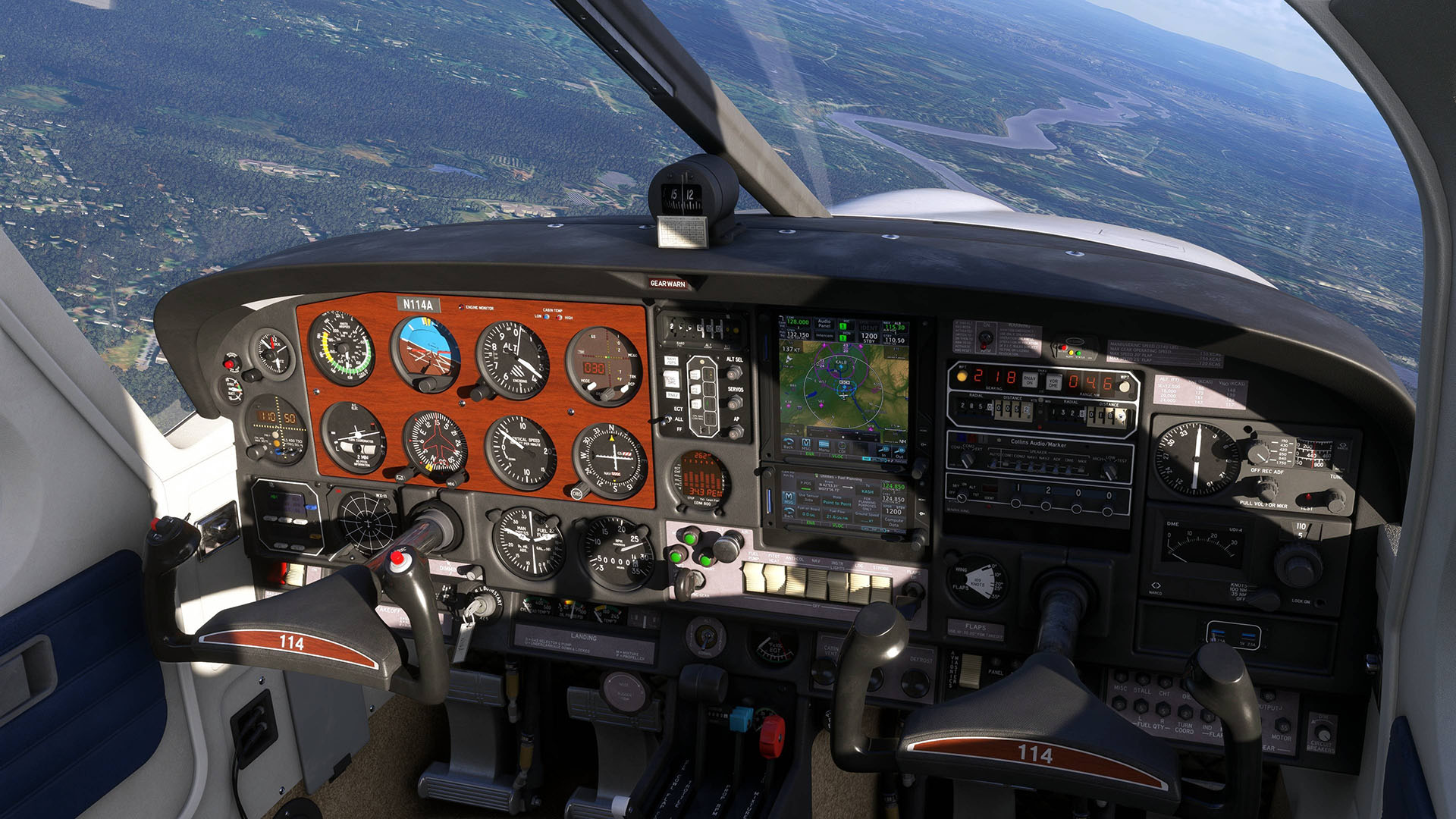
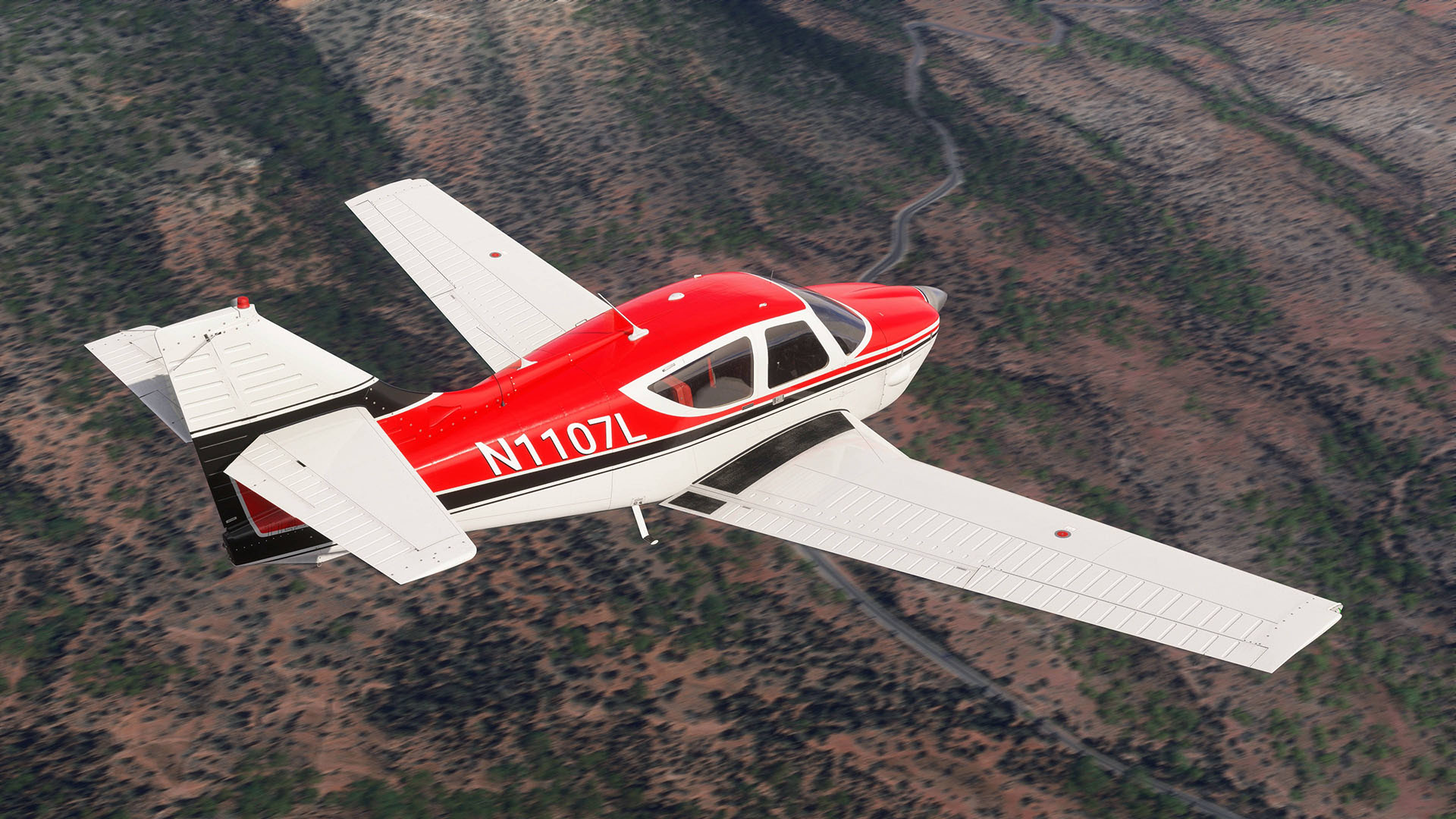
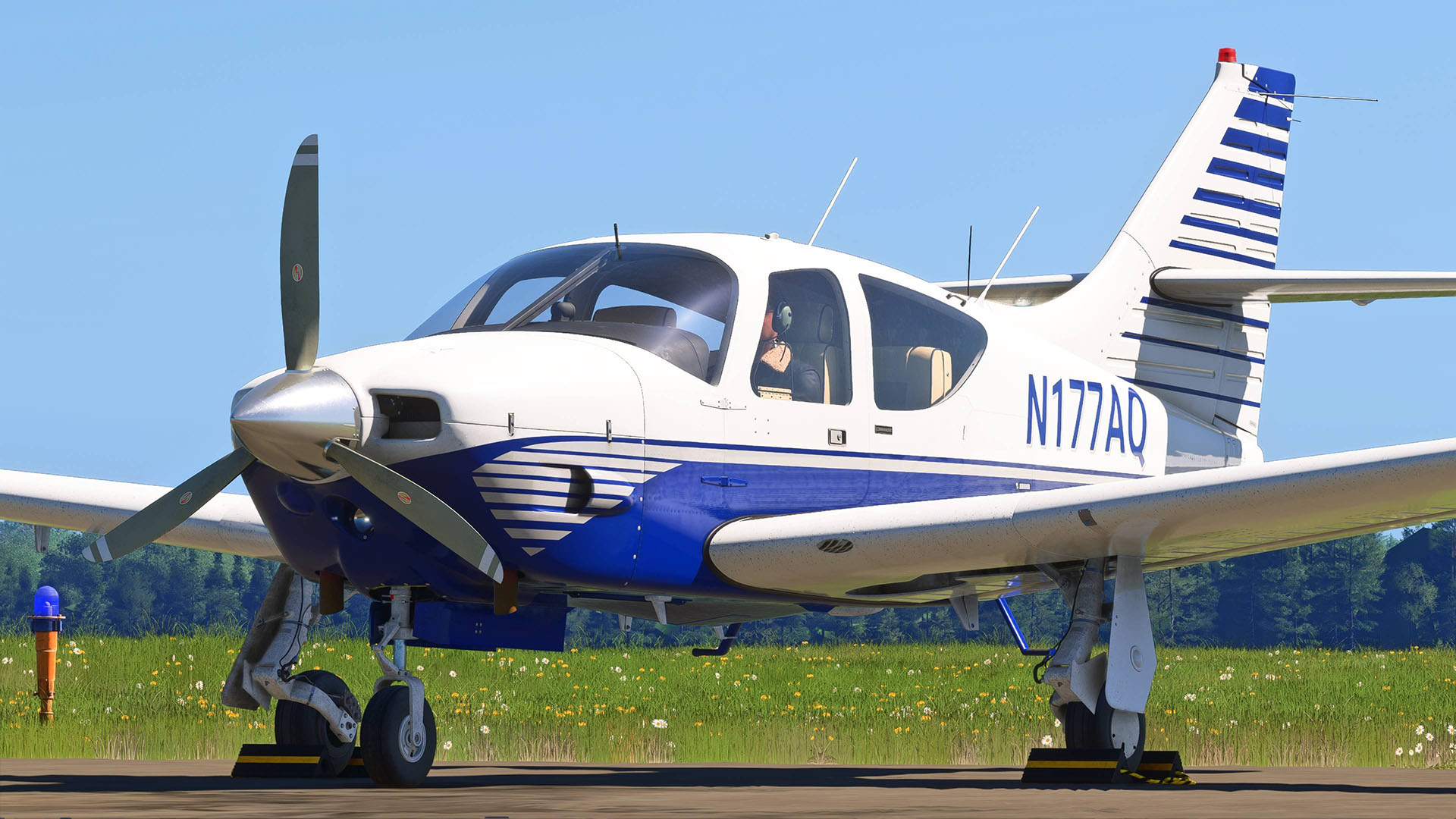


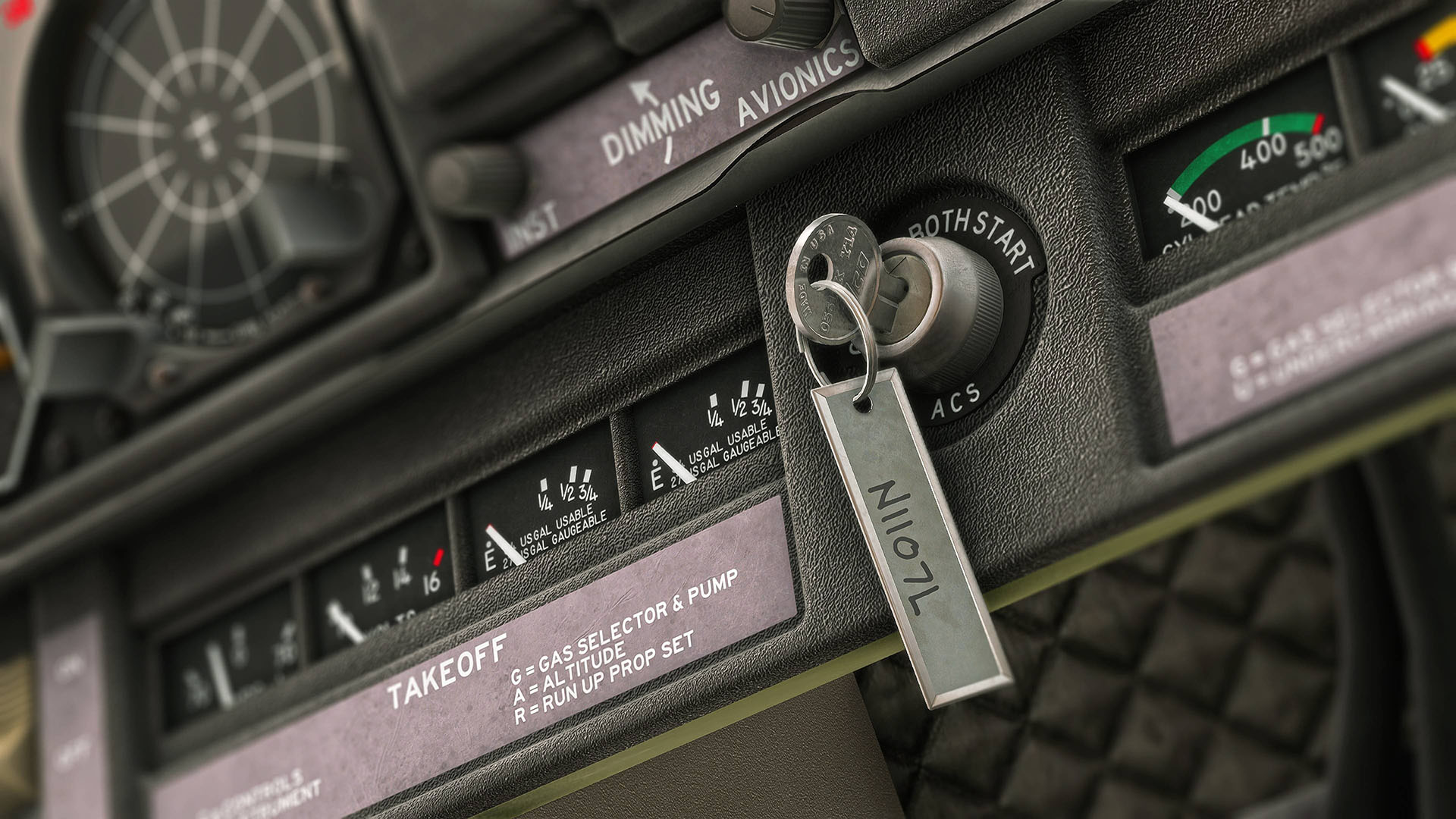

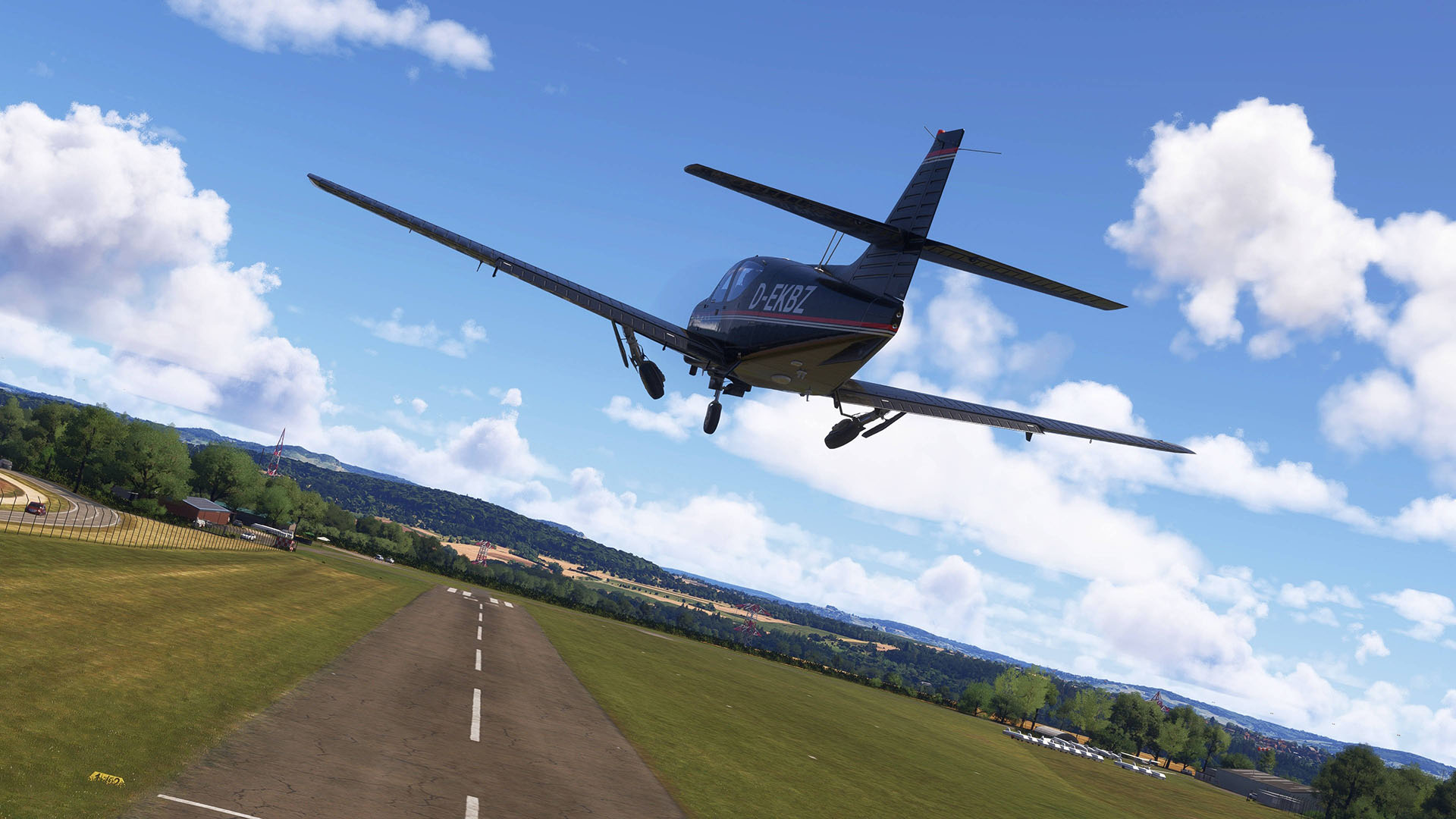
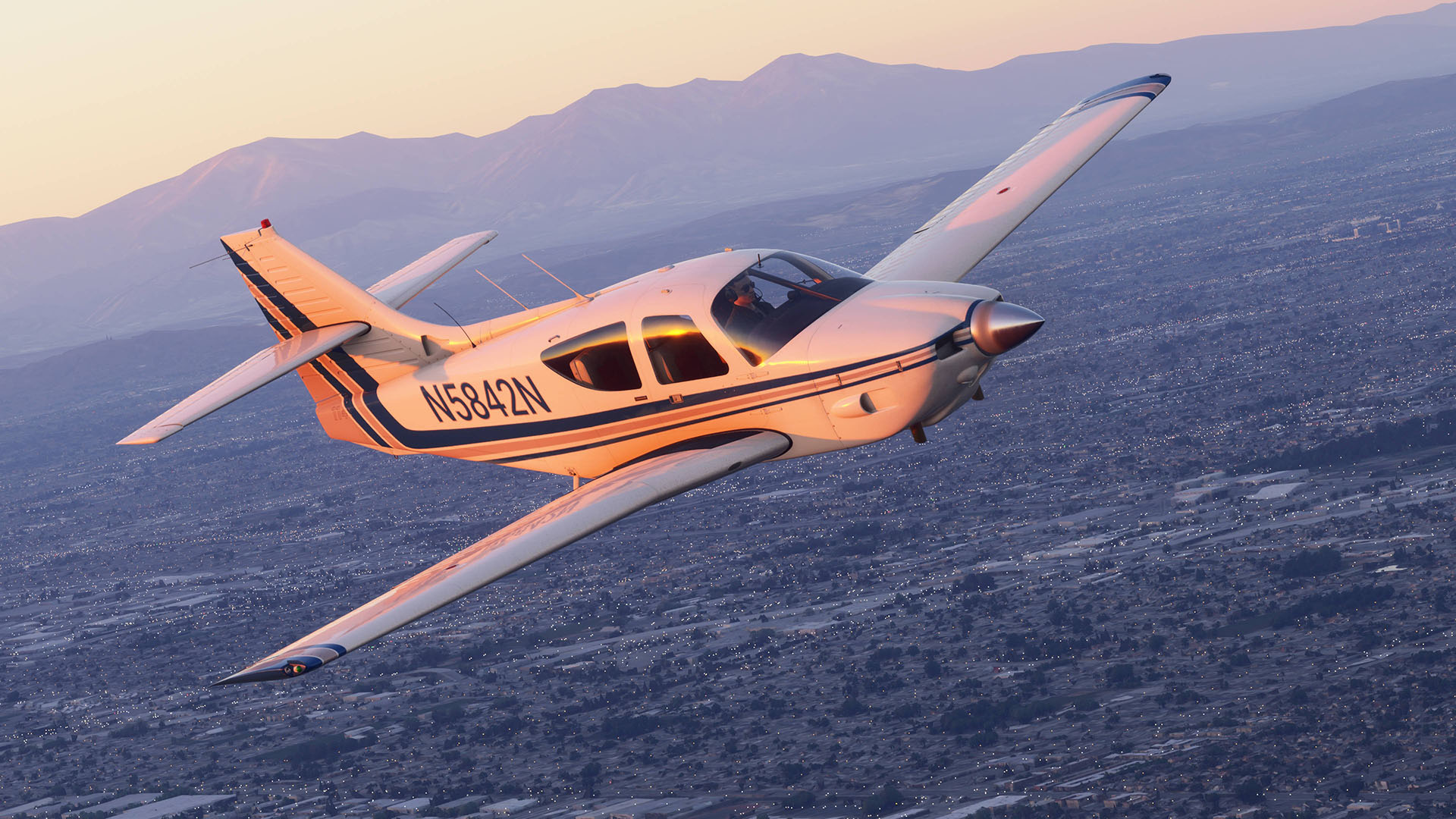
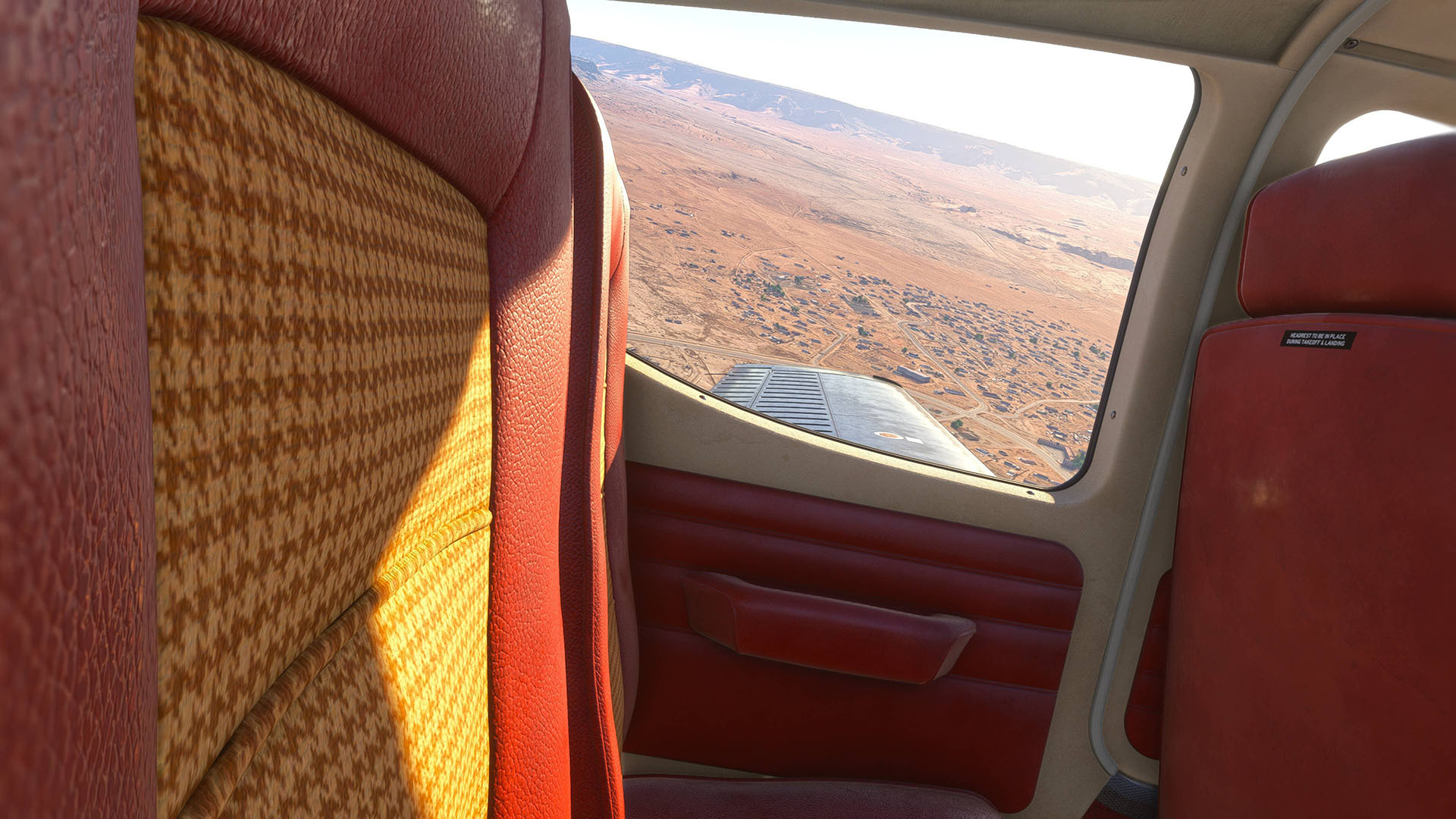

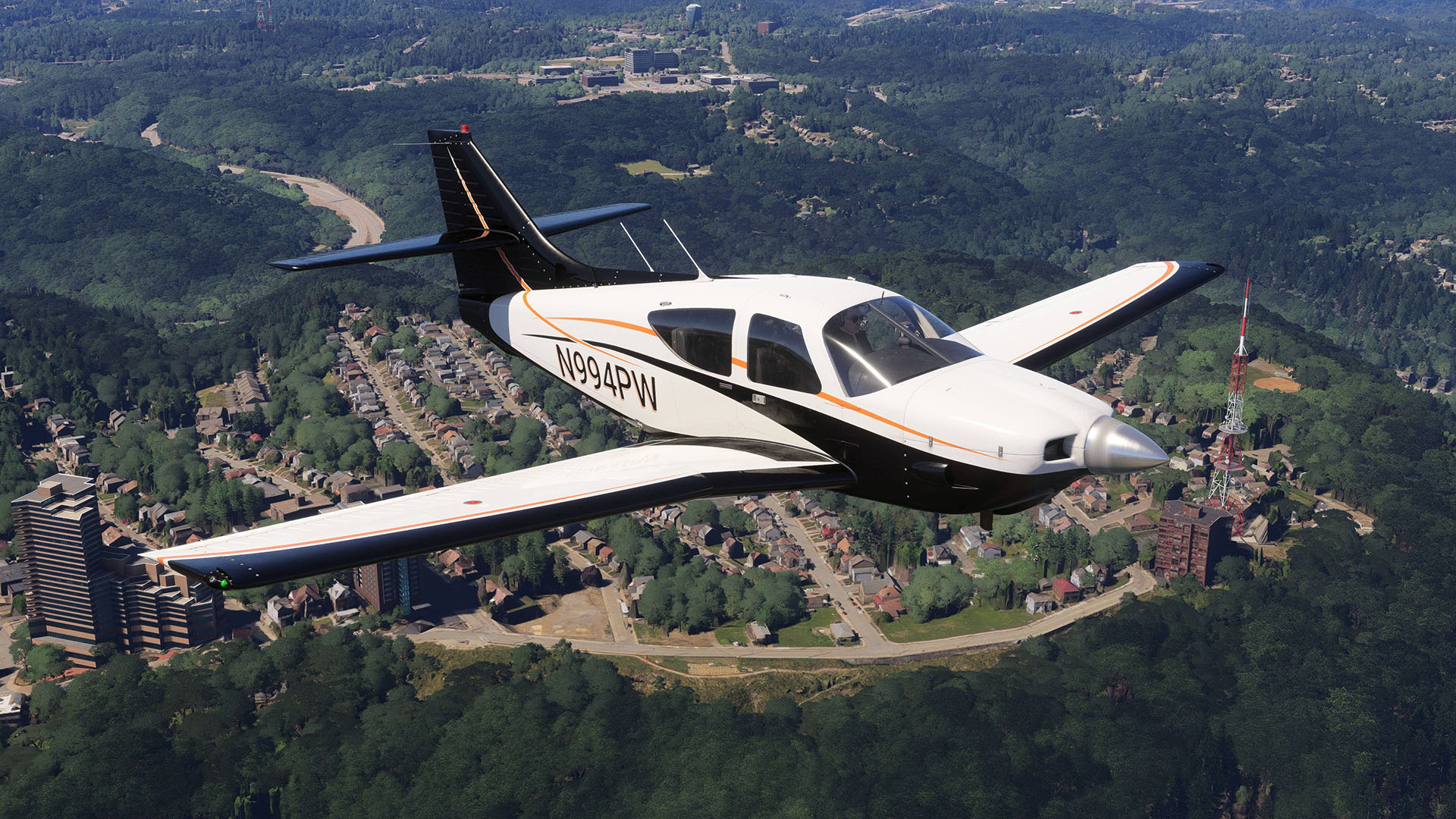
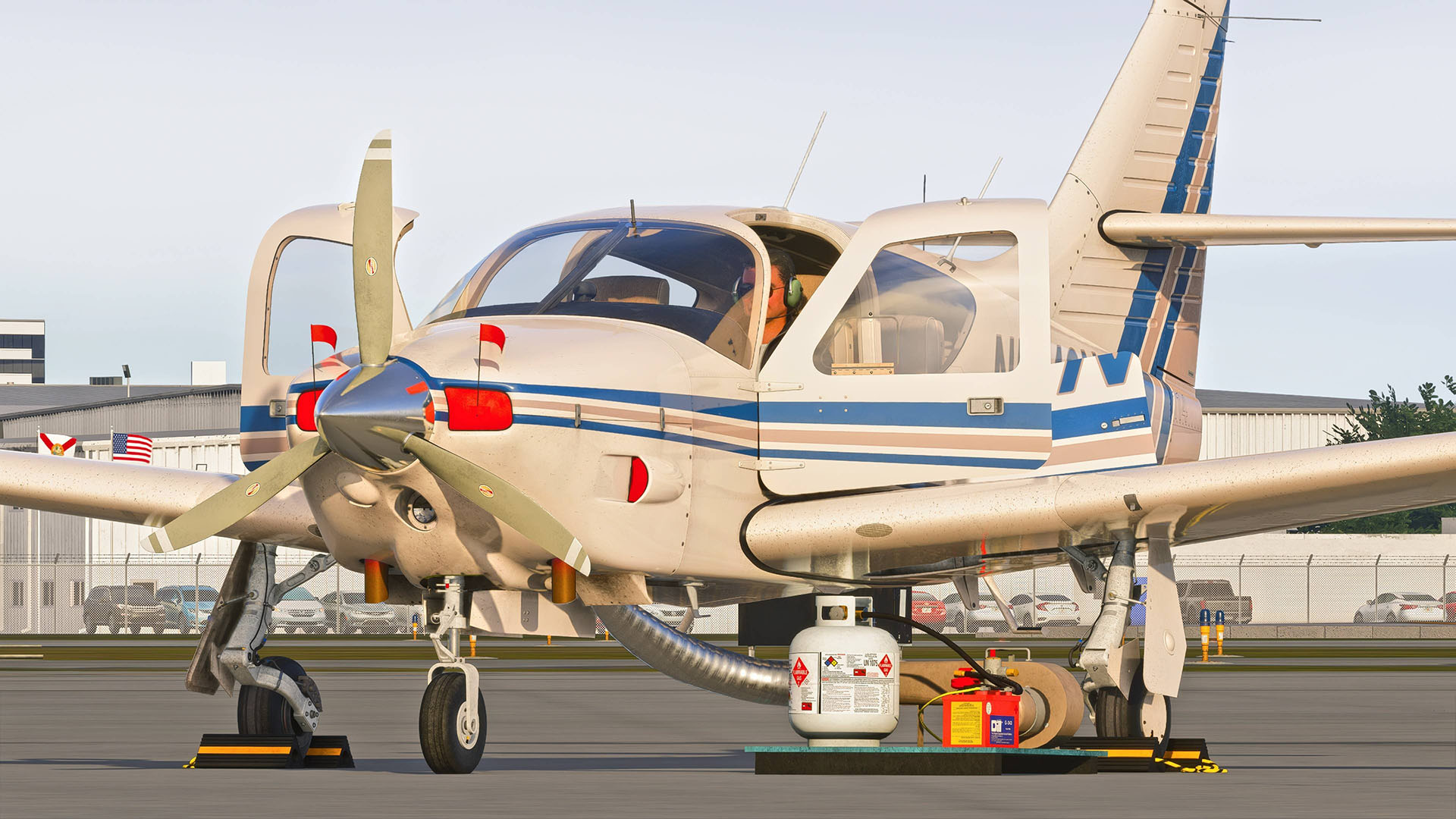
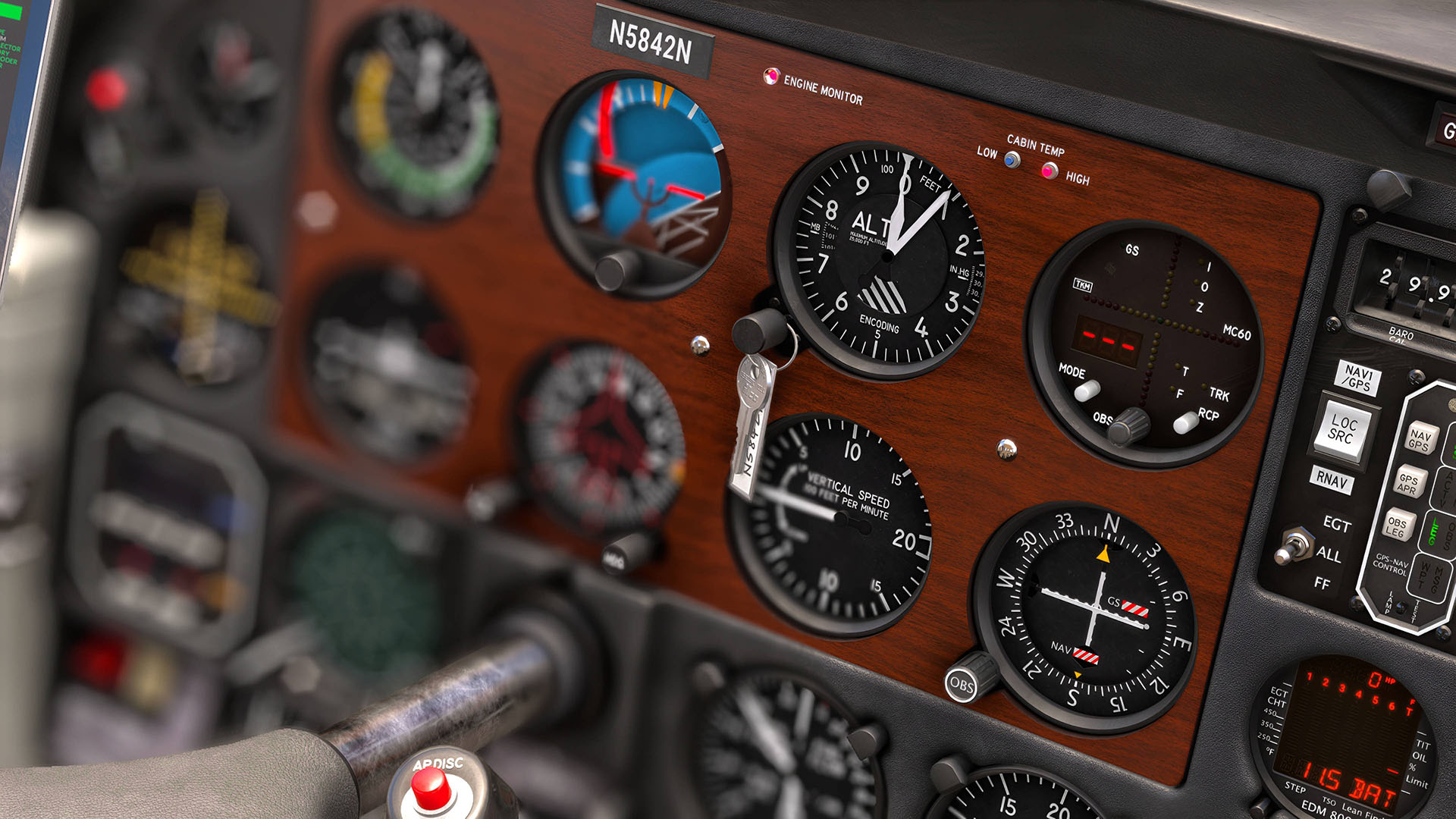
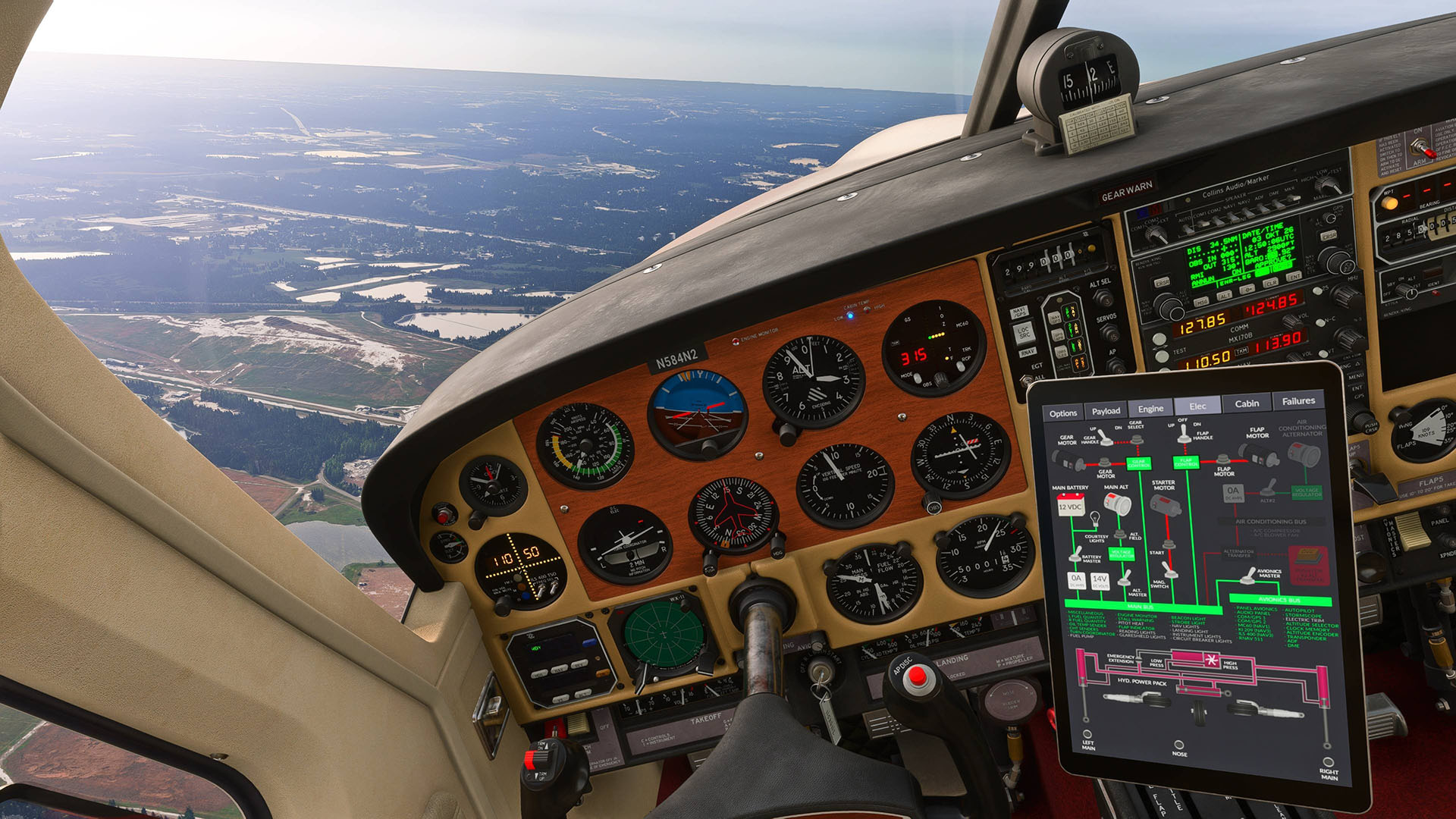
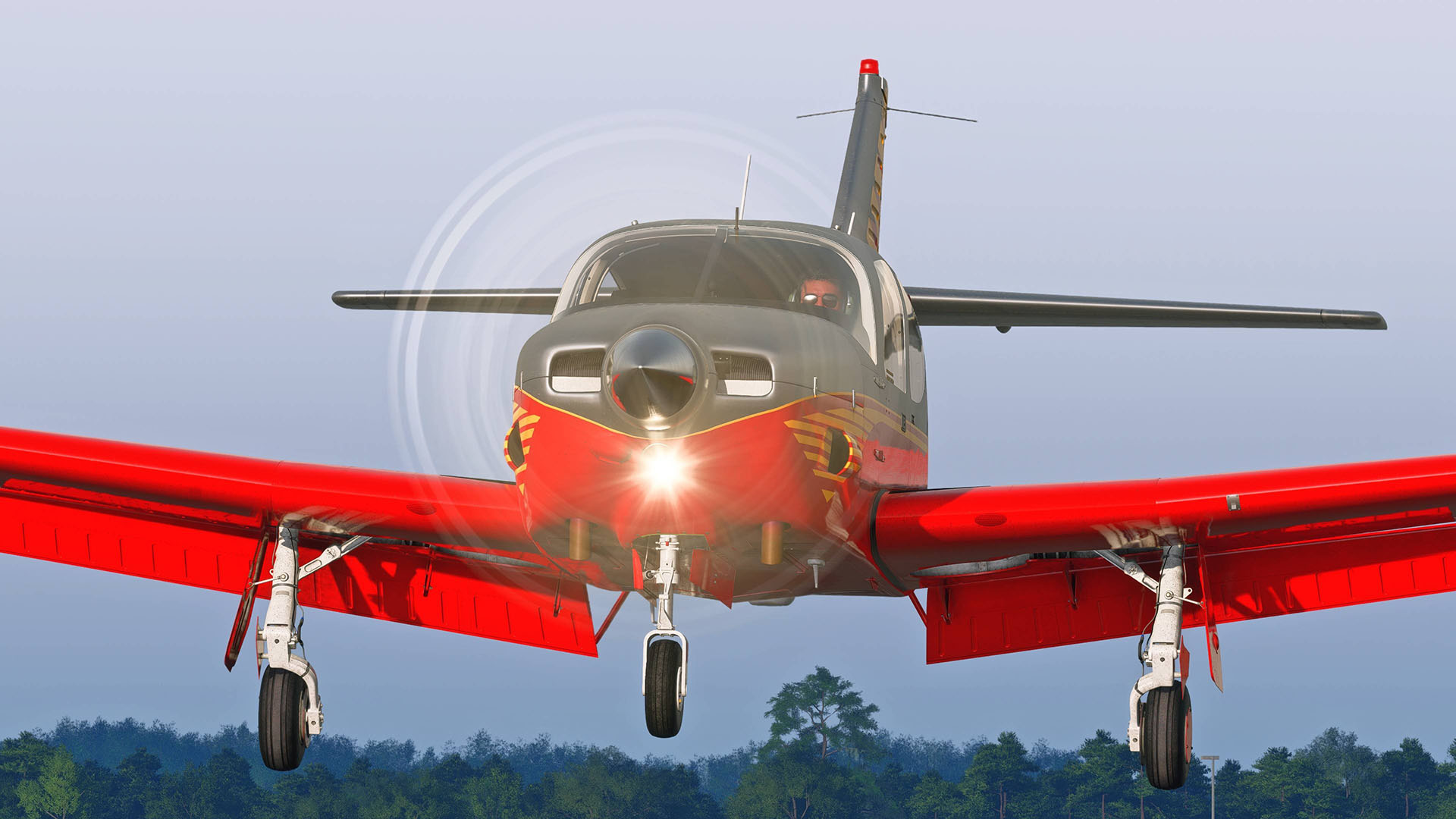


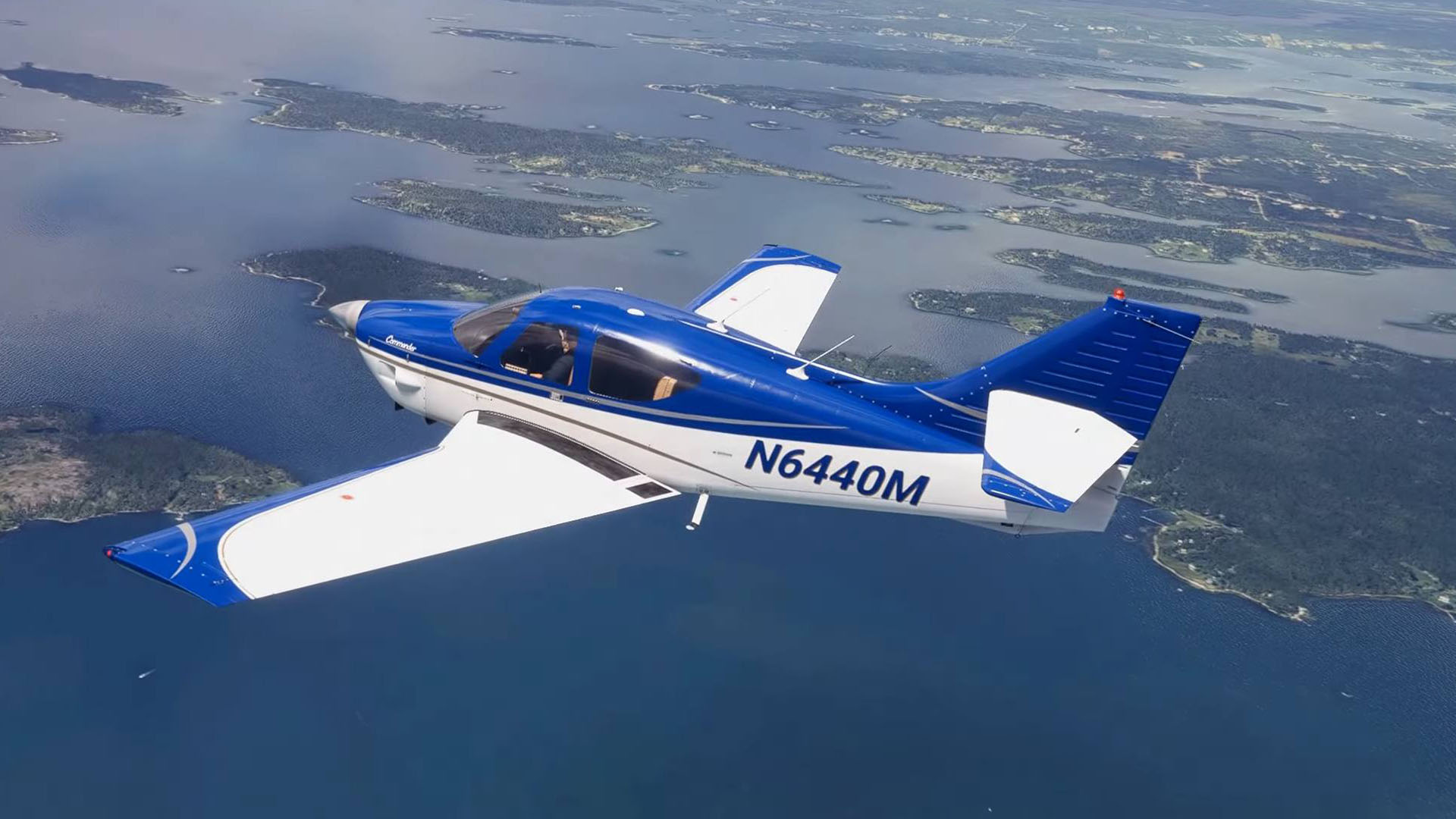
Black Square released its Rockwell Commander 114 for MSFS 2024 and MSFS 2020.
It’s available on Just Flight for $43.99. It includes the following features.
- 150+ page manual with your complete guide to flying Black Square’s Commander 114, including systems guide, tutorials, limitations, performance tables and electrical schematics.
- Two aircraft in one: Normally Aspirated Commander 114, and aftermarket Turbo-normalized 114 with air conditioning and passenger/crew oxygen.
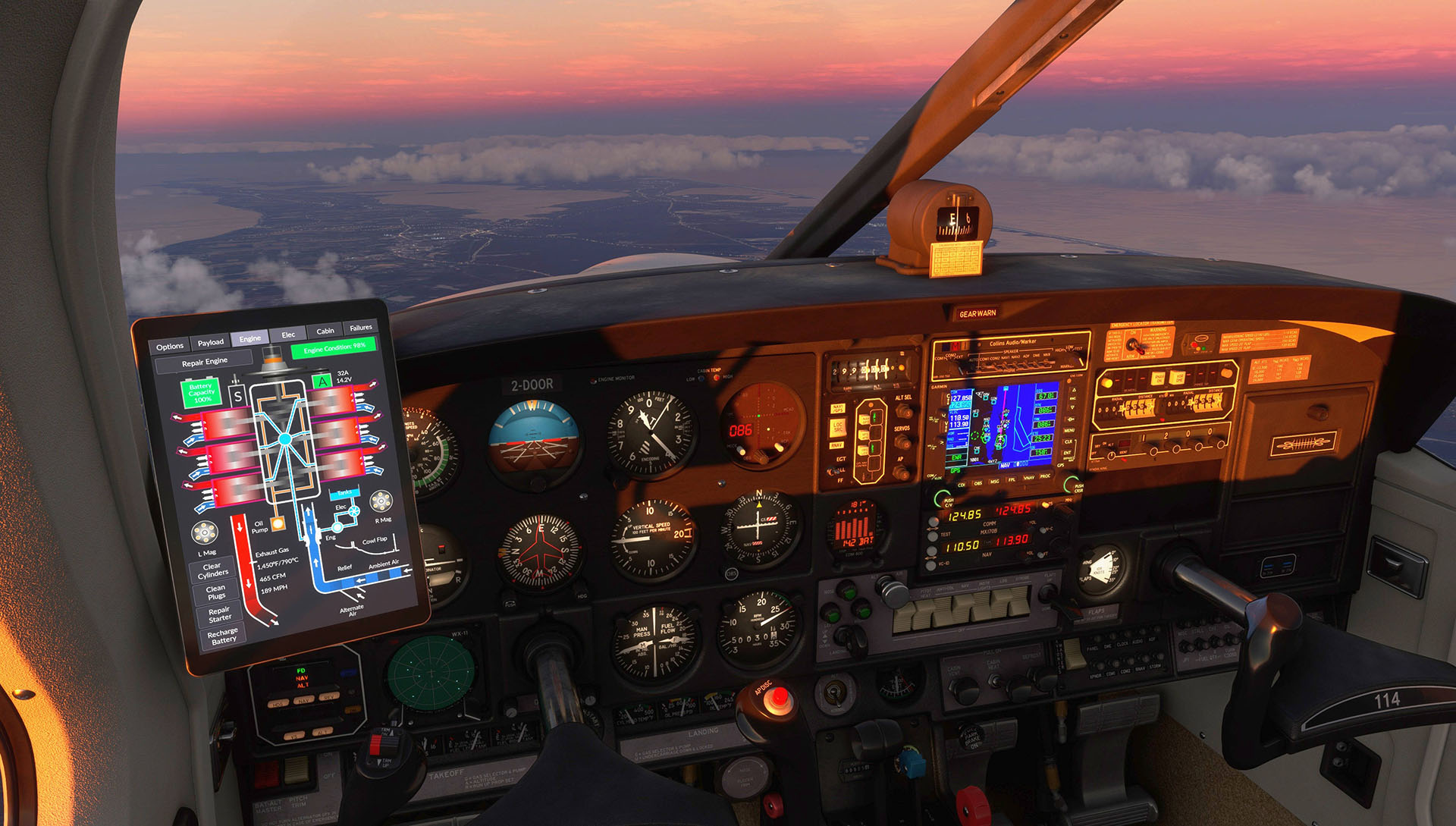
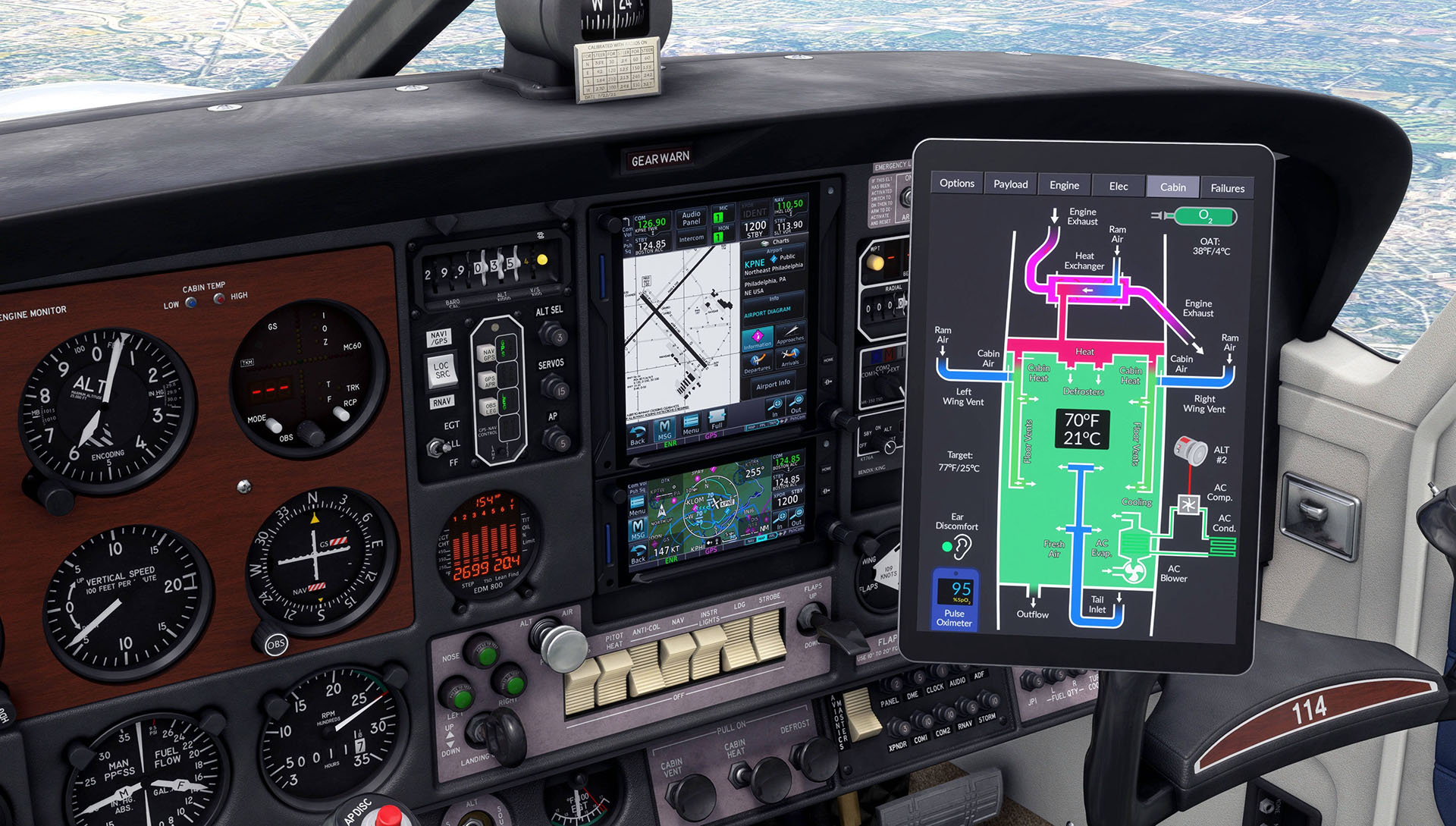
- Tablet Interface for configuring options, payload settings, failure management, and real time visualizers for engines, electrical schematics and environmental systems.
- Physics-based engine simulation with compression, magneto impulse couplings, blade angle, oil temperature and pressure, cylinder head temperatures, and preheating.
- Fuel-injected engine simulation with fouling, vapour lock, flooding and backfires. Even the magneto impulse couplings are simulated and have sound.
- 15 hot-swappable radios, configurable via tablet interface. Includes PMS & TDS & KLN-90B.
- 75+ random, scheduled or performance-triggered failures, settable via the tablet, including engine damage, compatible with third party UIs and instructor stations.
- NEW full state saving, with 210+ parameters. Selectable from only the basics to nearly everything: switches, payload, consumables, avionics, aesthetics, damage, failures, etc.
- Fully simulated environmental control system for heating, air conditioning, ventilation, ram air cooling. Cool things off by opening a door, or watch the aircraft heat up in the sun. Monitor via the new tablet interface.
- The most advanced turbocharger simulation in MSFS. Turbocharger sounds reflect the turbine RPM, and engine performance is dependent on boost.
- NEW – rough running engine sounds and effects for excessively rich/lean mixture, detonation, fouling, cold idle and engine damage.
- NEW – airframe vibration, resonance and engine animations bring the airframe to life.
- NEW – nose gear shimmy encourages holding yoke back-pressure and careful braking.
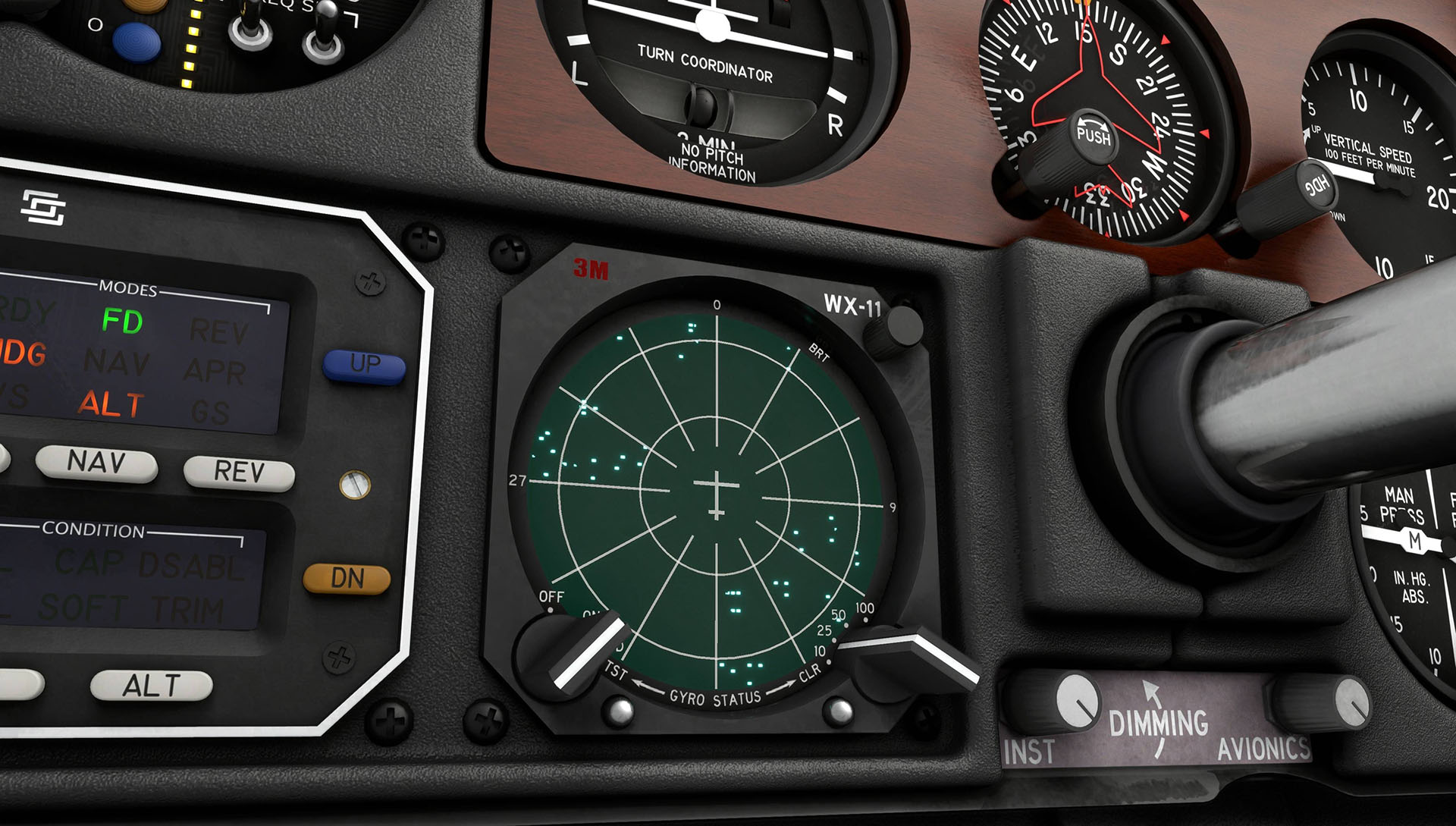
- NEW – MSFS’s first working stormscope with plausible lightning depiction for stormcell avoidance works with default and third party weather injection.
- NEW – Foster RNAV511 navigator supports autopilot with No-GPS configuration.
- Physics-based sound system. Sounds such as engine starting are not mere recordings, but instead are many layered sounds, constructed based on the underlying simulation.
- Engine preheating required for cold starts, with heater.
- Voltage-based light dimming, an immediately recognisable effect to night-time pilots.
- Gyroscope physics simulation for electric and pneumatic gyroscopes with precession and partial failures, based on a coupled quadrature oscillator, with manifold standby system.
- Magnetic compass effects, including fields from onboard circuits.
- Instrument needle stiction and friction. Analogue instruments can become sticky without engines running. Tap the glass to free the needles and get a more accurate reading!
- Strobe light system causes realistic distracting flashes in clouds.
- Functional exterior elements (interactive in MSFS 2024) and control locks: chocks, pitot covers, engine covers and preheater. Pitot flags blow in the wind.
- Mathematically accurate VOR and ADF signal attenuation and noise degradation.
- JPI EDM-800 Engine Monitor with engine-leaning optimisation ‘Lean Find’.
- Completely simulated electrical system, with 55 circuits, thermal breakers and failures.
- Carbon Monoxide leaks are possible, and can be detected with the CO detector.
- Crew/Passenger oxygen depletes according to pressure altitude, passenger occupancy.
- Ultra-custom dynamic registration number system for livery creators.
Jackson Hole Airport Getting Native MSFS 2024 Version

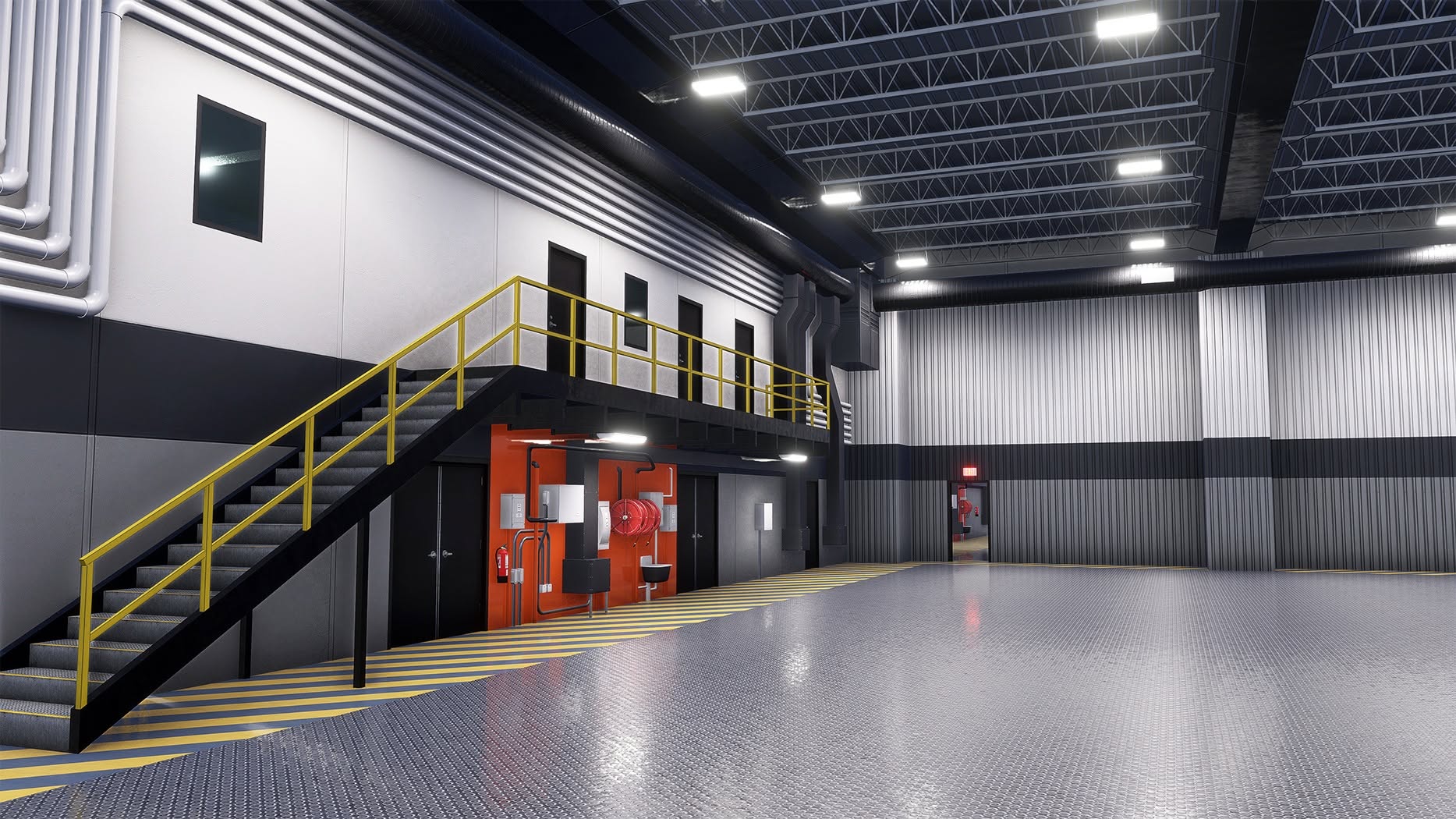
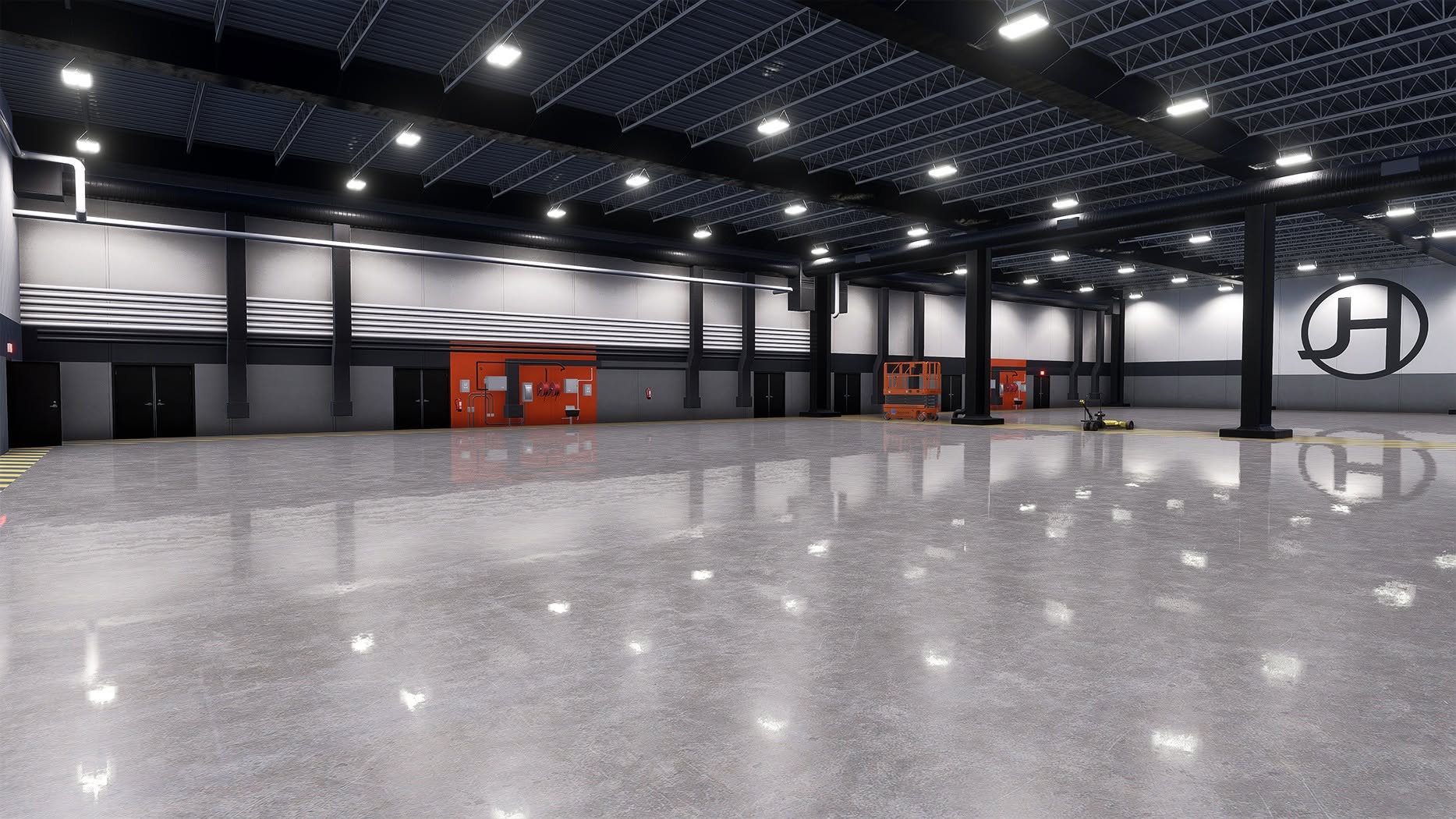

Dreamflight Studios announced that its Jackson Hole Airport (KJAC) in the United States is getting a native MSFS 2024 version.
The developer is taking the chance to improve the airport with a new FBO with a fully modeled interior, a new open hangar, and further improvements across the whole place to take advantage of MSFS 2024’s tech.
A release date will be shared “very soon.”
If you’d like to read more flight simulation news, you can find plenty in our previous roundup article from yesterday.
If you want to go further back, we have a handy overview video of the major flight simulation news in the past week. You can watch it below. As usual, leaving a like and a comment and subscribing to our growing YouTube channel is extremely helpful.
While Simulation Daily is owned and financed by Orbx Simulation Systems, its staff is afforded full editorial independence and will strive to cover products from all companies and developers impartially. Check out our editorial policy